What This Document Is
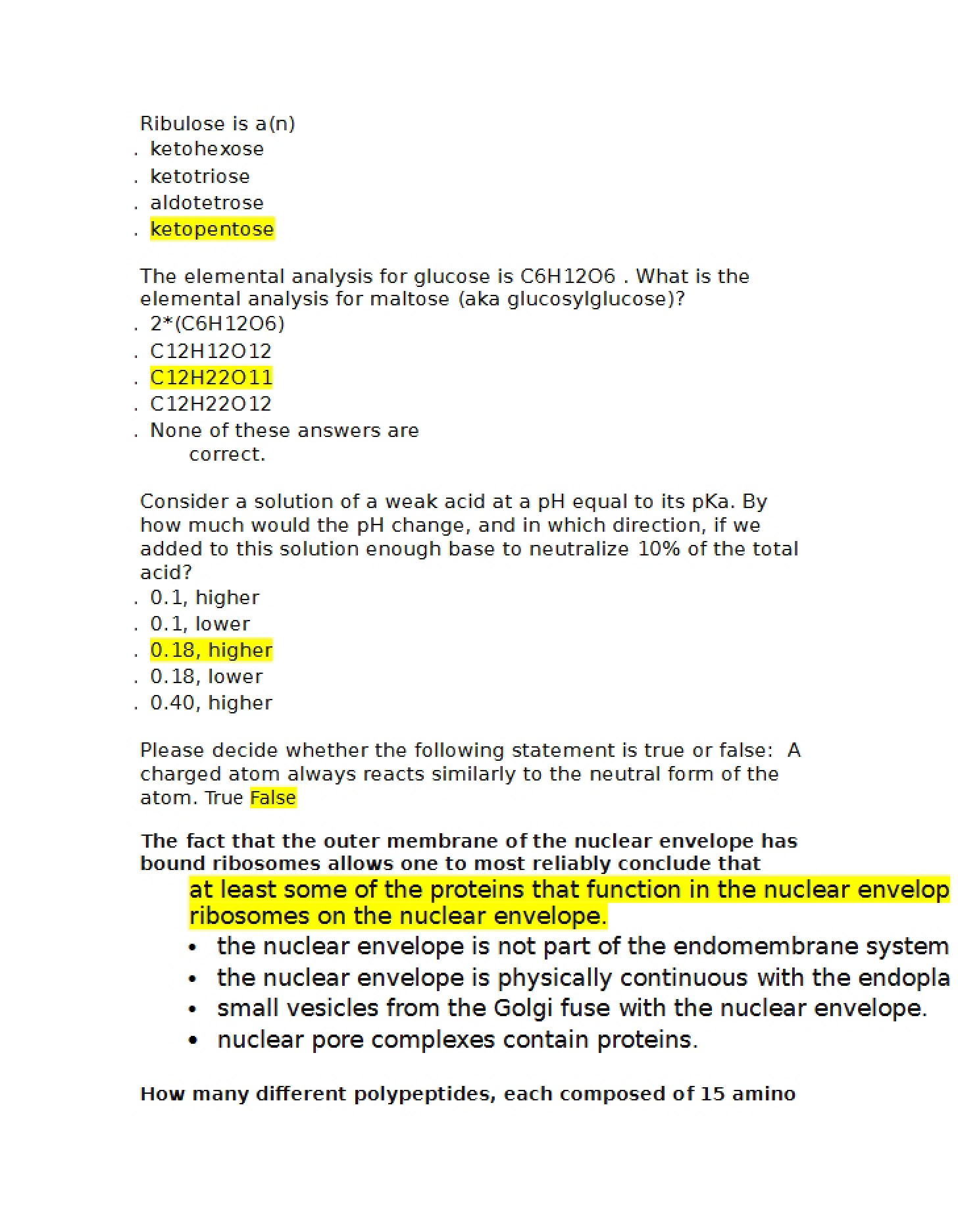
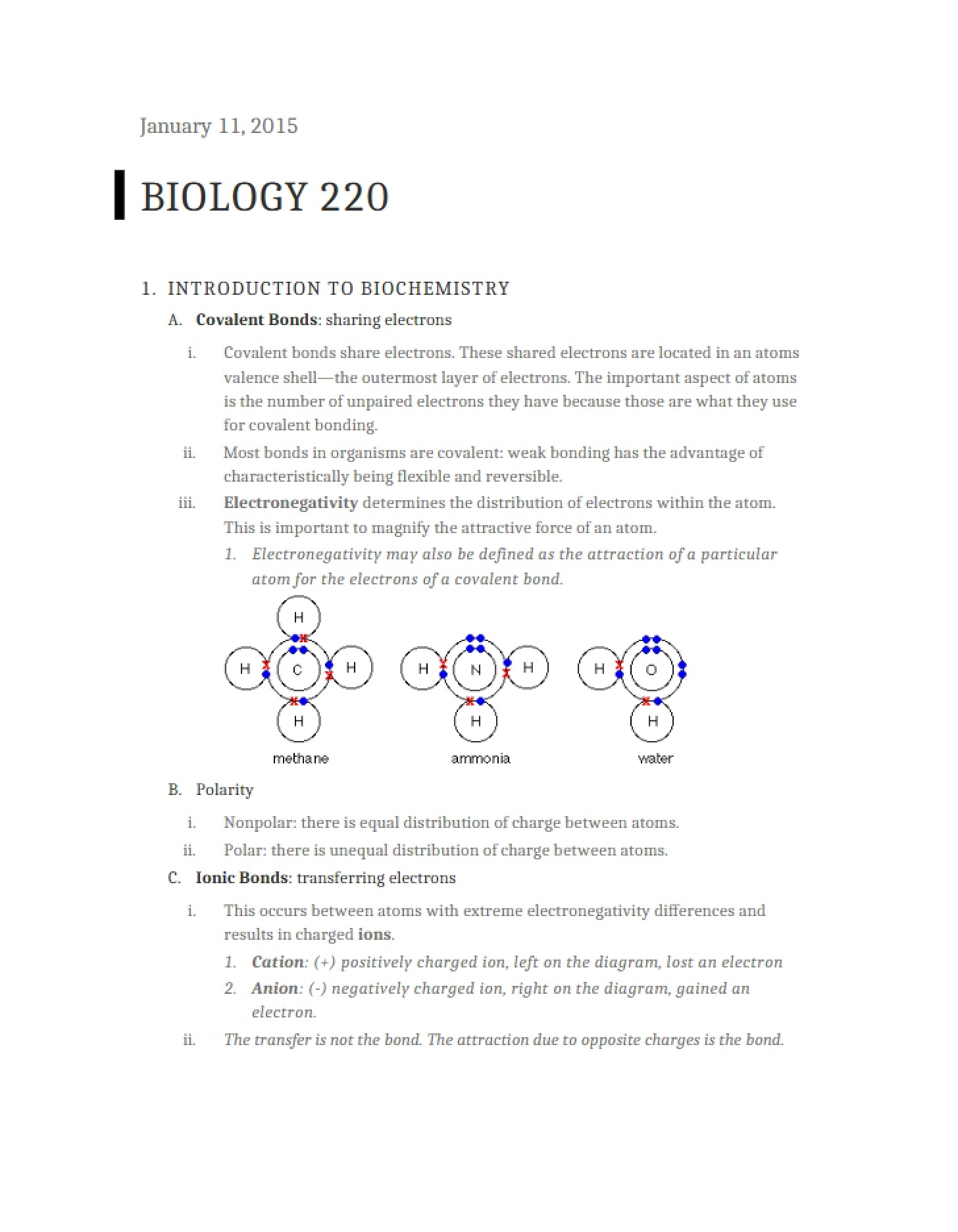
This is a comprehensive worksheet designed to reinforce foundational concepts in General Biology, specifically within the realms of cell biology and physiology. It focuses on the essential building blocks of life and the principles governing their interactions. The worksheet covers key topics from the scientific method to the basics of biological macromolecules – carbohydrates, lipids, and proteins – and delves into the chemical principles underpinning these molecules. It also introduces concepts related to water, pH, and bonding.
Why This Document Matters
This resource is ideal for students enrolled in a General Biology course, particularly those needing to solidify their understanding of core principles early in the semester. It’s especially helpful for students who benefit from active recall and practice applying concepts rather than simply reading notes. Use this worksheet to test your grasp of fundamental definitions, relationships, and the importance of these concepts as you begin to explore more complex biological systems. It’s a valuable tool for self-assessment and identifying areas where further study is needed.
Common Limitations or Challenges
This worksheet is designed to *test* your knowledge, not to *teach* it. It assumes you have already been introduced to the core concepts in lecture or through assigned readings. It does not provide detailed explanations of the underlying principles, nor does it offer step-by-step solutions to any presented challenges. It’s a tool for self-evaluation, and will be most effective when used *after* engaging with the primary course materials.
What This Document Provides
* Exploration of the scientific method and its application to biological inquiry.
* Review of fundamental chemistry concepts relevant to biology, including valence, ions, and isotopes.
* Investigation of isomeric forms and their impact on molecular properties.
* Analysis of different types of chemical bonds and their roles in biological molecules.
* Examination of the unique properties of water and the pH scale.
* Overview of the structure and function of carbohydrates, lipids, and proteins.
* Opportunities to categorize and differentiate between various types of biological molecules.