What This Document Is
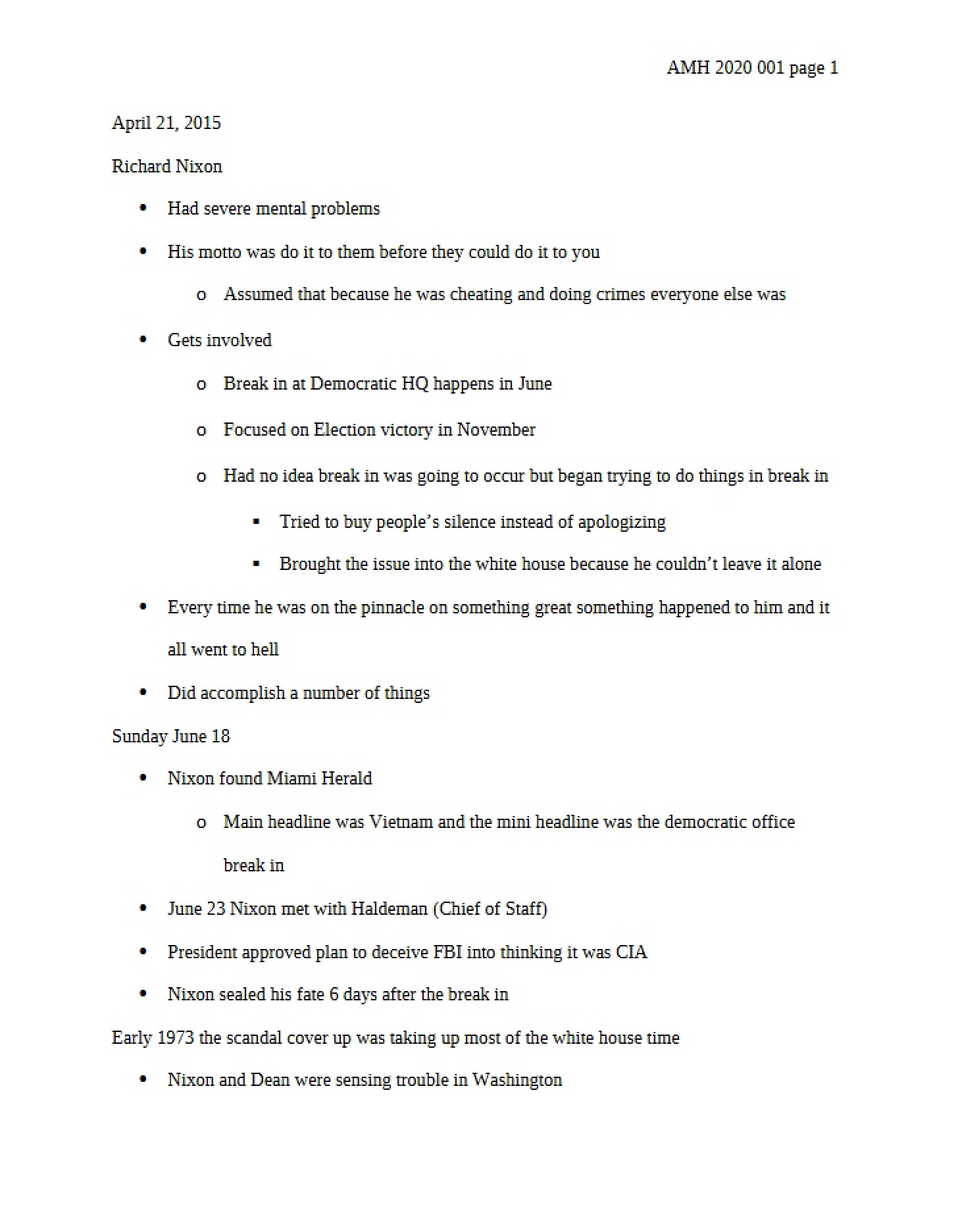
This study guide provides a focused overview of U.S. foreign policy during the pivotal presidency of Richard Nixon, within the broader context of the AMH 2020 (U.S. History 1877-Present) course at the University of Central Florida. It’s designed to help students understand the complexities of American international relations during a period marked by significant global shifts and domestic challenges. This resource delves into the strategies and decisions made by the Nixon administration as they navigated a changing world order.
Why This Document Matters
Students enrolled in AMH 2020 will find this guide particularly useful when preparing for assessments, reviewing lecture material, or seeking a deeper understanding of the forces shaping American foreign policy in the early 1970s. It’s ideal for those looking to connect domestic political events with international actions and to analyze the long-term consequences of key policy choices. This resource is best utilized *after* initial engagement with course readings and lectures to solidify comprehension.
Topics Covered
* The evolving strategies surrounding the Vietnam War and the concept of “Vietnamization.”
* The Nixon Doctrine and its implications for U.S. involvement in international conflicts.
* Landmark diplomatic initiatives with China and the Soviet Union.
* Key arms control agreements and their impact on Cold War tensions.
* The geopolitical ramifications of the Yom Kippur War and the energy crisis.
* Domestic political events impacting foreign policy decisions.
* The concluding stages of the Vietnam War and its aftermath.
What This Document Provides
* A chronological overview of major foreign policy events during the Nixon presidency.
* Examination of the motivations and rationales behind key policy decisions.
* Contextualization of international events within the broader framework of the Cold War.
* Insight into the interplay between domestic politics and foreign policy.
* A focused look at the significant treaties and agreements negotiated during this period.
* Discussion of the challenges and consequences of the oil embargo.