What This Document Is
This is a focused exploration of Fourier Optics, a core component of the Physical Optics (PHYS 313) course at the University of Delaware. It delves into the mathematical foundations and practical applications of Fourier analysis within the realm of optical systems. The material builds upon fundamental wave principles and extends them into the frequency domain, offering a powerful toolkit for understanding and manipulating light. It appears to be lecture notes, potentially supplemented with discussion points from student presentations.
Why This Document Matters
This resource is invaluable for students seeking a deeper understanding of how light behaves as a wave and how its properties can be analyzed and controlled. It’s particularly helpful for those preparing for advanced studies or research in optics, photonics, or related fields. Students tackling assignments involving wave propagation, diffraction, or spectral analysis will find this a useful reference. It’s best utilized *alongside* course lectures and problem sets to reinforce key concepts.
Topics Covered
* Fourier Series and their relationship to spatial frequencies
* The Fourier Transform and its inverse – a mathematical framework for analyzing wave phenomena
* Spatial harmonics and their amplitudes
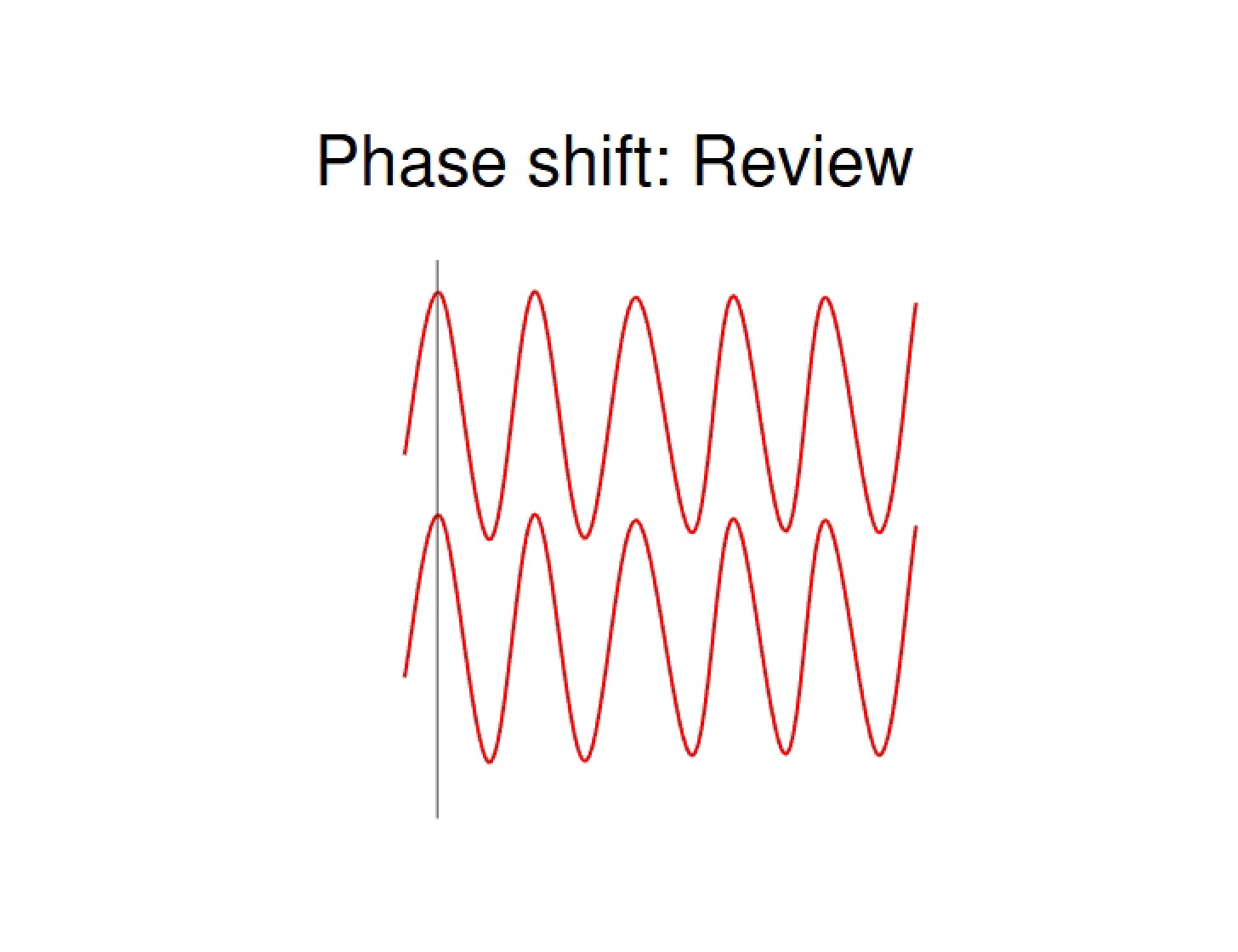
* Understanding the concept of spectral phase and its impact on wave propagation
* The connection between the far-field image and the spatial Fourier transform
* Applications of Fourier optics in areas like gratings and spectrometers
* Pulse shaping techniques and modulation methods (AM/FM radio as analogies)
* Spectral interferometry and methods for measuring both phase and amplitude
What This Document Provides
* A theoretical foundation for understanding Fourier analysis in optics.
* Visual representations illustrating the relationship between spatial and frequency domains.
* Discussion of the significance of phase and amplitude modulation.
* An overview of how Fourier optics principles are applied in practical optical devices.
* Connections to advanced topics like 3D gratings and X-ray diffraction.
* Brief notes on student presentations covering topics like optical cloaking and gravitational lensing.