What This Document Is
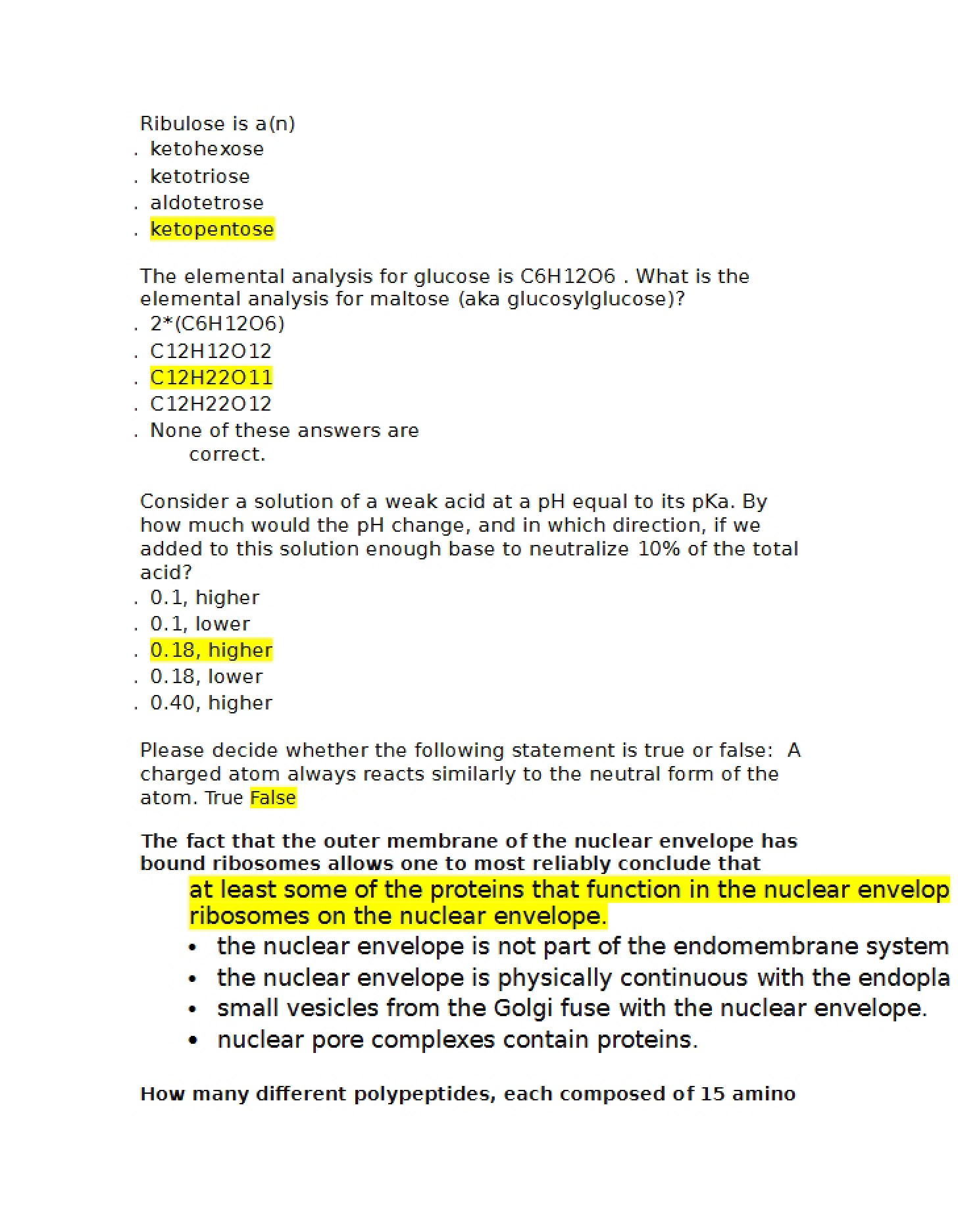
This document is a sample examination for BISC 220, General Biology: Cell Biology and Physiology, offered at the University of Southern California. It’s designed to assess your understanding of key concepts related to animal physiology, with a strong focus on renal (kidney) function, hormonal regulation, and fluid balance. The exam covers material typically found in upper-division biology coursework, requiring a solid grasp of physiological processes at the cellular and systemic levels.
Why This Document Matters
This sample exam is an invaluable resource for students preparing for assessed coursework in BISC 220. It’s particularly useful for identifying knowledge gaps and familiarizing yourself with the style and scope of questions asked by the instructor, Professor Albert Herrera. Utilizing this resource during your study process can help refine your test-taking strategies and build confidence before a high-stakes evaluation. It’s best used *after* you’ve engaged with the core course materials – lectures, readings, and assignments – to gauge your overall preparedness.
Common Limitations or Challenges
Please be aware that this is a *sample* exam and does not represent the entirety of the course content. It is intended to be representative, but the actual exam may cover different specific details or emphasize certain topics more heavily. Crucially, this document does *not* include answers or explanations. It’s a tool for self-assessment, requiring you to apply your existing knowledge to arrive at solutions. Access to the full document with detailed solutions is required for effective learning.
What This Document Provides
* A series of multiple-choice questions testing comprehension of physiological principles.
* True/False questions designed to assess understanding of core concepts and their relationships.
* Questions relating to the structure and function of the nephron and its role in maintaining homeostasis.
* Scenarios involving hormonal regulation of blood pressure, fluid balance, and electrolyte concentrations.
* Questions exploring the physiological effects of various hormones, including cortisol, vasopressin, and aldosterone.
* Questions relating to clinical conditions like diabetes insipidus and edema.