What This Document Is
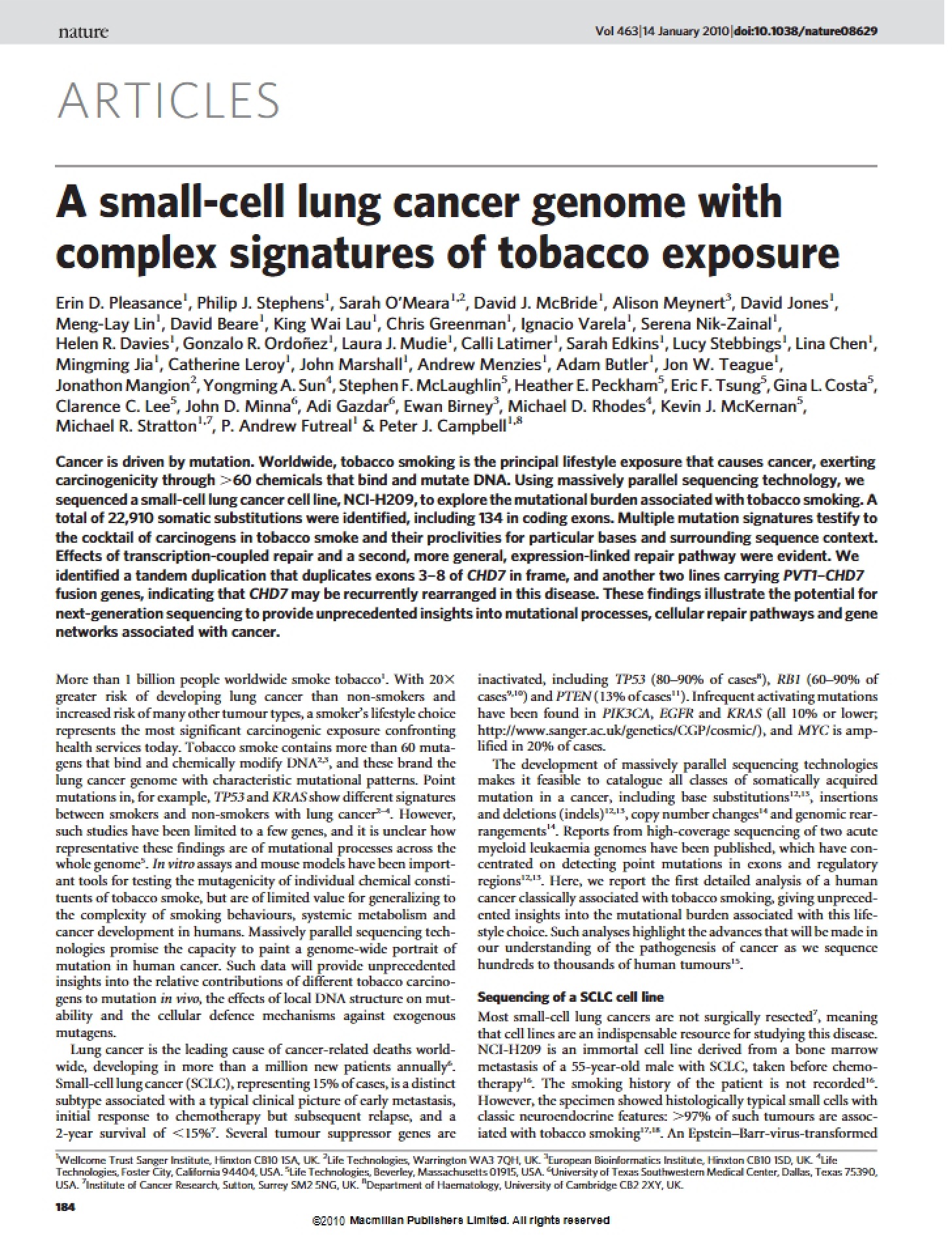
This document is a detailed exploration of a research article focused on applying functional genomics techniques to understand cancer proliferation. Specifically, it delves into a study investigating gene discovery related to how cancer cells multiply and spread. The core of the material originates from a publication in *Science* magazine and provides a deep dive into the methodologies and potential implications of the research. It’s geared towards advanced undergraduate and graduate students in biology, particularly those specializing in genomics or oncology.
Why This Document Matters
Students enrolled in Functional Genomics, or related courses like Cancer Biology, will find this resource particularly valuable. It serves as an excellent case study for understanding how genome-wide screening technologies can be used to identify potential therapeutic targets in cancer. It’s ideal for supplementing lectures, preparing for in-depth discussions, and building a stronger understanding of current research trends in the field. Researchers exploring novel cancer therapies or gene function will also benefit from the insights presented.
Common Limitations or Challenges
This resource focuses on a specific research study and does not provide a comprehensive overview of all functional genomics techniques. It assumes a foundational understanding of molecular biology, genetics, and RNA interference. While it explains the *approach* taken in the study, it does not offer a step-by-step guide to replicating the experiments. Furthermore, it’s important to remember this is a focused analysis of a single study; broader conclusions about cancer biology require consideration of multiple lines of evidence.
What This Document Provides
* An in-depth analysis of a published research article applying functional genomics to cancer.
* Contextualization of the study within the broader field of cancer research.
* Discussion of the methodologies employed in the research, including genome-wide screening techniques.
* Examination of the potential implications of the findings for future cancer therapies.
* References to related research and resources for further exploration.