What This Document Is
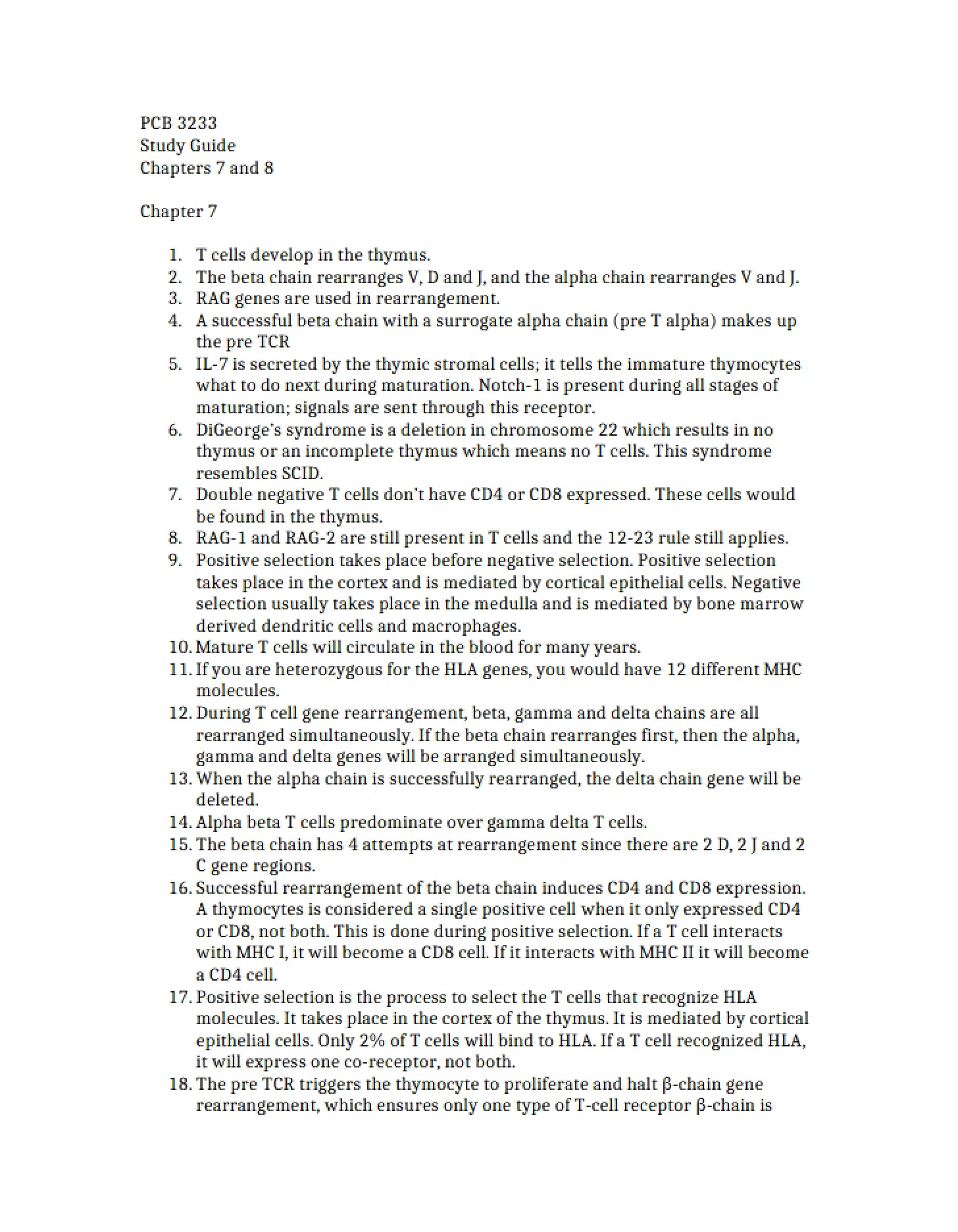
This study guide provides a focused overview of the diverse world of cells involved in immunological processes. Specifically, it details the functions and characteristics of various cell types critical to both innate and adaptive immune responses. It’s designed for students seeking a deeper understanding of the cellular components that orchestrate the body’s defense mechanisms. This resource delves into the roles these cells play in identifying, responding to, and remembering threats.
Why This Document Matters
This guide is an invaluable resource for students enrolled in immunology courses, particularly those at the undergraduate level. It’s especially helpful when studying the intricacies of the immune system and preparing for assessments. Students who are looking to solidify their understanding of cellular interactions within the immune response, or those needing a concentrated review of key cell functions, will find this guide particularly beneficial. It serves as a strong foundation for more advanced study in related fields.
Topics Covered
* Natural Killer (NK) Cells: Receptors and mechanisms of action.
* Monocyte/Macrophage Differentiation: Stages and functional changes.
* Antigen Presentation: The role of various cells in initiating immune responses.
* Granulocytes: Characteristics and limited functional overview.
* Specialized Epithelial Cells: Their role in antigen uptake and transport.
* Cellular Interactions: How different cell types communicate and cooperate.
* Key Cellular Markers: Identifying characteristics of different immune cells.
What This Document Provides
* Detailed descriptions of cellular origins and maturation pathways.
* An exploration of the functional capabilities of different immune cell types.
* Insights into the molecular mechanisms underlying cell-mediated immunity.
* A comparative analysis of cell characteristics and roles within the immune system.
* A focused look at how cells contribute to both innate and adaptive immune responses.