What This Document Is
This study guide provides a foundational overview of the diverse roles and responsibilities of Earth scientists. It explores the broad scope of the field, moving beyond common perceptions to illustrate the complex challenges these professionals tackle. The material is designed for students in introductory Earth science courses seeking a deeper understanding of the planet and its processes. It delves into key concepts related to Earth’s history, structure, and the dynamic forces that shape it.
Why This Document Matters
This resource is ideal for students enrolled in Natural Hazards (EARTHSC 1151) at The Ohio State University, or anyone beginning their exploration of Earth science. It’s particularly helpful when you’re looking to grasp the interconnectedness of Earth’s systems and how scientists approach understanding long-term planetary changes. Use this guide to build a strong base for more advanced coursework, prepare for discussions, and solidify your understanding of fundamental geological principles. Accessing the full material will unlock a comprehensive learning experience.
Topics Covered
* The scope of Earth science and the problems Earth scientists address
* A geological timeline and the relative timing of major Earth events
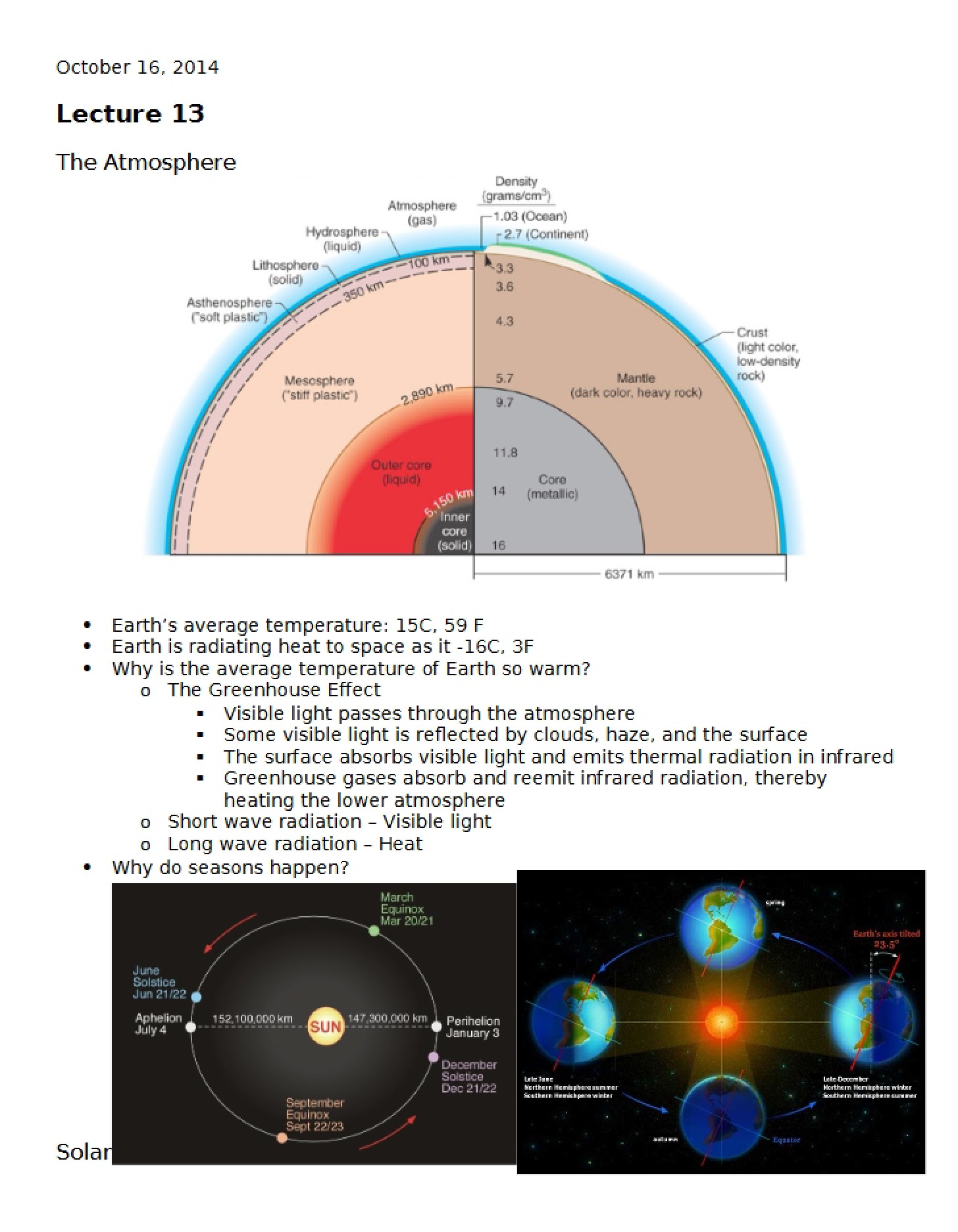
* The layered structure of Earth – crust, mantle, lithosphere, and asthenosphere
* The characteristics and composition of tectonic plates
* The rock cycle and the processes involved in rock formation and transformation
* The relationship between rock age and plate boundaries
* Formation and age of major oceanic features
What This Document Provides
* An exploration of the types of questions Earth scientists seek to answer.
* A framework for understanding the vast timescale of Earth’s history.
* Detailed descriptions of Earth’s internal layers and their properties.
* Key distinctions between geological terms and concepts.
* Insights into the dynamic processes that drive geological change.
* A foundation for understanding plate tectonics and the rock cycle.