What This Document Is
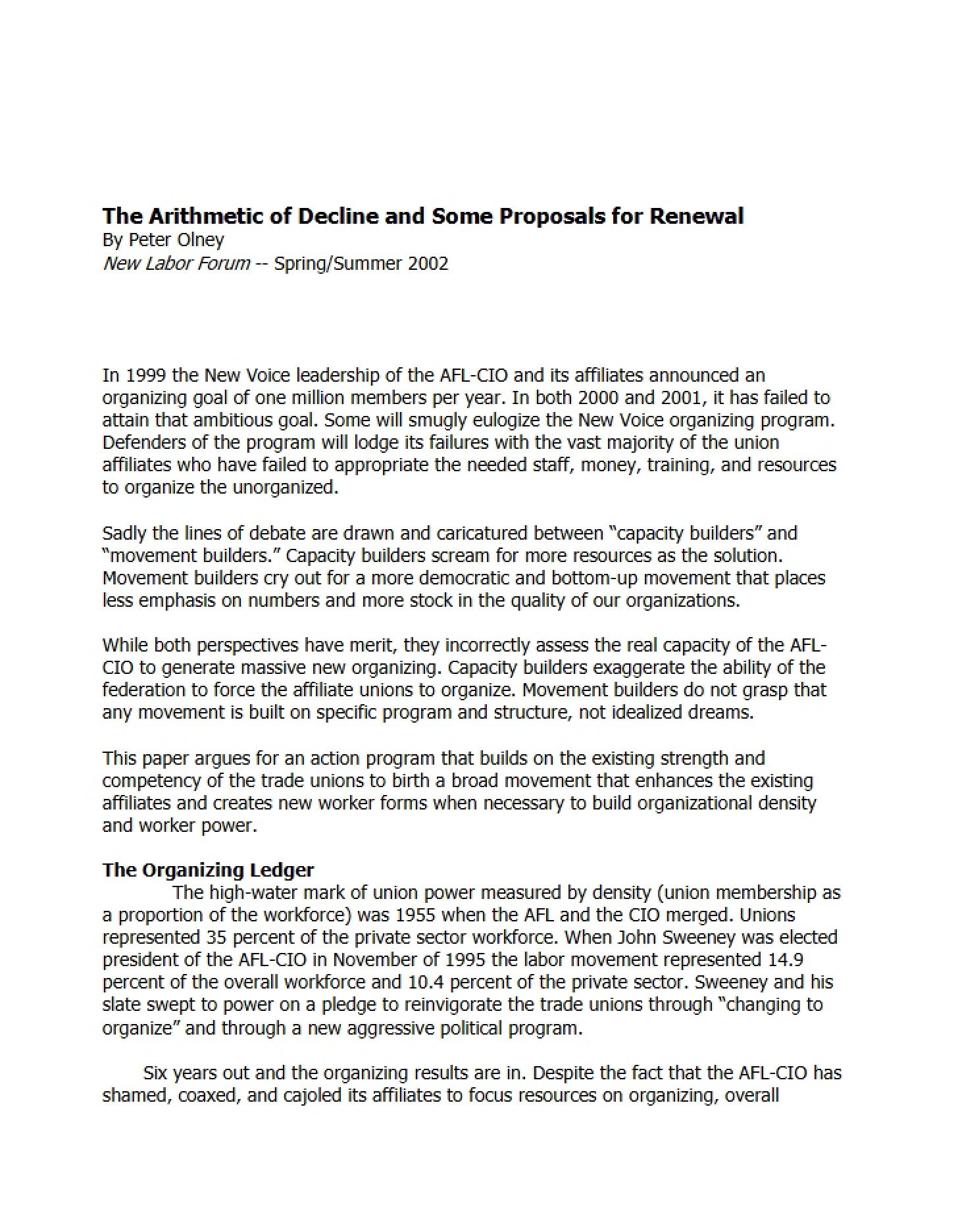
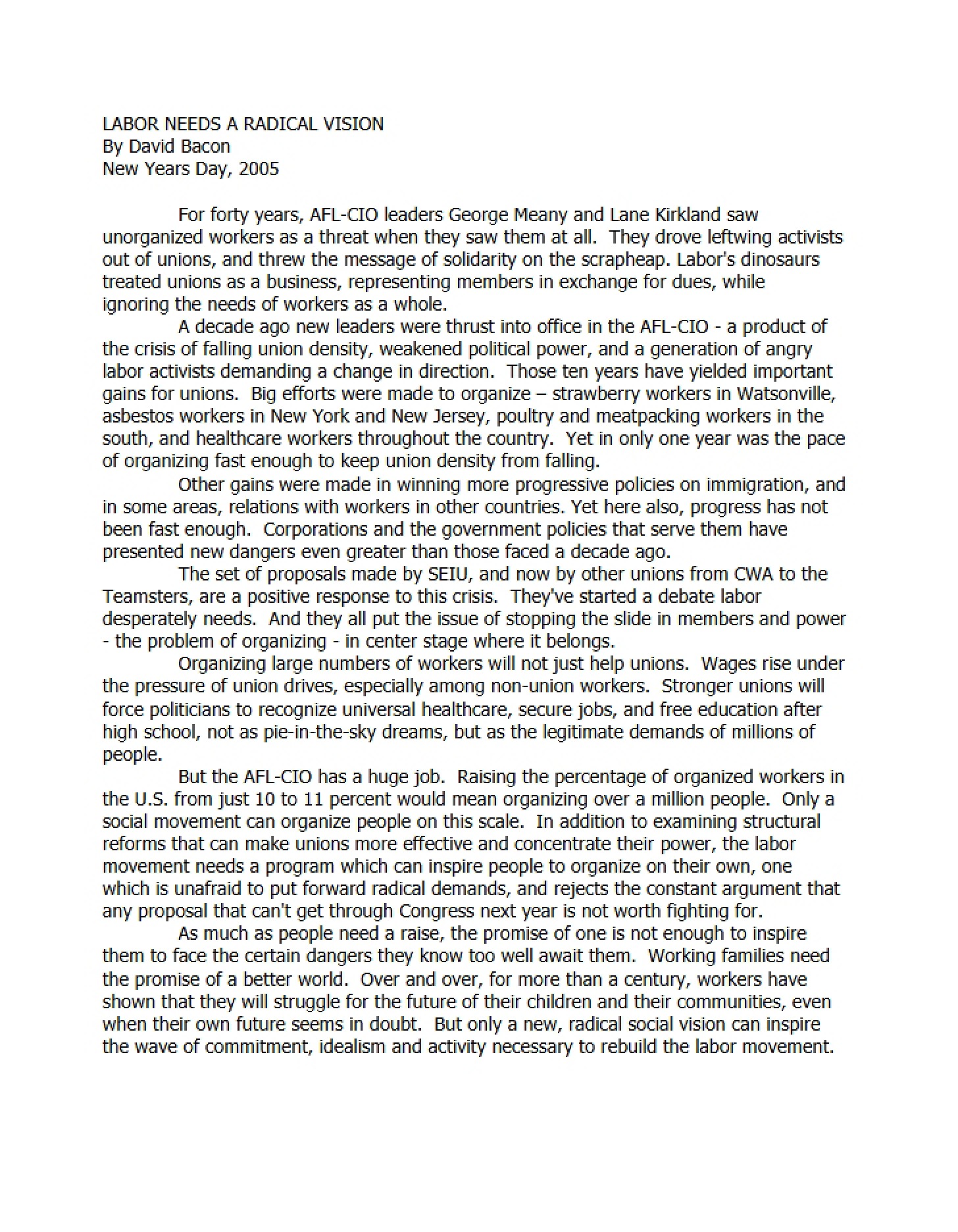
This is a scholarly analysis examining the strategies and internal dynamics within the American labor movement. Specifically, it delves into assessments of organizing efforts, a critical initiative undertaken by unions over the past two decades, and explores a significant attempt at restructuring known as the New Unity Partnership (NUP). The work presents a focused investigation into the challenges faced by unions in maintaining and growing membership, and the responses to those challenges from key players within the AFL-CIO and beyond. It’s a research-based piece published in *WorkingUSA: The Journal of Labor and Society*.
Why This Document Matters
Students and researchers in labor studies, industrial relations, sociology, and political science will find this analysis particularly valuable. It’s ideal for those seeking to understand the complexities of union strategy, the factors contributing to union decline, and the debates surrounding potential organizational reforms. Individuals preparing for advanced coursework or conducting research on the modern labor movement will benefit from the insights presented. It provides historical context and a framework for understanding current labor challenges.
Common Limitations or Challenges
This document offers a focused analysis of a specific period and set of events within the labor movement. It does not provide a comprehensive history of unions, nor does it offer a step-by-step guide to labor organizing. The analysis is rooted in a particular moment in time and may not fully encompass all perspectives or subsequent developments. It is a scholarly article, meaning it assumes a base level of understanding of labor relations terminology and concepts.
What This Document Provides
* An examination of the strategic importance of organizing within the AFL-CIO.
* A detailed overview of the formation and core principles of the New Unity Partnership.
* Analysis of the motivations and perspectives of various unions involved in the NUP, including both progressive and conservative factions.
* Insight into the internal debates and resistance surrounding proposed restructuring of the labor movement.
* Contextualization of the NUP within the broader landscape of union decline and political shifts.