What This Document Is
This document is a first exam preparation resource for Auburn University’s HIST 1020: World History II course. It focuses on the revolutionary origins of the Atlantic world, specifically examining the influence of the Enlightenment on societal shifts and subsequent revolutions. The material appears to be a condensed set of notes or a study outline prepared by the instructor, Professor Gaddis, for an in-class assessment.
Why This Document Matters
This study guide is essential for students enrolled in HIST 1020 who are preparing for their first exam. It highlights key concepts and thinkers central to understanding the intellectual and social climate leading up to major revolutions. It’s most useful when used in conjunction with course lectures, readings, and other assigned materials. The exam likely assesses comprehension of Enlightenment thought and its connection to revolutionary movements.
Common Limitations or Challenges
This document is *not* a comprehensive textbook or a substitute for attending lectures. It provides a focused overview of specific topics likely to be covered on the exam, but it doesn’t offer in-depth analysis or alternative perspectives. Students will still need to engage with the full course materials to achieve a complete understanding. It also doesn’t include practice questions or exam strategies.
What This Document Provides
This preview includes notes on:
* The Enlightenment’s origins in the scientific revolution.
* Key Enlightenment thinkers: John Locke, Voltaire, Denis Diderot, Adam Smith, and Jean-Jacques Rousseau, and their core ideas.
* Concepts like “universal laws” and “population sovereignty.”
* The role of urban growth, coffee houses, newspapers, and pamphlets in spreading Enlightenment ideas.
* The concept of “free trade” as it relates to Enlightenment thought.
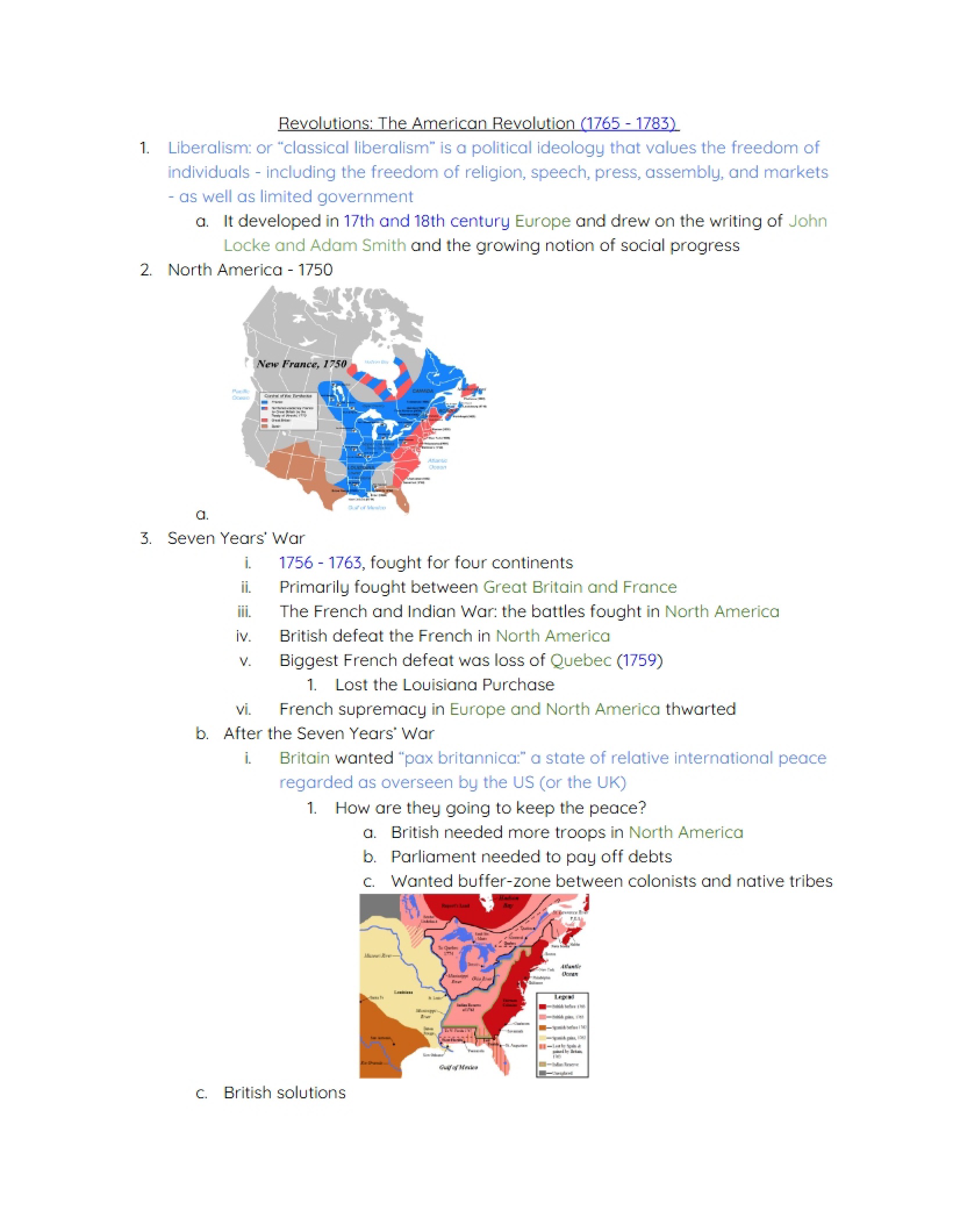
* A brief mention of Britain’s relationship with its colonies.
This preview *does not* include the full exam content, specific exam questions, or detailed explanations of all concepts. It also does not cover all topics that may be on the exam.