What This Document Is
This is a comprehensive study guide summarizing key concepts from Chapter 17 of a Genetics course (BIOL 303) at the University of South Carolina, focusing on the regulation of gene expression in eukaryotic organisms. It delves into the intricate mechanisms controlling when and how genes are activated or deactivated within complex cells. The guide consolidates information presented in the course materials, offering a focused review of this critical topic.
Why This Document Matters
This resource is invaluable for students enrolled in Genetics or related biology courses. It’s particularly helpful when preparing for exams, reviewing complex topics before quizzes, or solidifying understanding after lectures. Students who struggle with the nuances of gene regulation – how cells differentiate, respond to their environment, and maintain proper function – will find this guide especially beneficial. It’s designed to help you build a strong foundation in eukaryotic gene control, a cornerstone of modern biological understanding.
Common Limitations or Challenges
This study guide is a *summary* of the chapter’s material. It does not replace the need to attend lectures, read the textbook, or engage with other course resources. It won’t provide step-by-step experimental procedures or detailed molecular structures. Furthermore, it doesn’t offer practice problems or solutions; it’s focused on conceptual understanding rather than application. Access to the full guide is required to explore the detailed explanations and specific examples presented within.
What This Document Provides
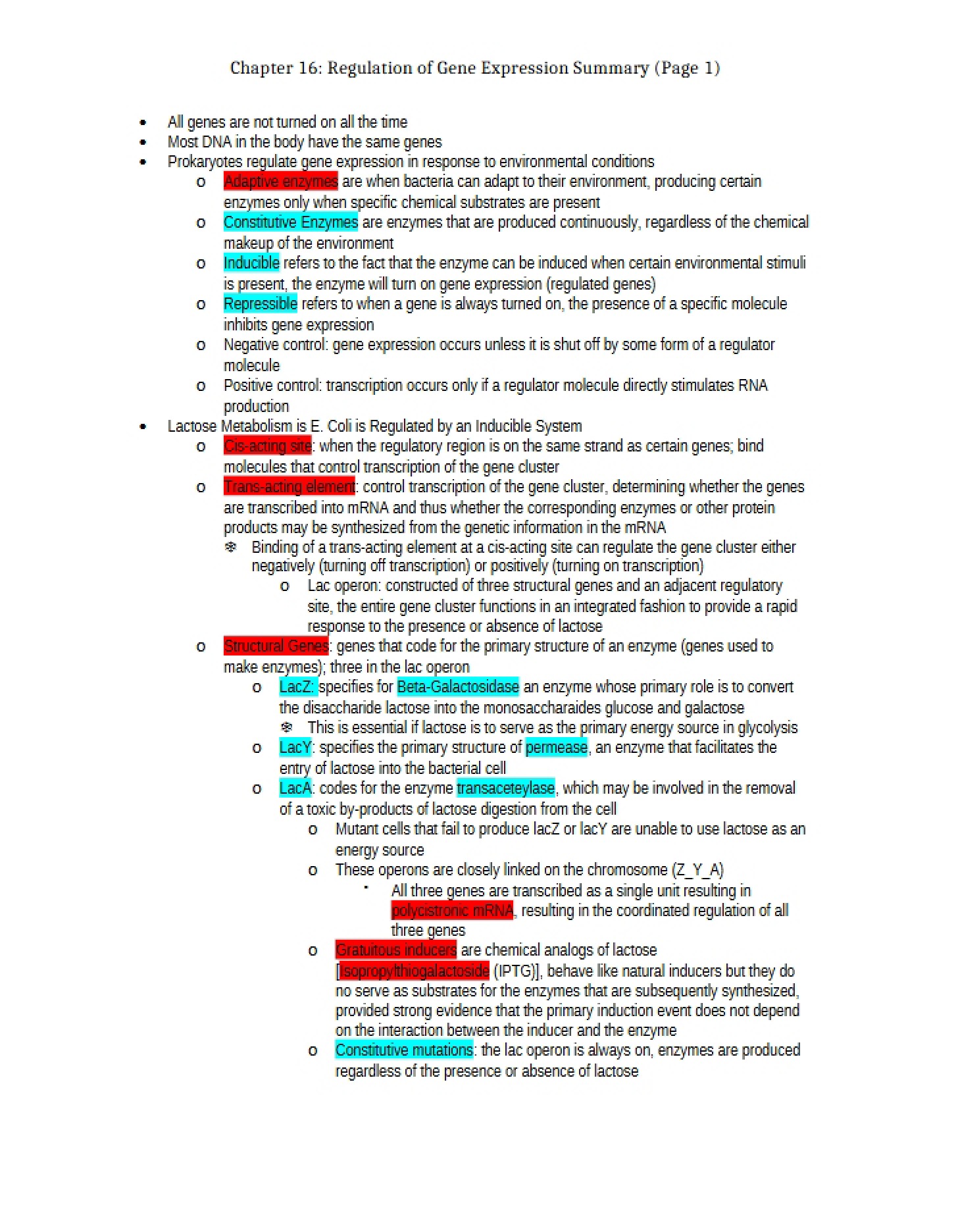
* An overview of the factors influencing gene expression in eukaryotes, contrasting them with prokaryotic systems.
* Key terminology related to chromatin structure and its impact on gene accessibility.
* Explanations of epigenetic modifications and their role in heritable gene expression changes.
* Discussion of cis-acting regulatory elements and their function in controlling transcription initiation.
* An introduction to the immune system’s role in recognizing and responding to foreign substances.
* Insights into the regulation of antibody production and the cells involved in this process.