What This Document Is
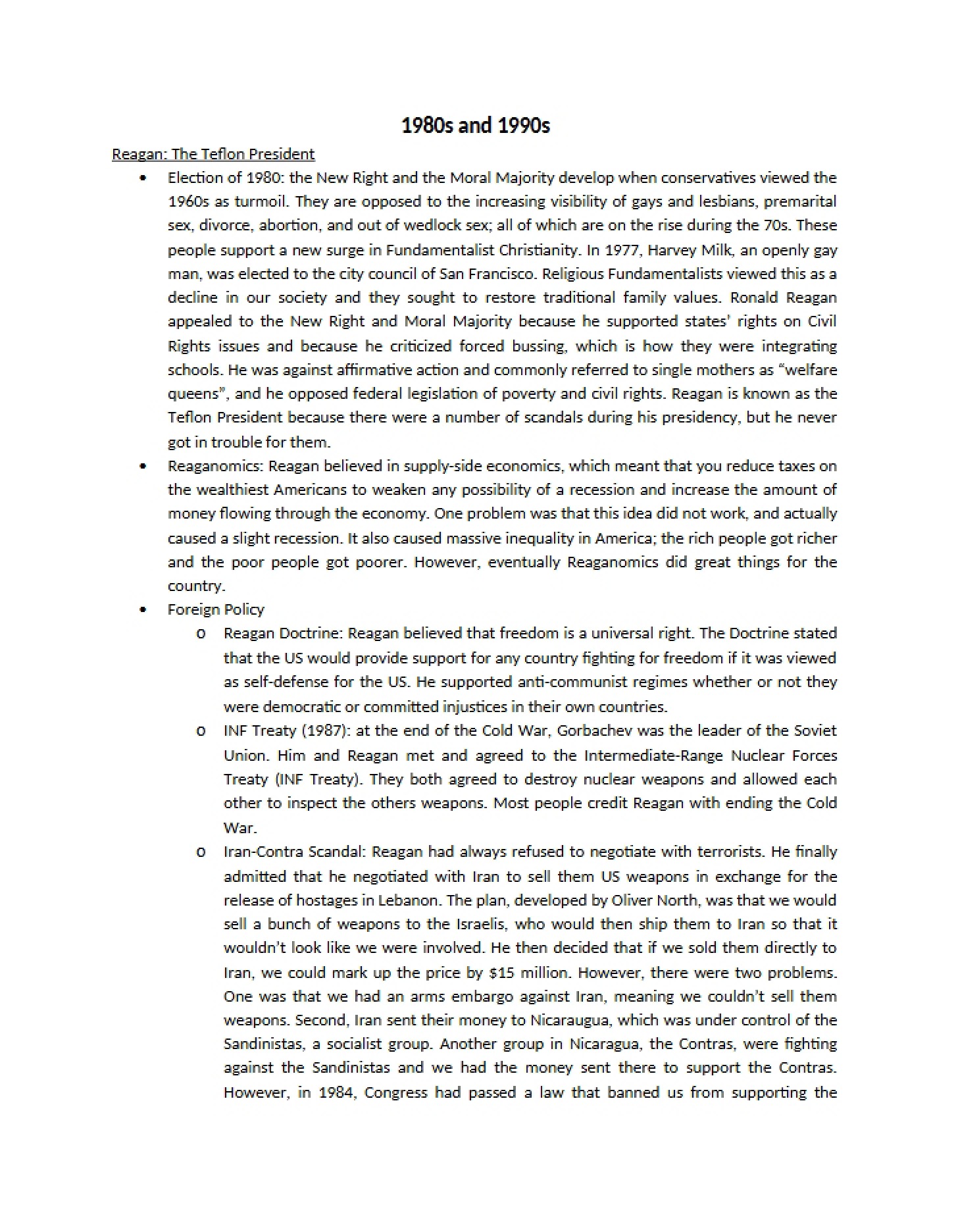
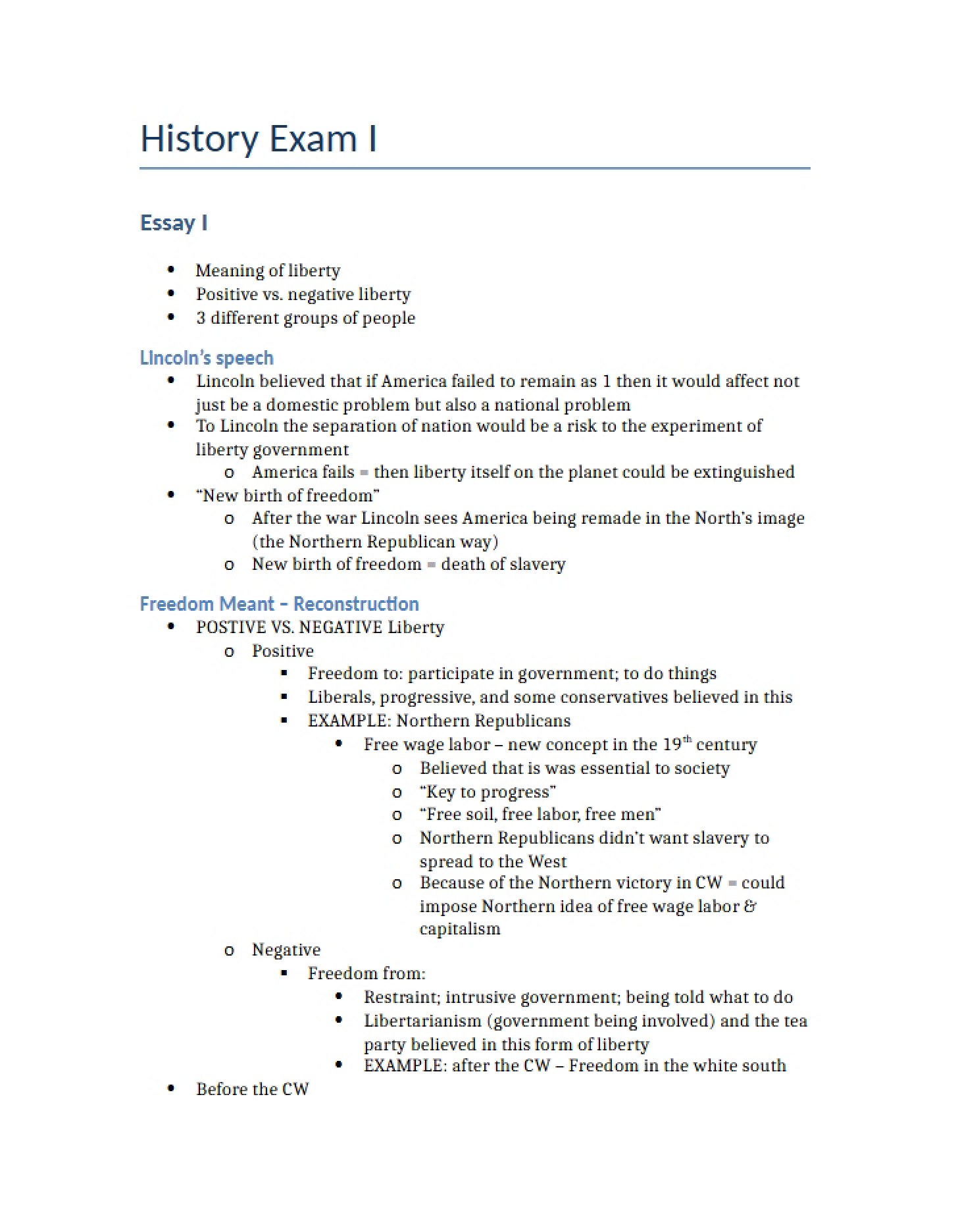
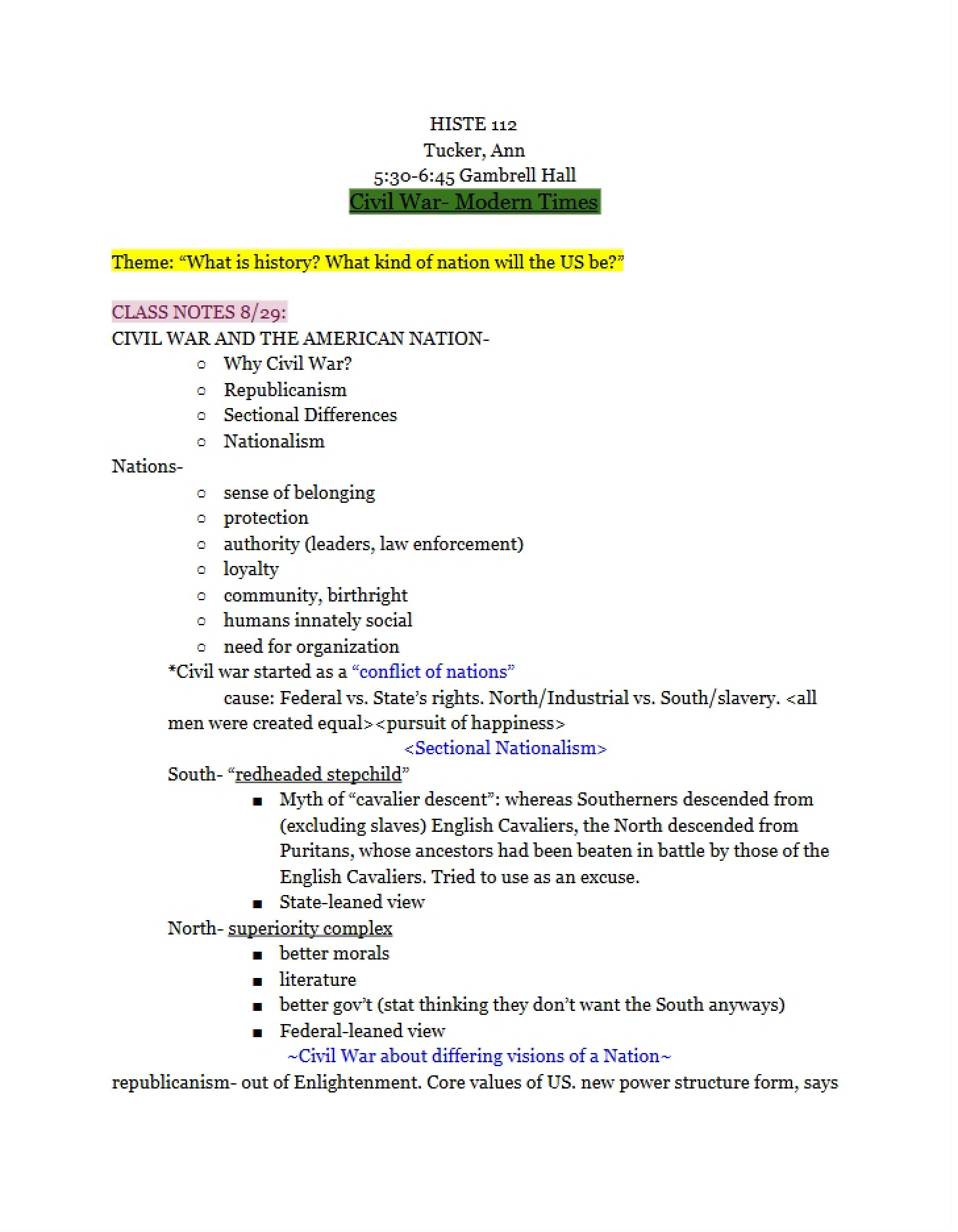
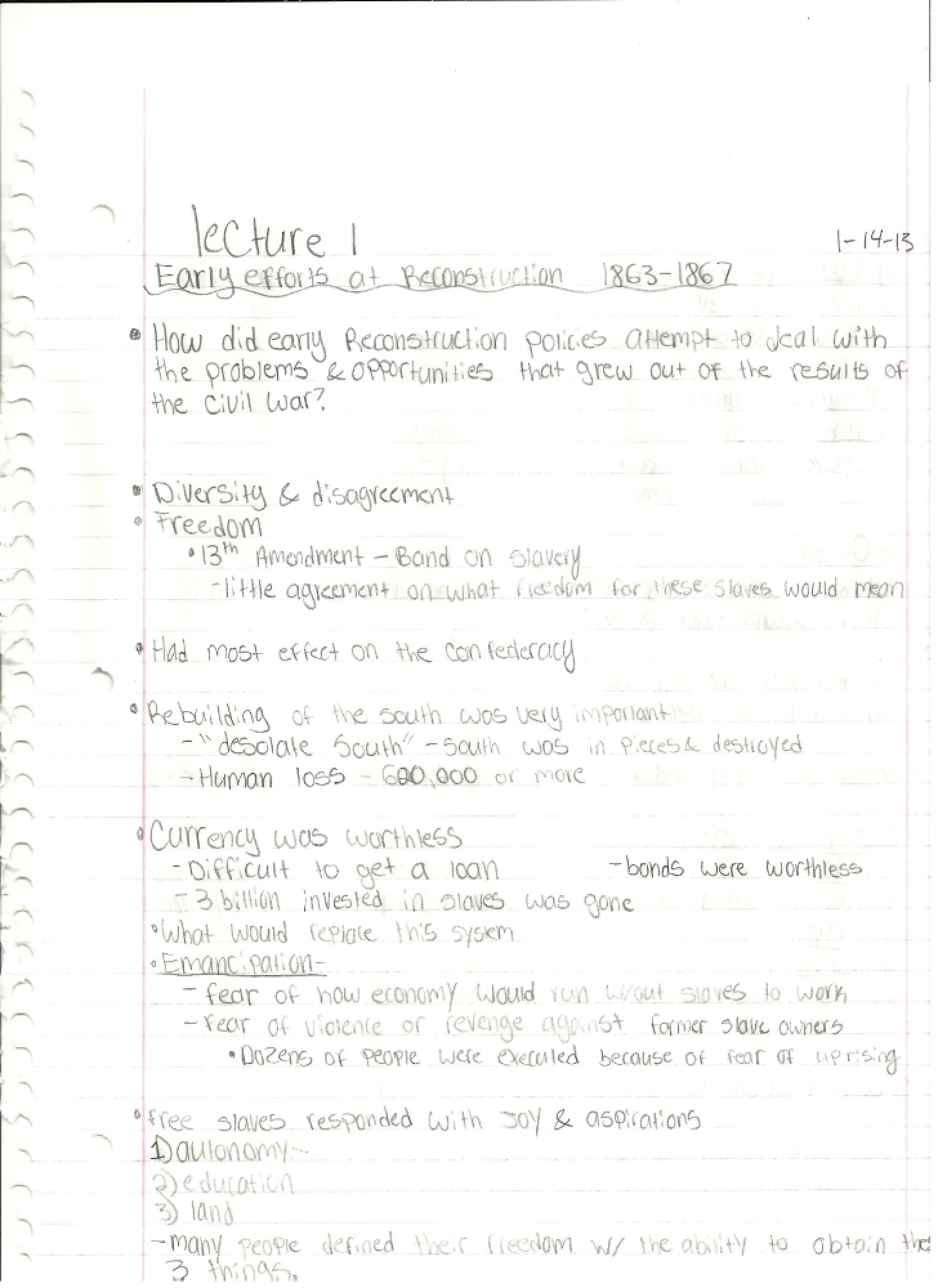
This resource offers a comprehensive set of historical notes focused on the period of United States history following the Civil War, specifically since 1865. It delves into the complex era of Reconstruction and its aftermath, covering the political, social, and economic transformations that reshaped the nation. These notes are designed to synthesize key events, figures, and debates of this pivotal time, offering a structured overview for students navigating this challenging subject matter. The material appears to be based on lecture content and supplemental readings, formatted for efficient study and review.
Why This Document Matters
Students enrolled in United States History courses – particularly those covering the post-Civil War period – will find these notes exceptionally valuable. They are ideal for supplementing textbook readings, clarifying complex concepts discussed in lectures, and preparing for quizzes and exams. Individuals seeking a concise yet thorough understanding of Reconstruction, the Gilded Age, and the early 20th century will also benefit. This resource is particularly useful when you need to quickly grasp the overarching themes and connections within this era, and build a strong foundation for further research.
Common Limitations or Challenges
These notes are intended as a study *aid* and do not replace the need for thorough engagement with assigned course materials. They do not offer original historical analysis or interpretations, but rather a distillation of established scholarship. The notes will not provide complete arguments or detailed evidence for every historical claim; instead, they highlight key points for further investigation. Furthermore, this resource does not include primary source materials or practice questions.
What This Document Provides
* Key events and legislation related to the Reconstruction era.
* Overviews of the major political factions and their competing ideologies.
* Discussion of the economic shifts occurring in the South and the nation as a whole.
* Examination of the evolving rights and status of formerly enslaved people.
* Insights into the challenges and controversies surrounding the implementation of Reconstruction policies.
* Contextualization of significant figures and their roles in shaping the post-Civil War landscape.