What This Document Is
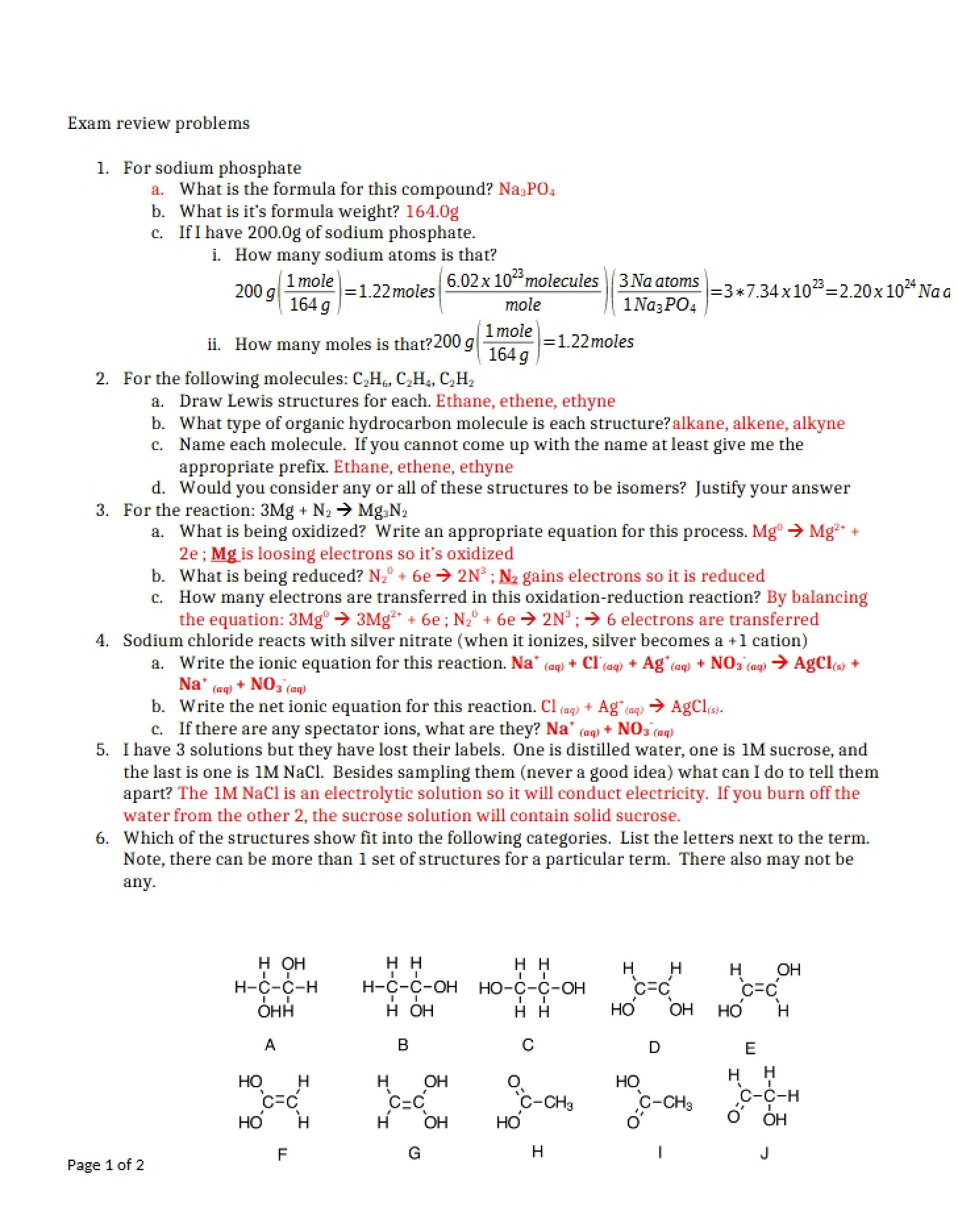
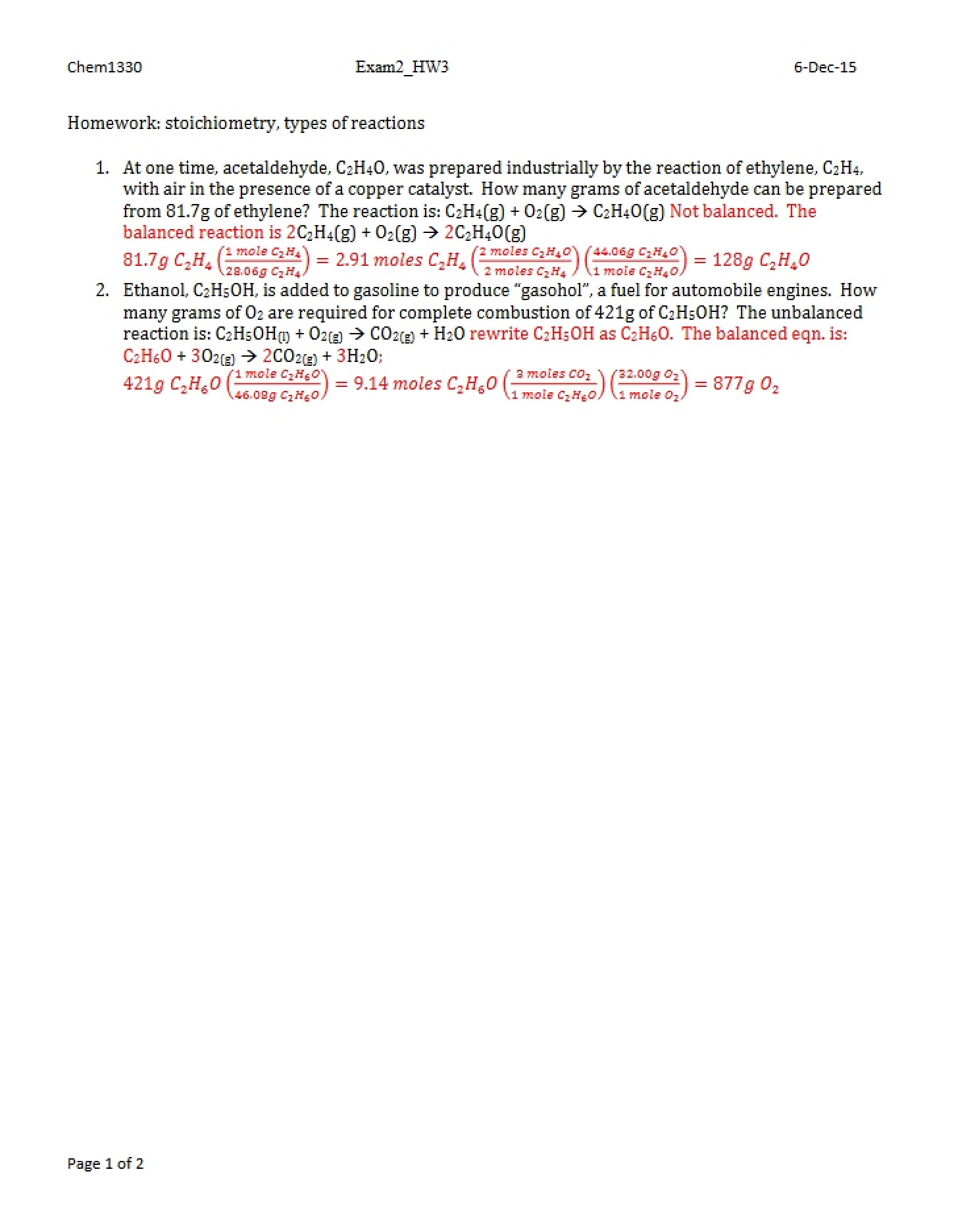
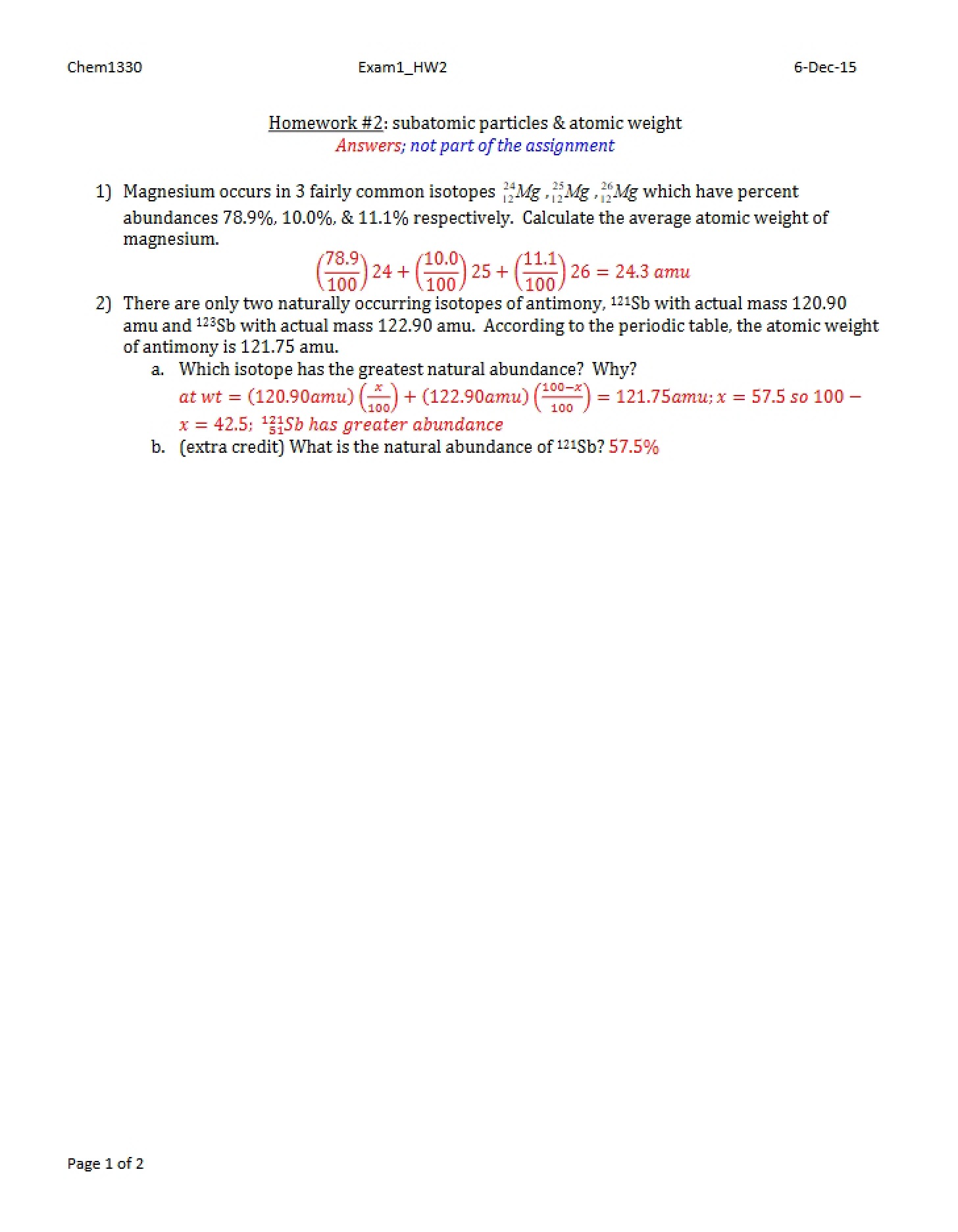
This document is a focused homework assignment designed to reinforce key concepts covered in Chemistry for Health Sciences (CHEM 1330) at William Paterson University. It centers around stoichiometric calculations and the identification of reaction types – foundational elements of a successful chemistry curriculum. The assignment appears to be designed as practice for an upcoming exam, judging by the title referencing “Exam2”.
Why This Document Matters
This resource is invaluable for students currently enrolled in CHEM 1330 who are looking to solidify their understanding of chemical reactions and quantitative analysis. It’s particularly helpful when preparing for assessments, as it provides targeted practice. Students who struggle with balancing equations, determining limiting reactants, or applying mole concepts will find this assignment especially beneficial. Working through these types of problems builds confidence and improves problem-solving skills essential for success in higher-level chemistry courses and related health science fields.
Common Limitations or Challenges
This assignment focuses specifically on stoichiometry and reaction types. It does *not* provide a comprehensive review of all chemistry topics. It assumes a base level of understanding of chemical formulas and the periodic table. Furthermore, while the assignment presents problems, it does not offer detailed step-by-step explanations or worked-out solutions – those are reserved for students with full access. It’s designed to be a practice tool, not a teaching tool.
What This Document Provides
* A series of problems relating to calculating quantities of reactants and products in chemical reactions.
* Practice in balancing chemical equations.
* Scenarios involving real-world applications of stoichiometry, such as fuel production.
* Exercises focused on identifying oxidizing and reducing agents in redox reactions.
* Problems involving solubility and the formation of precipitates.
* A limiting reactant problem utilizing inventory constraints.