What This Document Is
This resource is a compilation of general notes designed to support students enrolled in General Chemistry with Lab (CHEM 115) at Western Washington University. It functions as a study aid, offering a structured overview of foundational concepts typically covered in the early stages of a chemistry curriculum. The notes aim to reinforce classroom learning and provide a reference point for tackling homework assignments and lab work. It’s built to be a companion to lectures and the course textbook, not a replacement.
Why This Document Matters
Students who are building a foundational understanding of chemistry will find this resource particularly helpful. It’s ideal for reviewing key definitions, units, and problem-solving approaches. Those preparing for quizzes or exams on introductory chemistry topics will also benefit from having these notes readily available. It’s especially useful for students who want a consolidated reference point for frequently used conversion factors and essential formulas. If you’re feeling overwhelmed by the sheer volume of information in the course, this can help organize your studies.
Common Limitations or Challenges
This document is not a substitute for attending lectures, completing assigned readings, or actively participating in lab sessions. It does not contain detailed, step-by-step solutions to practice problems, nor does it offer in-depth explanations of complex chemical reactions. It also doesn’t cover all possible topics within General Chemistry; it focuses on core principles and frequently encountered units and calculations. Access to the full document is required to unlock the specific details and examples presented.
What This Document Provides
* A compilation of suggested practice problems correlated to specific textbook chapters.
* Links to external online resources for mathematical support relevant to chemistry coursework.
* A comprehensive listing of SI base units and commonly used SI prefixes.
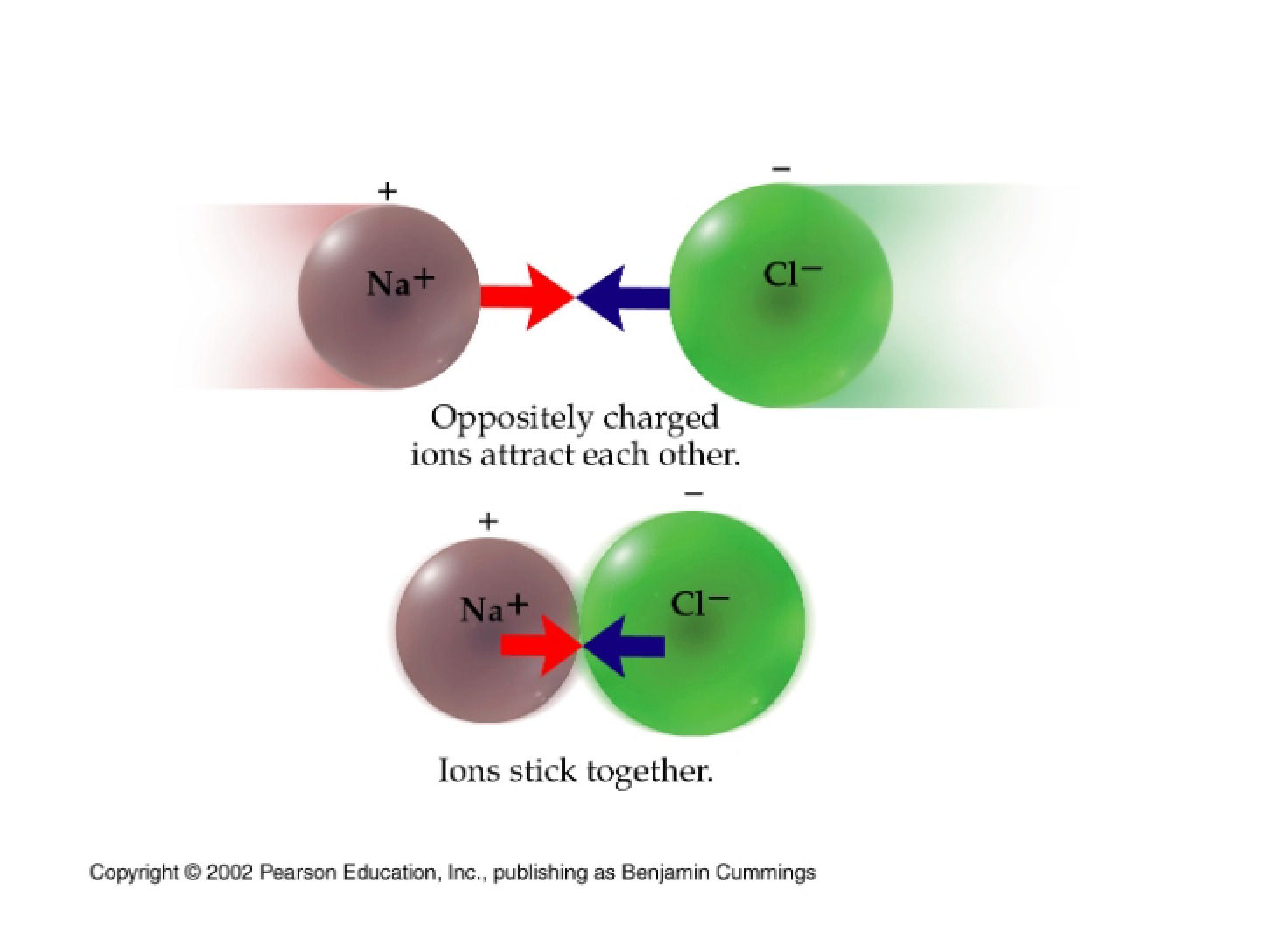
* Visual aids illustrating concepts like measurement precision and temperature scales.
* Guidance on a general approach to solving chemistry problems, including planning and checking your work.
* A detailed exploration of unit conversions, including both metric and imperial systems.
* An overview of derived SI units, such as area, volume, density, and force.