What This Document Is
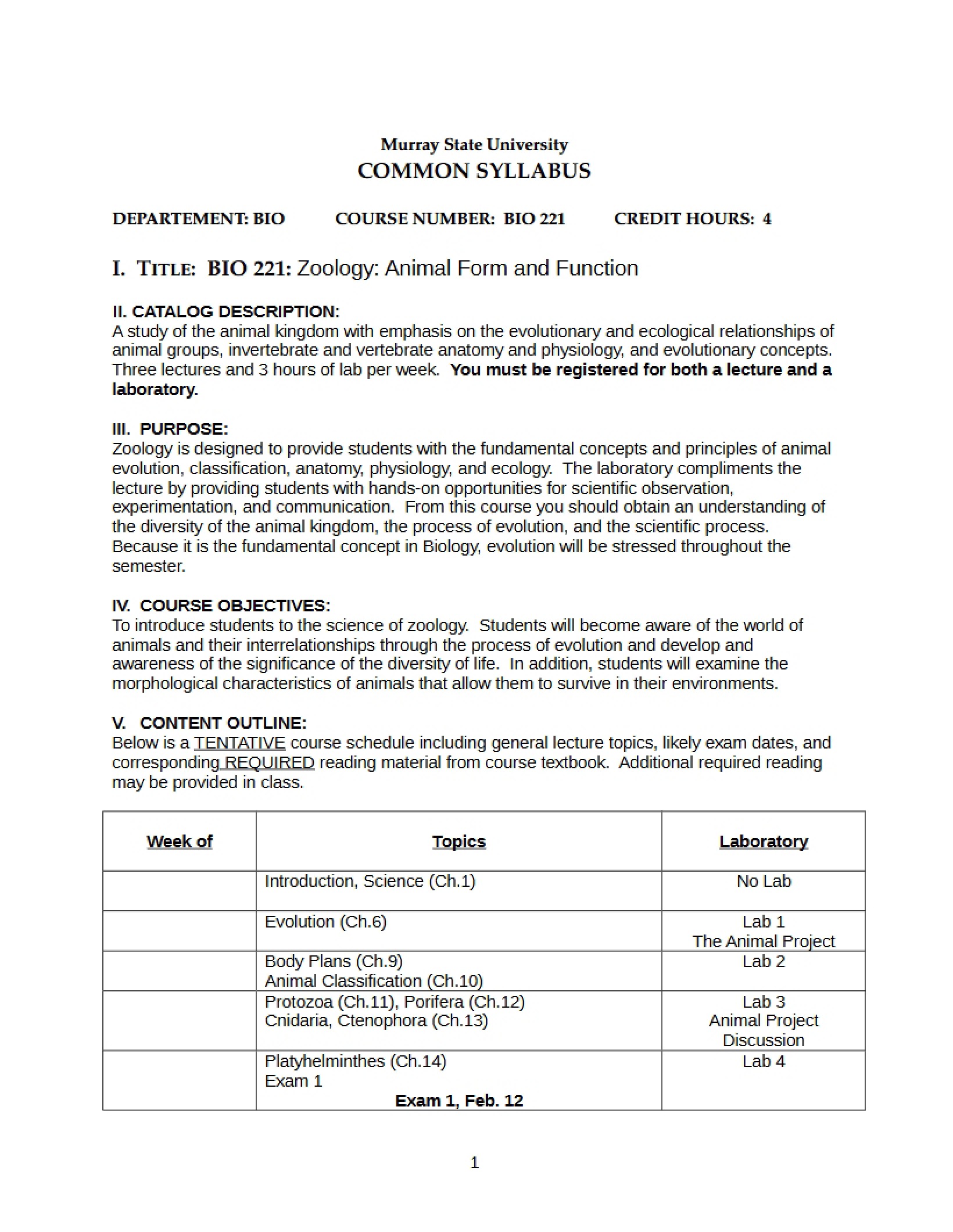
These are lecture notes covering Phylum Annelida, commonly known as segmented worms. The notes provide an overview of the key characteristics, body plan, and physiological features of this diverse group of animals, including earthworms, leeches, and marine bristle worms. It’s designed to accompany a Zoology: Animal Form and Function course (BIO 221) at Murray State University.
Why This Document Matters
These notes are essential for students enrolled in an introductory zoology course. They serve as a foundational resource for understanding the evolutionary significance of segmentation, coelom development, and the relationship between structure and function in animals. The material is typically covered during lectures focused on invertebrate diversity and animal body plans. Understanding Annelida is crucial for grasping concepts applicable to more complex animal phyla.
Common Limitations or Challenges
This document is a set of lecture *notes*, not a comprehensive textbook chapter. It provides a condensed overview and relies on accompanying lectures and textbook readings for complete understanding. It does not include detailed diagrams, interactive exercises, or practice questions. It also doesn’t cover the full breadth of annelid diversity – focusing on core anatomical and physiological principles.
What This Document Provides
This preview includes information on:
* The defining characteristics of Phylum Annelida, including their segmented body plan and worldwide distribution.
* A description of the “tube-within-a-tube” body design and its advantages.
* Details on the body wall structure, including the epidermis, cuticle, muscles, and setae.
* An explanation of the coelom and its role in hydrostatic skeleton function.
* An overview of movement mechanisms, including burrowing and crawling.
* A basic introduction to the circulatory system.
This preview *does not* include detailed coverage of annelid reproduction, nervous system specifics, excretory systems, or detailed species-specific adaptations. It also does not contain any visual aids or in-depth phylogenetic analysis.