What This Document Is
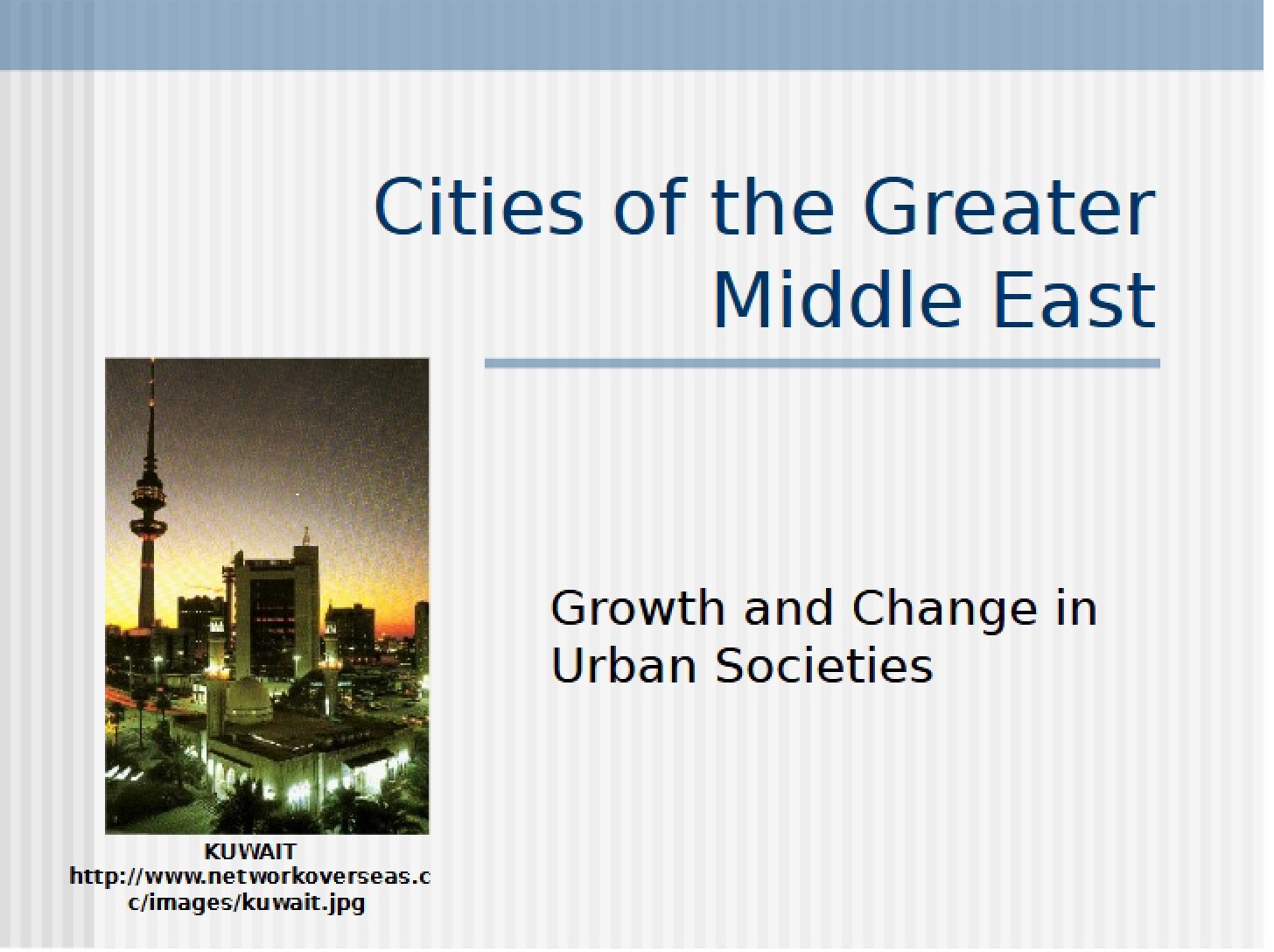
This document is a chapter excerpt focusing on the urban landscape of the Greater Middle East, intended for use within a broader course on growth and change in urban societies. It provides a focused exploration of cities within this geographically and culturally complex region, examining their historical development and modern characteristics. The material delves into the unique factors shaping urbanization patterns, considering both ancient origins and contemporary influences. It utilizes maps and references key data points related to population and urbanization rates.
Why This Document Matters
Students enrolled in urban studies, geography, history, or Middle Eastern studies programs will find this resource particularly valuable. It’s ideal for those seeking a deeper understanding of the specific challenges and opportunities facing cities in this region, and how they differ from urbanization processes elsewhere in the world. This material can be used as a foundational text for research projects, class discussions, or to supplement lectures on global urbanization trends. It’s especially helpful when exploring the interplay between cultural heritage, political shifts, and economic development in an urban context.
Common Limitations or Challenges
This excerpt offers a concentrated look at the Greater Middle East, and does not provide an exhaustive overview of all urban areas globally. It focuses on broad themes and patterns, and does not delve into detailed case studies of individual cities beyond illustrative examples. While it acknowledges recent events, it represents a snapshot in time and does not offer predictive analysis of future urban development. It is a component of a larger course and assumes some foundational knowledge of urban theory and Middle Eastern history.
What This Document Provides
* An overview of key demographic data related to urbanization in the Greater Middle East.
* A historical perspective on the origins of cities in the Fertile Crescent and Nile Valley.
* Discussion of the impact of empires and colonialism on urban development in the region.
* Exploration of the role of oil and gas revenues in modern urbanization processes.
* Identification of major urban centers and regional patterns of urbanization.
* Visual aids, including maps illustrating the geographical scope and key cities.