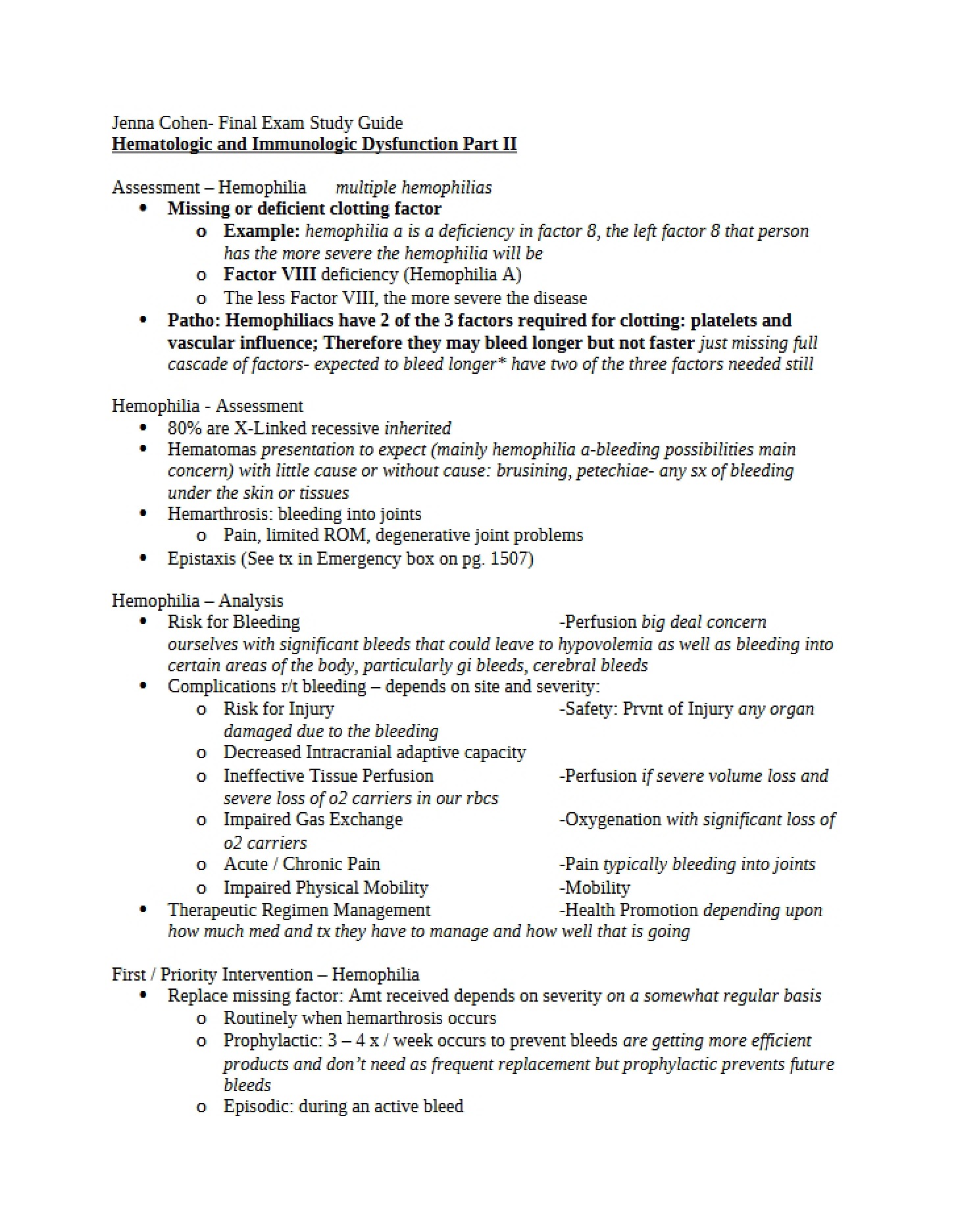
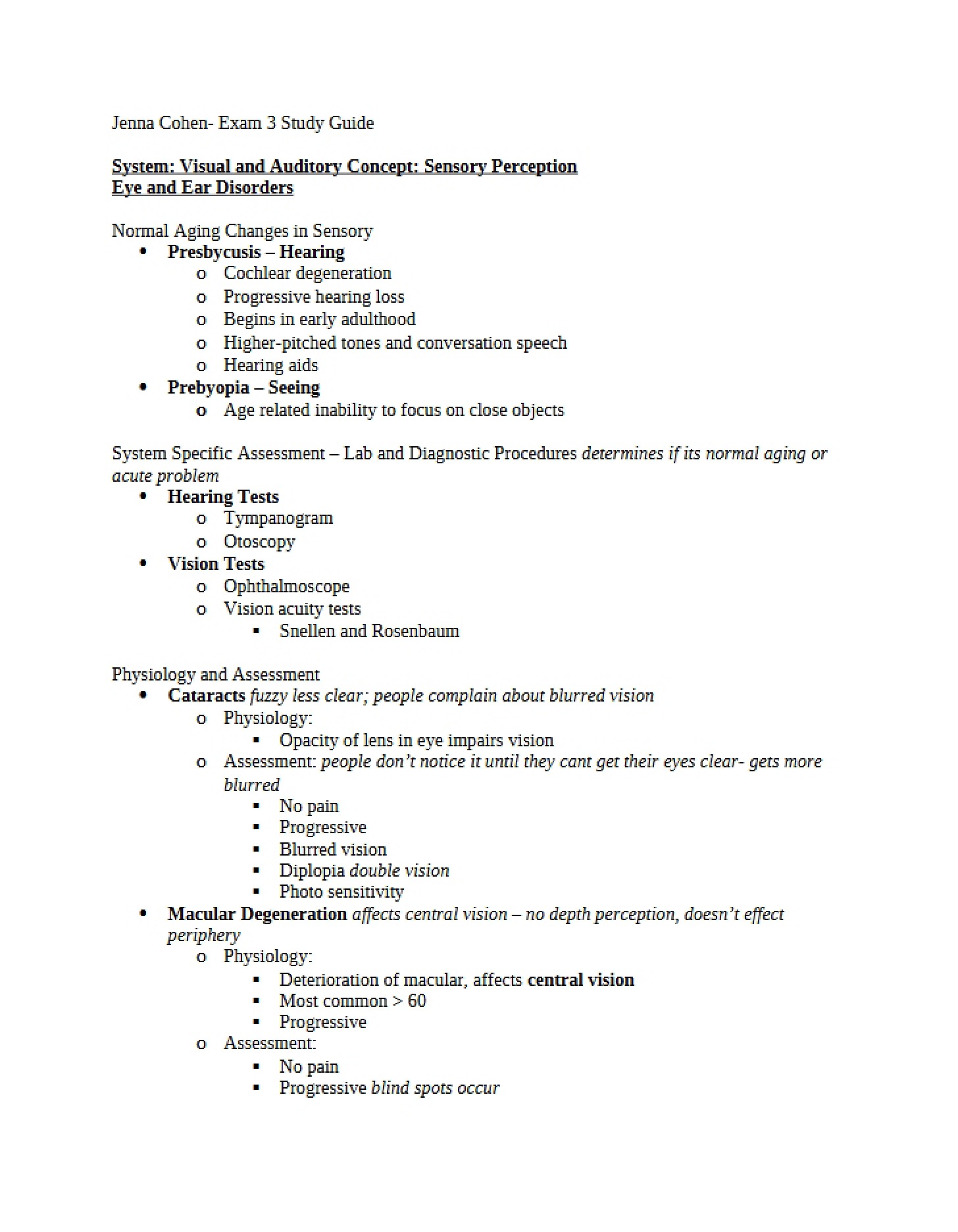
What This Document Is
This study guide focuses on critical concepts within Adult Acute Care Nursing, specifically designed to aid in preparation for Exam 2 in NURS 412 at the University of South Carolina. It comprehensively reviews cardiovascular physiology, with a significant emphasis on pediatric differences and expected findings. The guide delves into circulatory changes occurring at birth and throughout development, linking these changes to potential clinical presentations.
Why This Document Matters
This resource is invaluable for students in NURS 412 seeking to solidify their understanding of core cardiovascular principles as they apply to adult and pediatric patients in acute care settings. It’s particularly helpful for those needing a focused review before an exam, or for anyone wanting to strengthen their foundational knowledge of cardiac function and assessment. Understanding these concepts is crucial for providing safe and effective patient care in a variety of clinical scenarios. It’s best utilized *after* initial course learning – think of it as a tool to refine and reinforce your existing knowledge base.
Common Limitations or Challenges
This guide is not a substitute for required course readings, lectures, or clinical experiences. It does not provide detailed case studies, practice questions, or direct answers to potential exam questions. It’s designed to be a focused review, and therefore doesn’t cover all possible cardiovascular conditions or related topics. It assumes a baseline understanding of anatomy and physiology.
What This Document Provides
* A review of fetal circulatory adaptations and the changes that occur at birth.
* An overview of normal adult cardiovascular flow and pressure dynamics.
* Key considerations for assessing cardiovascular function in pediatric patients.
* Discussion of expected findings related to pulse, pressure, perfusion, and murmurs in children.
* Guidance on interpreting potential clinical significance of murmurs.
* Important physiological factors that can influence cardiovascular assessment findings.