What This Document Is
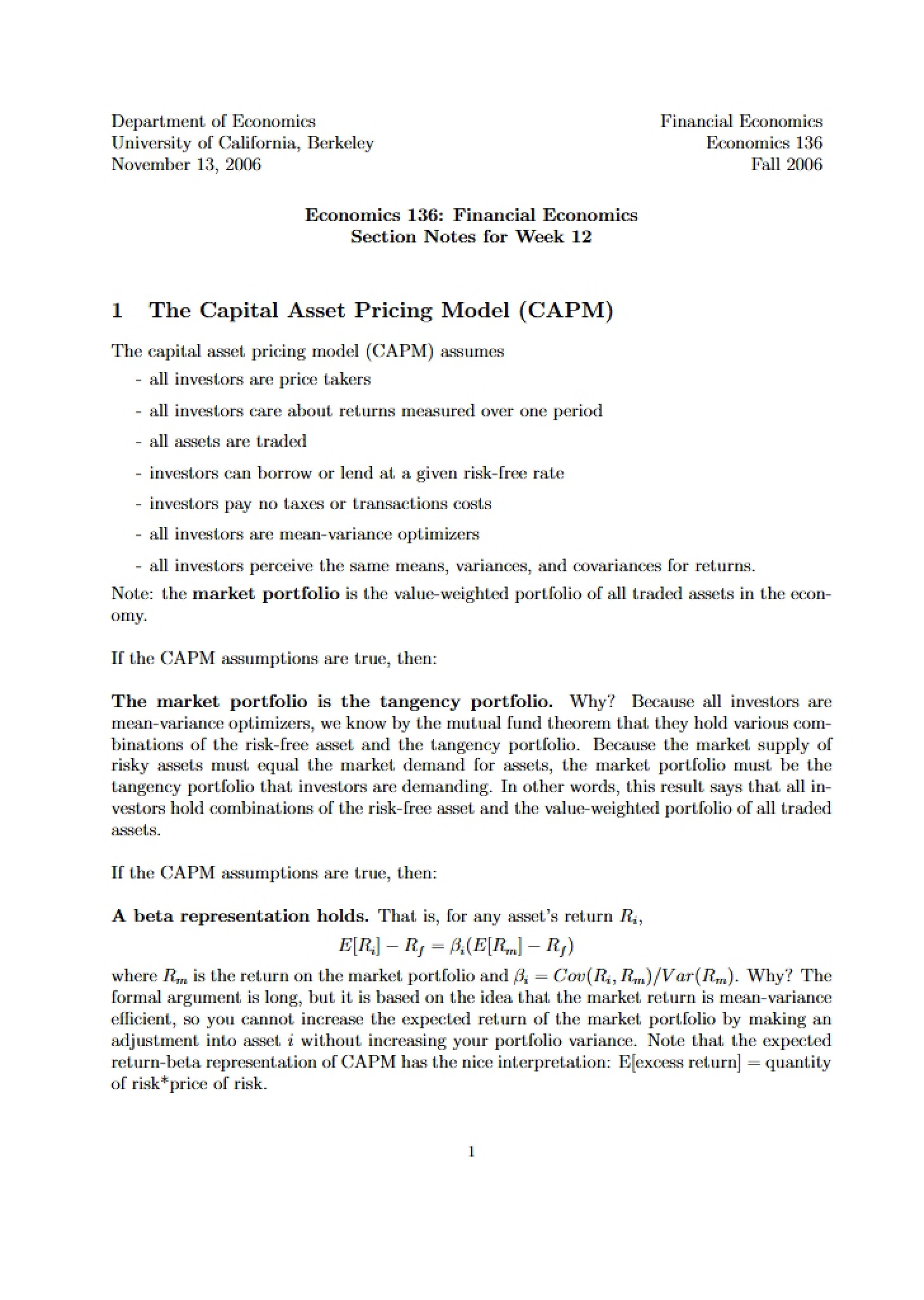
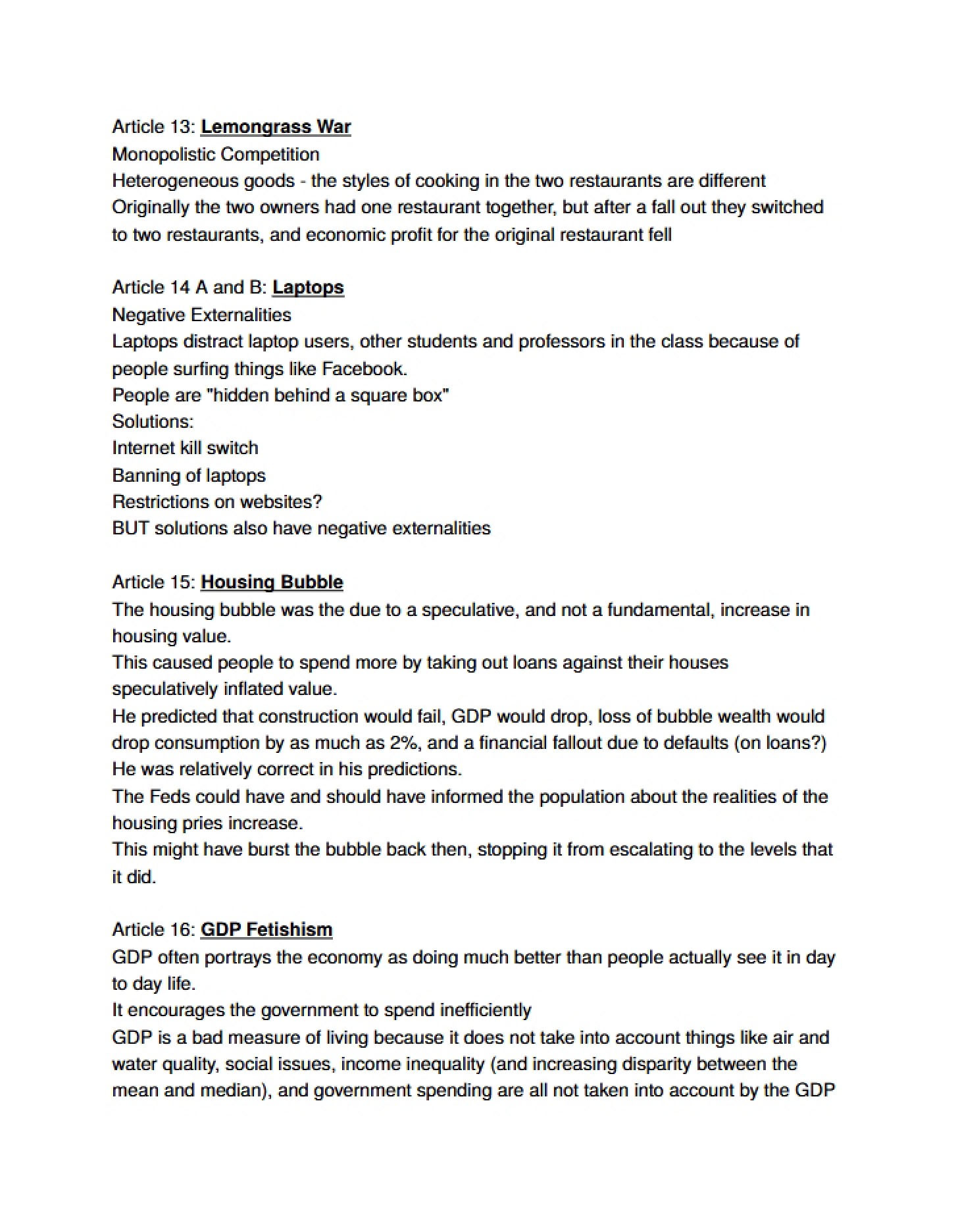
This is a comprehensive review guide designed to help students prepare for the final exam in Financial Economics (ECON 136) at the University of California, Berkeley. It’s intended as a companion resource to previously distributed midterm review materials, consolidating key themes and concepts explored throughout the course. This guide focuses on the intersection of economic principles and environmental challenges, offering a framework for understanding complex systems and sustainable practices.
Why This Document Matters
Students enrolled in ECON 136 will find this guide particularly valuable as they approach the final assessment. It’s best utilized during the final stages of exam preparation, serving as a tool to synthesize course material and identify areas for further review. Individuals aiming for a strong grasp of the economic factors influencing environmental issues, urban development, and resource management will benefit from the insights contained within.
Topics Covered
* The evolving relationship between human development and environmental impact.
* Economic principles related to urbanization and the function of cities.
* The concept of complex systems and emergent properties in economic and environmental contexts.
* Different approaches to material economies – linear vs. circular models.
* The economic considerations surrounding sustainability and resource allocation.
* The role of technological innovation in addressing environmental challenges.
* Concepts of economic justice and equitable distribution of environmental burdens.
* Historical case studies illustrating economic and environmental interactions.
What This Document Provides
* A consolidated overview of core concepts from the course.
* Key terminology and definitions related to financial economics and environmental studies.
* A structured framework for understanding the interplay between economic systems and ecological limits.
* Connections between theoretical models and real-world examples.
* An exploration of the factors influencing resource consumption and waste generation.
* Discussion points related to policy implications and potential solutions for sustainable development.