What This Document Is
This is a comprehensive review guide designed to help students prepare for the final exam in CS 111, Introduction to Data Structures at West Virginia University. It covers core concepts from chapters 1 through 9 of the course, focusing on foundational programming principles and the implementation of fundamental data structures. The guide is structured by chapter, highlighting key terms and concepts that will be assessed on the exam.
Why This Document Matters
This guide is invaluable for students looking to solidify their understanding of the material covered throughout the semester. It’s particularly useful during the final exam preparation phase, offering a focused overview of essential topics. Students who utilize this guide can identify areas where they need further review and practice, ultimately leading to improved exam performance. It’s best used in conjunction with course notes, textbooks, and completed assignments.
Common Limitations or Challenges
This review guide is *not* a substitute for attending lectures, completing assignments, or reading the textbook. It serves as a condensed summary and does not provide in-depth explanations or step-by-step solutions. It also doesn’t include practice exam questions or detailed code walkthroughs. The guide assumes a baseline understanding of the concepts presented in the course and is designed to *refresh* knowledge, not to teach it from scratch. Specific sections within chapters have been excluded from review.
What This Document Provides
* A chapter-by-chapter breakdown of key topics covered in CS 111.
* Lists of important terms related to programming fundamentals, software development lifecycles, and data structures.
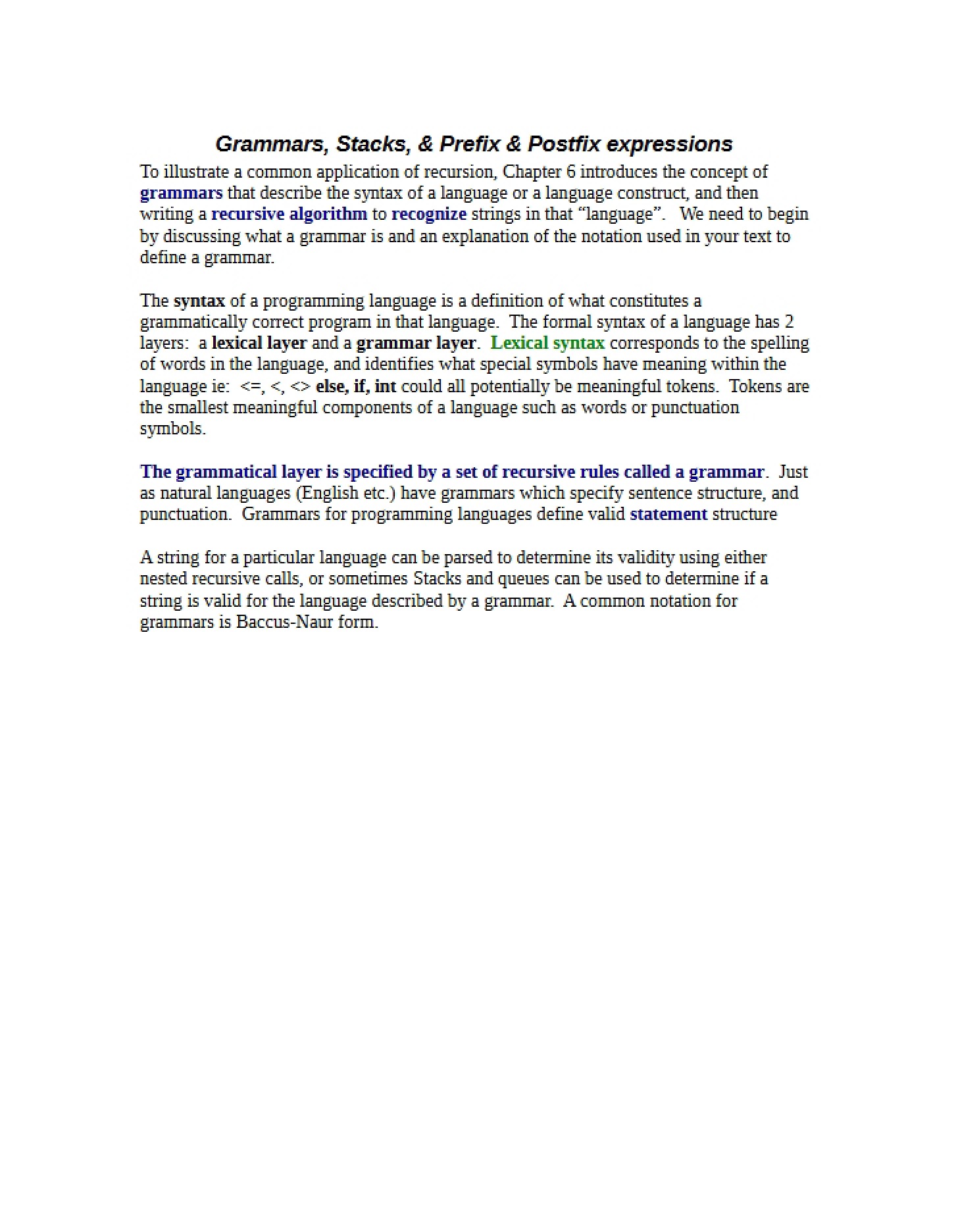
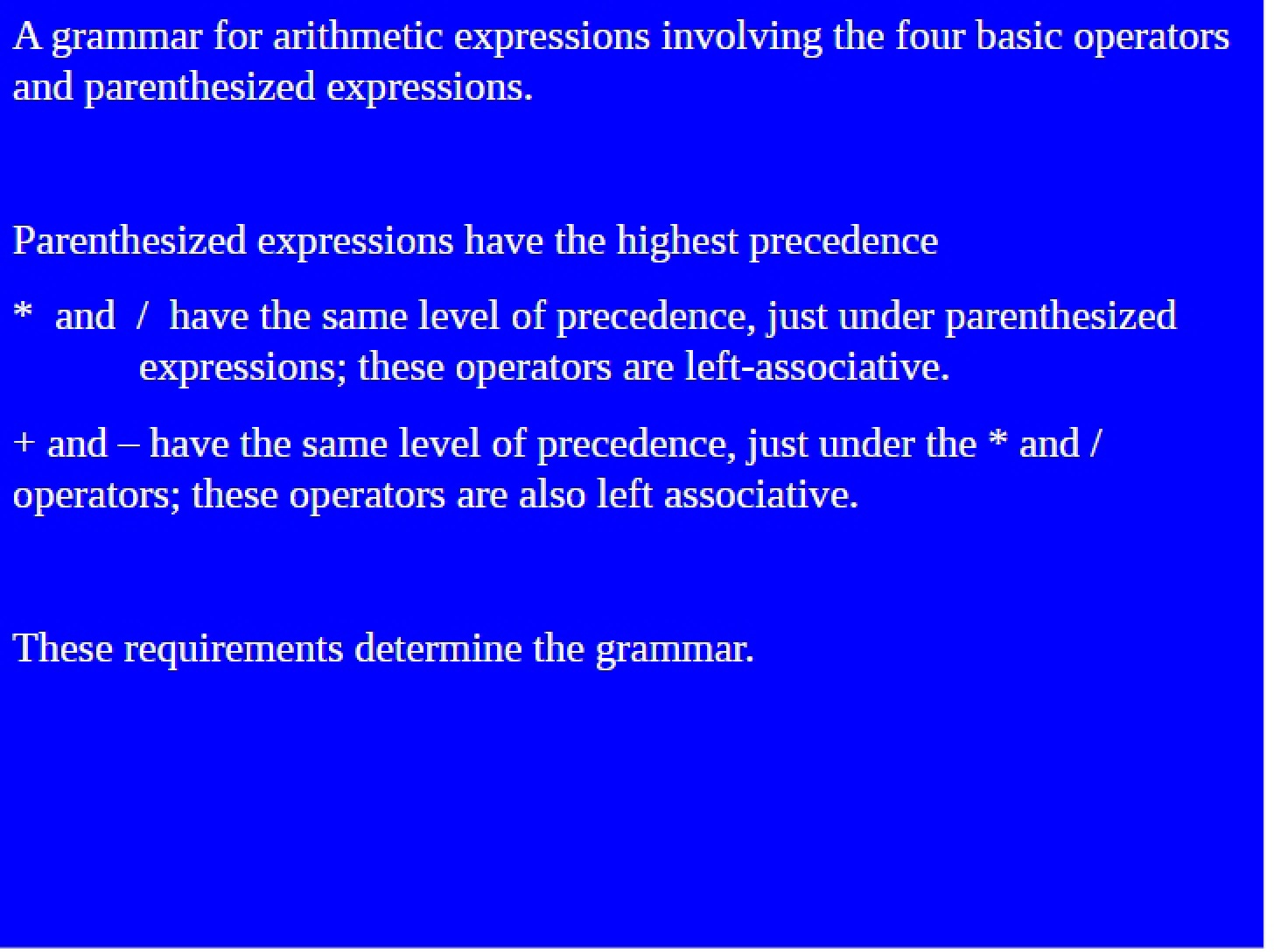
* Identification of core concepts within each chapter, such as recursion, abstraction, and data structure properties.
* Guidance on understanding the differences between various programming constructs (loops, selection, methods).
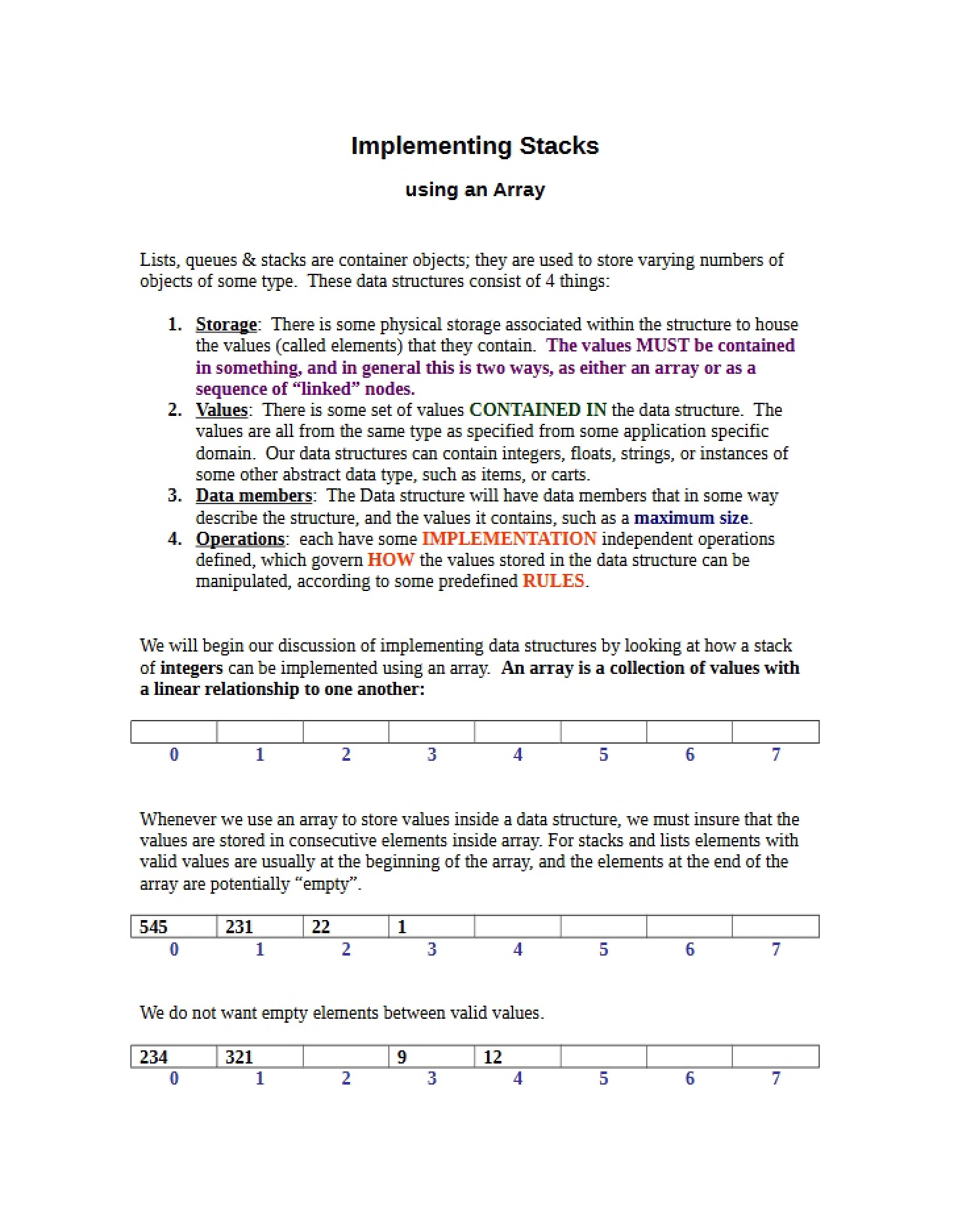
* Focus on the characteristics and operations of fundamental data structures like queues, stacks, and lists.
* Highlights the importance of preconditions and postconditions in method design.
* Points to instructor-provided resources available online.