What This Document Is
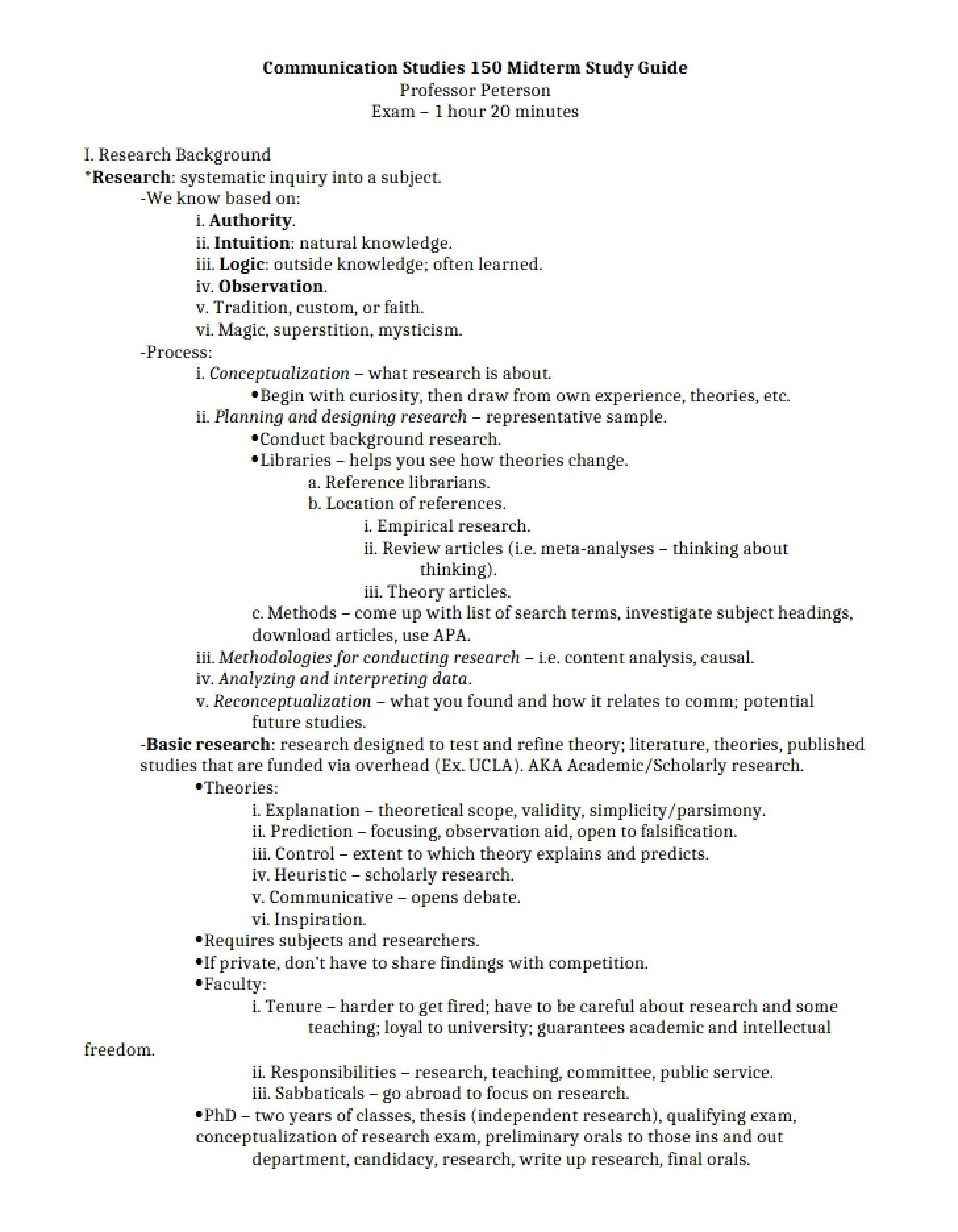
This comprehensive study guide is designed to support students enrolled in COMMST 150: Methodologies in Communication Research at UCLA. It serves as a focused resource to aid in preparation for a final assessment, offering a structured overview of key concepts and design principles covered throughout the course. This guide consolidates essential information relating to research methodologies, helping students to review and reinforce their understanding of complex topics.
Why This Document Matters
This guide is particularly valuable for students seeking to solidify their grasp of research design principles before a culminating exam or project. It’s ideal for those who want a concise yet thorough review of the course’s core methodologies, offering a focused approach to studying. Students who benefit most will be those aiming to demonstrate a strong understanding of experimental and quasi-experimental approaches, and the nuances of selecting appropriate research designs. It’s best utilized during the final stages of course review, allowing for targeted study and efficient preparation.
Topics Covered
* Quasi-Experimental Designs: Exploring variations and applications.
* Strategies for Enhancing Quasi-Experimental Validity.
* Comparative Analysis of Different Research Designs.
* Between-Subject Experimental Designs: Configurations and applications.
* Factorial Designs: Understanding interactions between variables.
* Internal Analysis Techniques for Research Findings.
* Time-Series Designs and their application in research.
What This Document Provides
* A structured overview of various research design approaches.
* Key terminology and definitions related to experimental and quasi-experimental methods.
* A framework for understanding the strengths and limitations of different designs.
* Guidance on interpreting the complexities of research methodologies.
* A consolidated resource for efficient final study preparation.