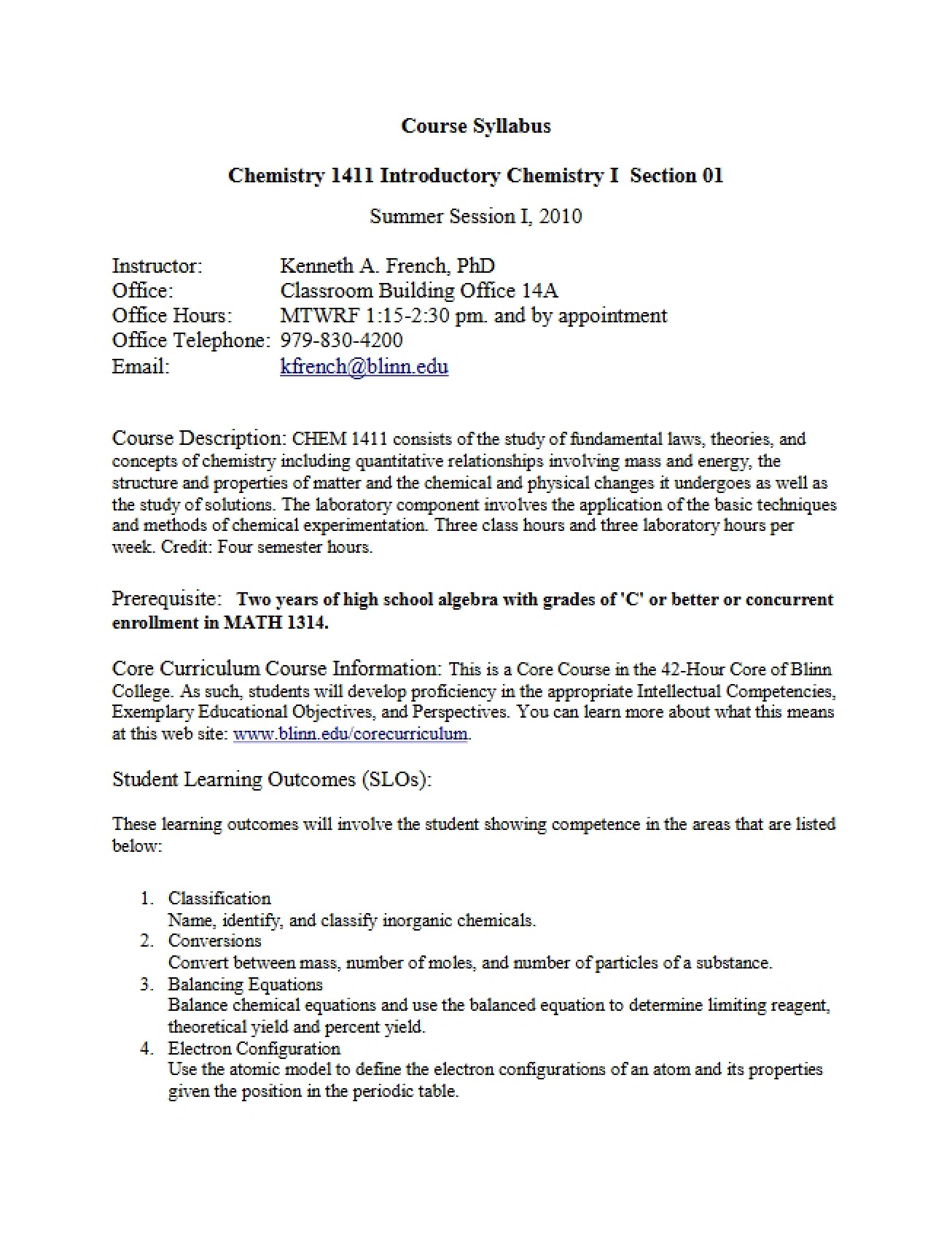
What This Document Is
This guide provides a foundational overview of atoms, the building blocks of matter, and their organization within the periodic table. It explores the structure of atoms – protons, neutrons, and electrons – and how these components determine an element’s identity and properties. The document also introduces the periodic table as a systematic arrangement of elements based on their atomic structure.
Why This Document Matters
This resource is crucial for students beginning their study of chemistry. Understanding atomic structure and the periodic table is essential for grasping more complex chemical concepts, such as chemical bonding, reactions, and stoichiometry. It serves as a starting point for anyone needing a refresher on these core principles. This guide is typically used at the beginning of a General Chemistry I course to establish a fundamental understanding of matter.
Common Limitations or Challenges
This document is an introductory guide and does not delve into advanced topics like quantum mechanics or complex bonding theories. It provides a conceptual foundation but does not offer detailed calculations or problem-solving strategies. Users will still need textbooks, lectures, and further study to fully master these concepts and apply them to specific chemical problems.
What This Document Provides
The full guide includes explanations of:
* Atomic structure (protons, neutrons, electrons, nucleus, energy levels)
* The organization of the periodic table (periods, groups/families, atomic number)
* Isotopes and their applications
* Electron configuration and valence electrons
* How the periodic table predicts element properties
* Key definitions related to atomic structure and the periodic table
This preview does *not* include practice problems, detailed examples of electron configurations, or in-depth discussions of specific element properties. It is designed to give you a sense of the topics covered, not to teach you the material itself.