What This Document Is
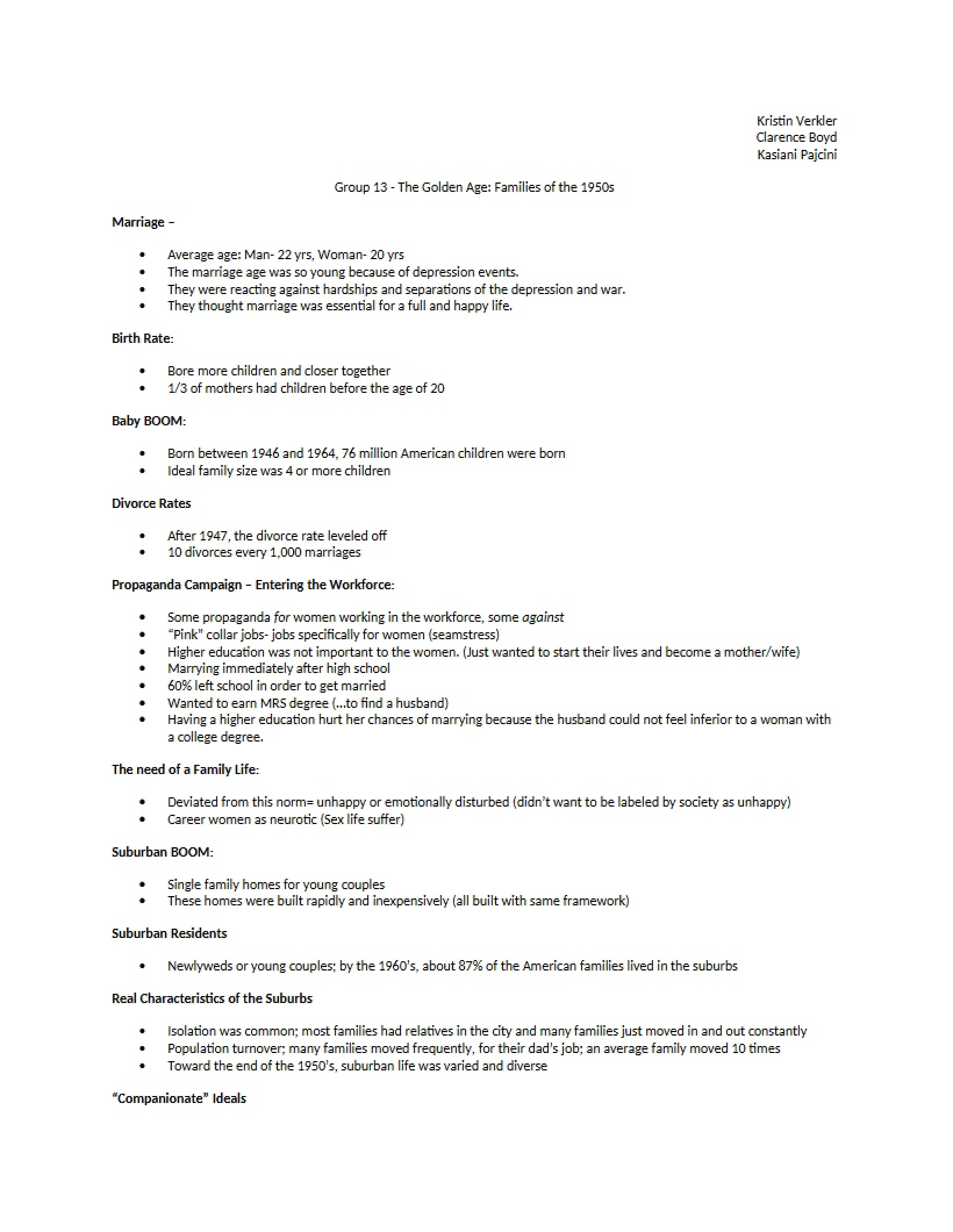
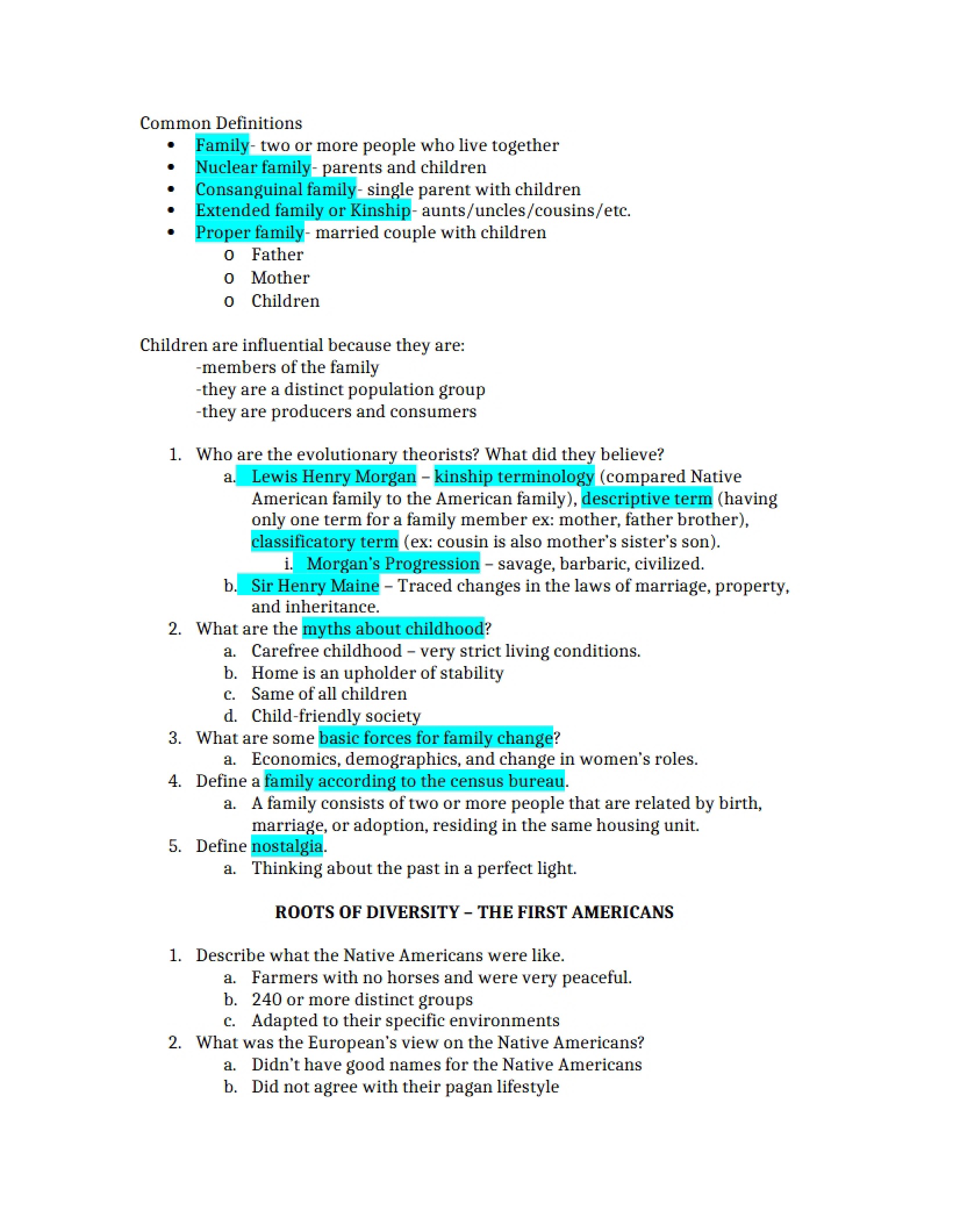
This guide offers a historical overview of American family life and societal norms spanning the Progressive Era (roughly 1890s-1920s) through the 1950s. It examines evolving expectations for both men and women, focusing on concepts of masculinity, femininity, and the social constraints placed upon individuals, particularly concerning sexuality and gender roles. The document highlights shifts in social behavior and the emergence of new cultural phenomena.
Why This Document Matters
This resource is valuable for students in courses like American Family: Change & Diversity, or any field exploring 20th-century American social history. It’s particularly useful when examining the historical roots of contemporary gender dynamics and societal expectations. Understanding these eras provides context for current debates surrounding identity, equality, and social change. It’s typically used as background reading to support lectures and discussions.
Common Limitations or Challenges
This guide provides a focused lens on specific aspects of these eras – primarily gender roles and sexuality. It does *not* offer a comprehensive history of the Progressive Era or the 1950s, nor does it delve deeply into economic or political factors. It’s a starting point for research, not a complete historical analysis.
What This Document Provides
The full document includes:
* An examination of the “Real Man” ideal during the Progressive Era, including expectations around work, physicality, and social behavior.
* Discussion of the social stigma surrounding homosexuality in the early 20th century, including the formation of subcultures and experiences with law enforcement.
* Analysis of changing roles for women, including challenges in the workplace and evolving social norms regarding dress and behavior.
* Insights into the cultural shifts of the 1920s, including the rise of consumerism and new forms of entertainment.
* Specific examples like the founding of the Boy Scouts and its connection to ideals of masculinity.
This preview does *not* include detailed analysis of specific legislation, economic data, or biographical information beyond what is mentioned above. It does not provide a full account of daily life during these periods.