What This Document Is
This document comprises lecture handouts from NRES 201 (Introduction to NRES) at the University of Illinois at Urbana-Champaign, specifically focusing on the critical topic of Soil Organic Matter. It’s designed to accompany a lecture, providing a structured overview of the subject. The material delves into the multifaceted nature of SOM, moving beyond a simple definition to explore its roles within the broader ecological context. It’s a foundational resource for understanding soil health and its impact on environmental systems.
Why This Document Matters
Students enrolled in introductory environmental science, soil science, or agronomy courses will find this resource particularly valuable. It’s ideal for those seeking a comprehensive understanding of the components, functions, and management of soil organic matter. This material is best utilized *during* or *immediately following* a lecture on the topic, serving as a strong reference point for clarifying concepts and reinforcing learning. Professionals in fields like agriculture, land management, and environmental consulting may also benefit from a refresher on these core principles.
Common Limitations or Challenges
This handout set presents a detailed overview, but it doesn’t offer practical, hands-on laboratory exercises or detailed case studies. It’s a theoretical foundation and doesn’t include specific regional variations in soil organic matter composition or management techniques. Furthermore, while it touches upon the global carbon cycle, it doesn’t delve into the complexities of climate change modeling or advanced biogeochemical processes. Access to the full material is required for a complete understanding of the concepts presented.
What This Document Provides
* A clear definition of Soil Organic Matter and its key components.
* An exploration of the diverse functions of SOM – nutritional, physical, and biological.
* An overview of strategies for managing and influencing soil organic matter levels.
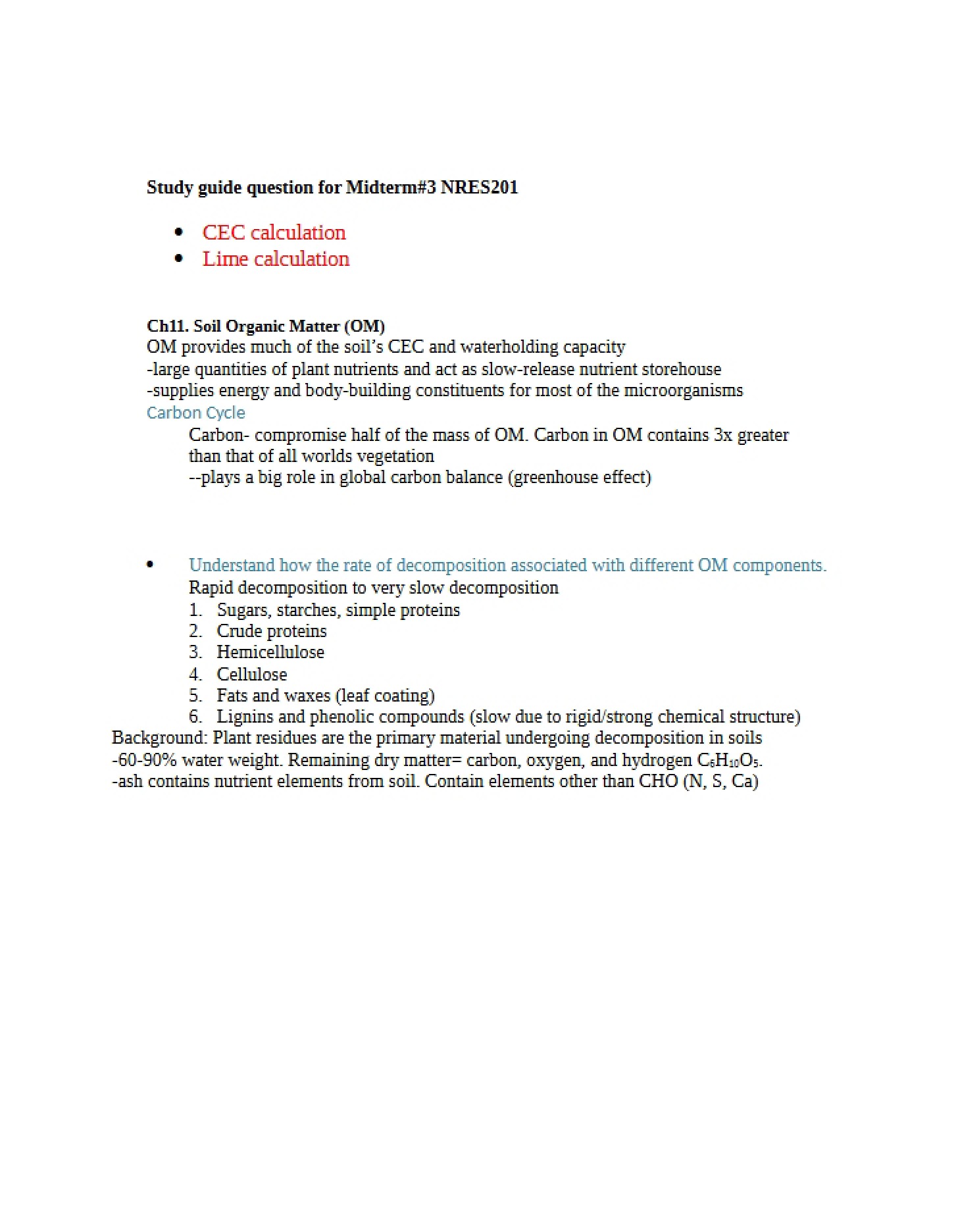
* A discussion of the processes involved in the decomposition of organic residues in soil.
* An examination of factors influencing the content and distribution of organic matter.
* Insights into the relationship between residue composition and decomposition rates.
* A conceptual framework for understanding nutrient dynamics during decomposition.