What This Document Is
This is a detailed exploration of biogeochemical cycles, specifically focusing on the interplay between nitrogen fertilization and carbon storage within terrestrial ecosystems. It’s part of a graduate-level course in Ecosystem Analysis (ZOOLOGY 535) at the University of Wisconsin-Madison, and represents a core model for understanding complex environmental processes. The material delves into the theoretical frameworks used to analyze element flows and storage, building upon previously established models of ecological interactions. It utilizes mathematical modeling as a tool to investigate these relationships.
Why This Document Matters
Students enrolled in advanced ecology, biogeochemistry, or environmental science courses will find this resource particularly valuable. It’s ideal for those seeking a deeper understanding of how human activities – specifically nitrogen deposition – can influence global carbon cycles. Researchers investigating ecosystem responses to environmental change, or those developing predictive models of carbon sequestration, will also benefit. This material is best utilized *after* a foundational understanding of ecological modeling and basic biogeochemical principles has been established.
Common Limitations or Challenges
This resource focuses on a specific, model-driven approach to understanding complex systems. It does not provide a comprehensive overview of all biogeochemical cycles, nor does it offer practical field methods for data collection. The analysis relies heavily on theoretical frameworks and mathematical representations, so a strong quantitative background is recommended. It also builds upon prior concepts covered in the course, so it’s not intended as a standalone introduction to the subject.
What This Document Provides
* A core model for analyzing the impact of nitrogen deposition on carbon storage.
* An examination of the global fluxes of fixed nitrogen into forested ecosystems.
* A framework for estimating the potential for carbon sequestration resulting from nitrogen fertilization.
* Discussion of the factors that can limit or enhance carbon storage in terrestrial environments.
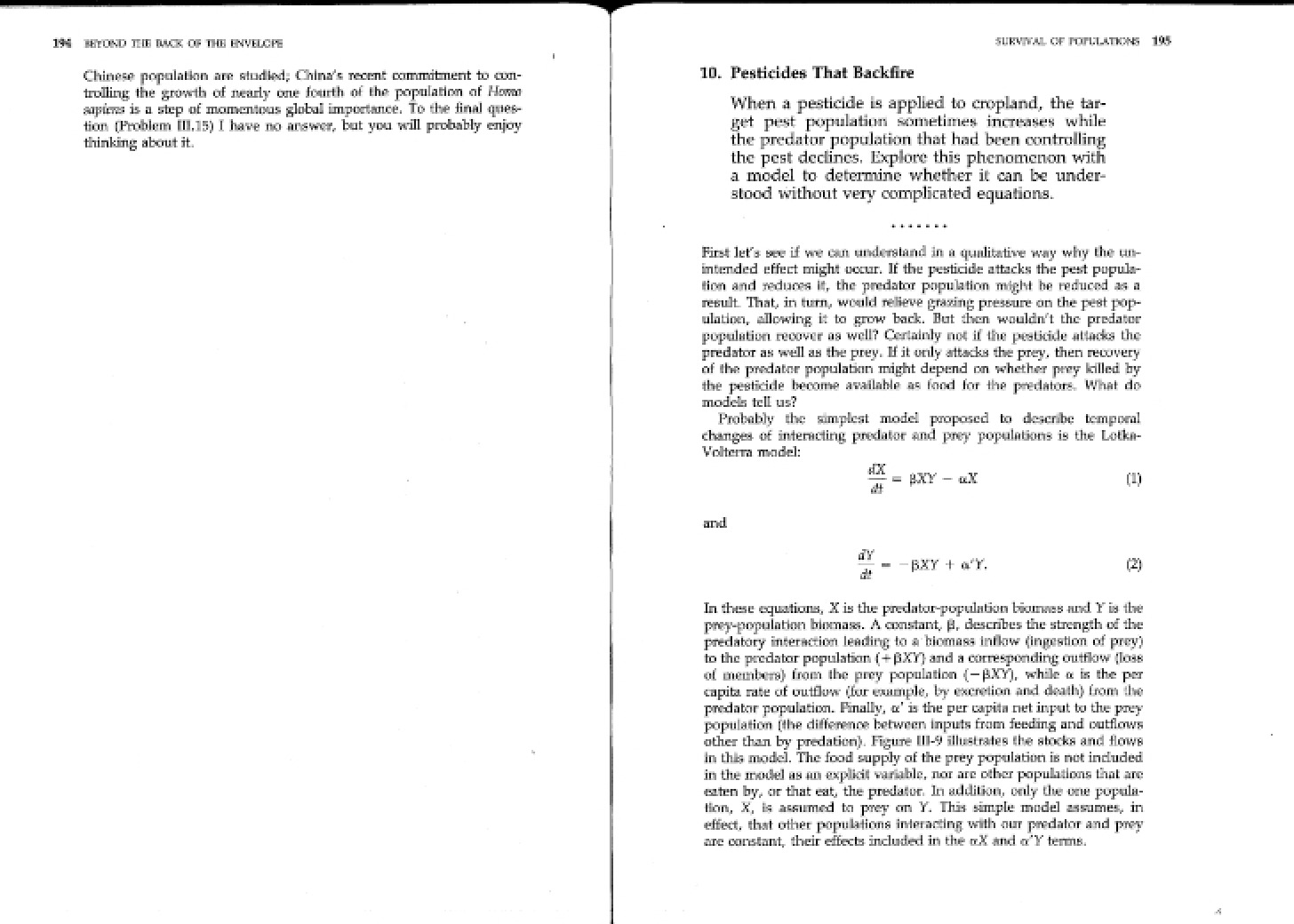
* Connections to previously explored ecological models (predator-prey systems).
* An exploration of the role of microbial activity in biogeochemical processes.