What This Document Is
This study guide provides a foundational overview of histology – the microscopic study of tissues. Specifically, it delves into the organization of both plant and animal tissues, exploring their structures and fundamental roles within larger biological systems. It’s designed to complement laboratory exercises and lectures within a Biological Principles II course, focusing on the building blocks of life at a cellular level. The material bridges the gap between macroscopic anatomy and the intricate details of cellular organization.
Why This Document Matters
This resource is invaluable for students seeking a deeper understanding of how living organisms are constructed and function. It’s particularly helpful for those preparing for lab practicals, quizzes, or exams that require identification and understanding of tissue types. Students who struggle with visualizing microscopic structures or connecting tissue organization to overall organ function will find this guide particularly beneficial. It’s best used *in conjunction* with actual microscopic observation and course lectures to reinforce learning.
Common Limitations or Challenges
This guide focuses on core histological concepts and does not provide exhaustive coverage of every tissue type or specialized variation. It’s not a substitute for hands-on laboratory experience with microscopes and prepared slides. Furthermore, it does not include detailed protocols for staining techniques or slide preparation. The guide presents foundational knowledge; advanced topics like specific disease states related to tissue pathology are beyond its scope.
What This Document Provides
* An overview of the hierarchical organization of biological systems, from cells to organisms.
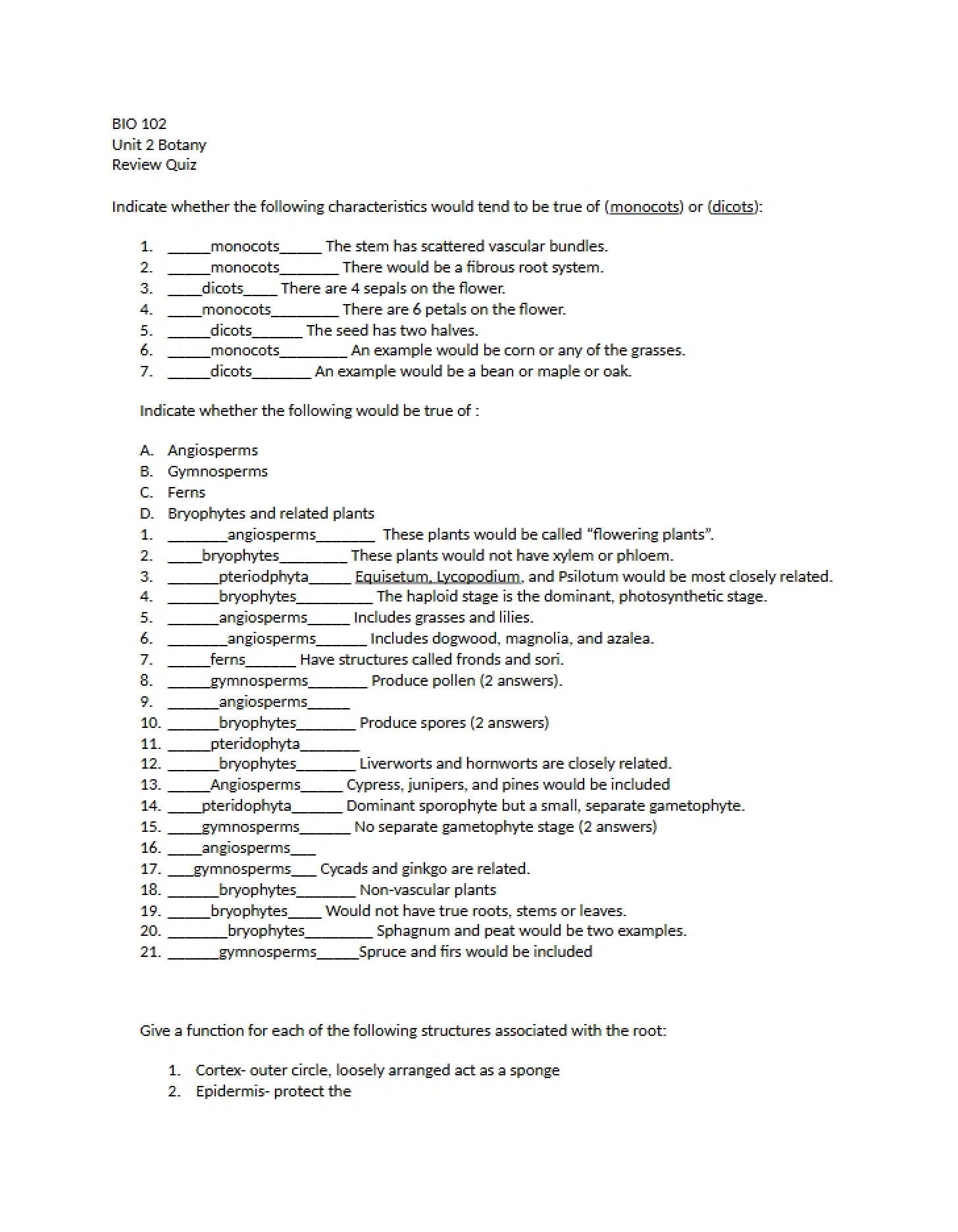
* A comparative analysis of the three primary tissue systems found in plants (dermal, ground, and vascular).
* Detailed exploration of plant tissue organization within stems and roots.
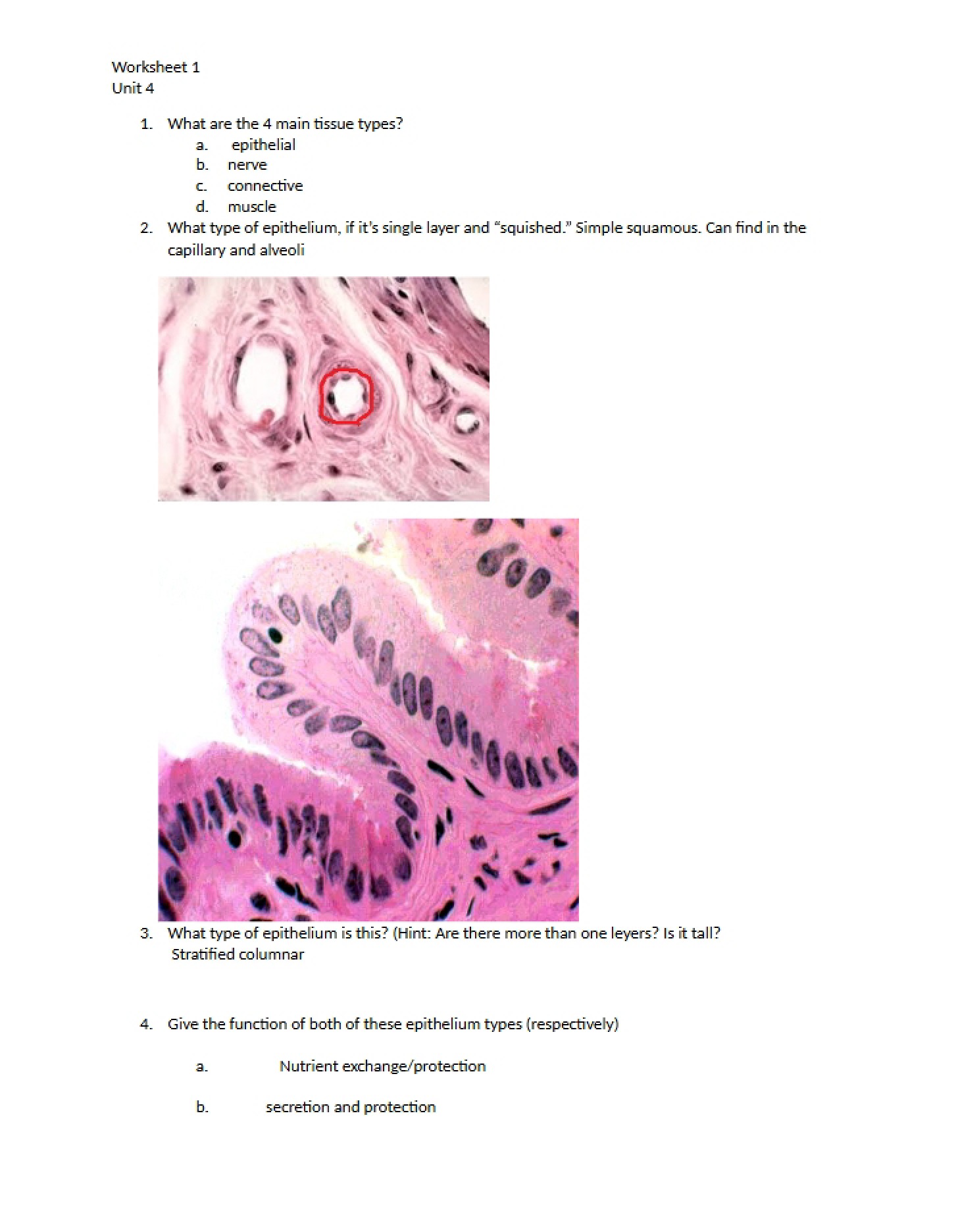
* An introduction to the major types of animal tissues: epithelial, connective, muscle, and nervous.
* Key characteristics and functional roles of different subtypes within each animal tissue category.
* A basic introduction to microscope components and their functions.