What This Document Is
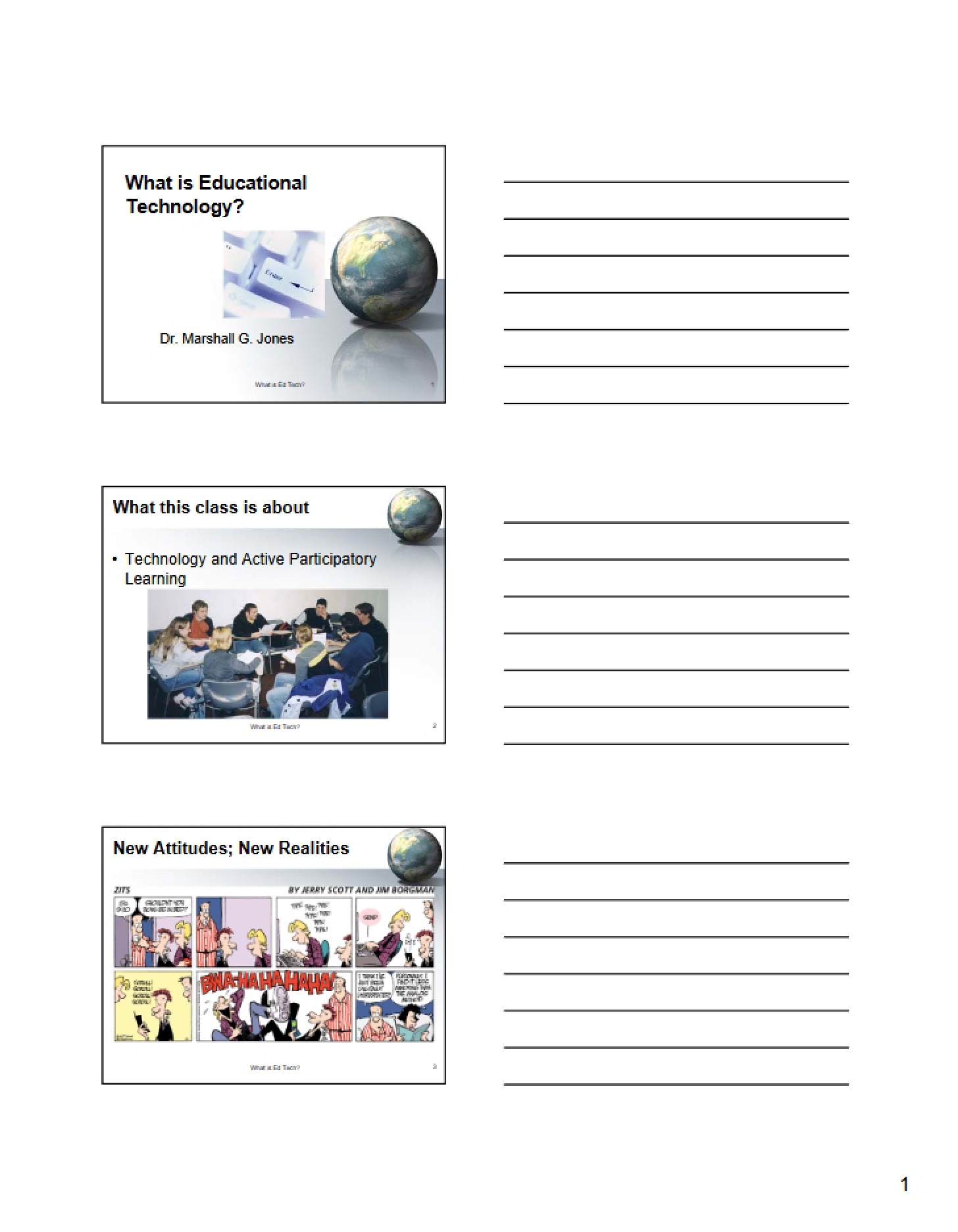
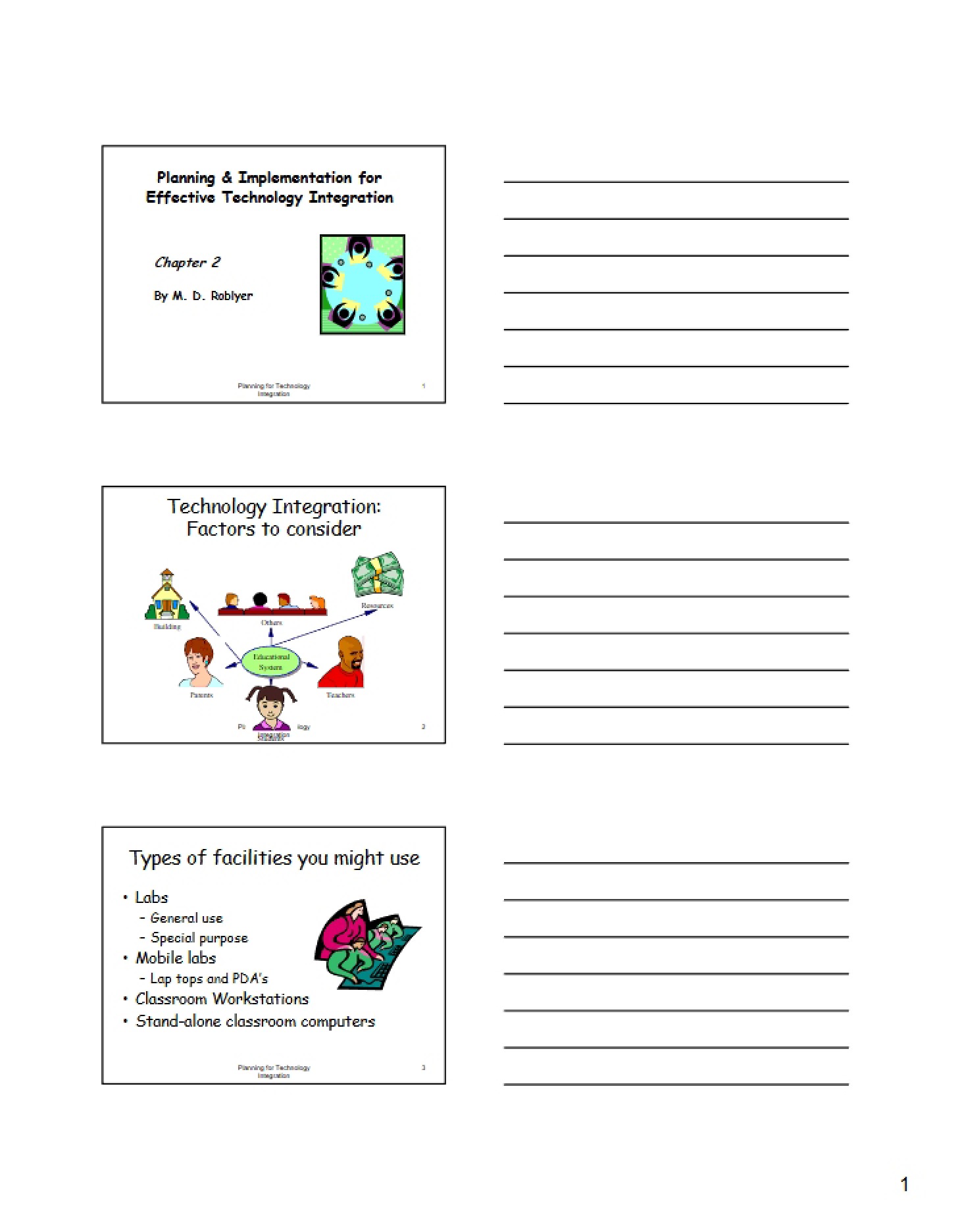
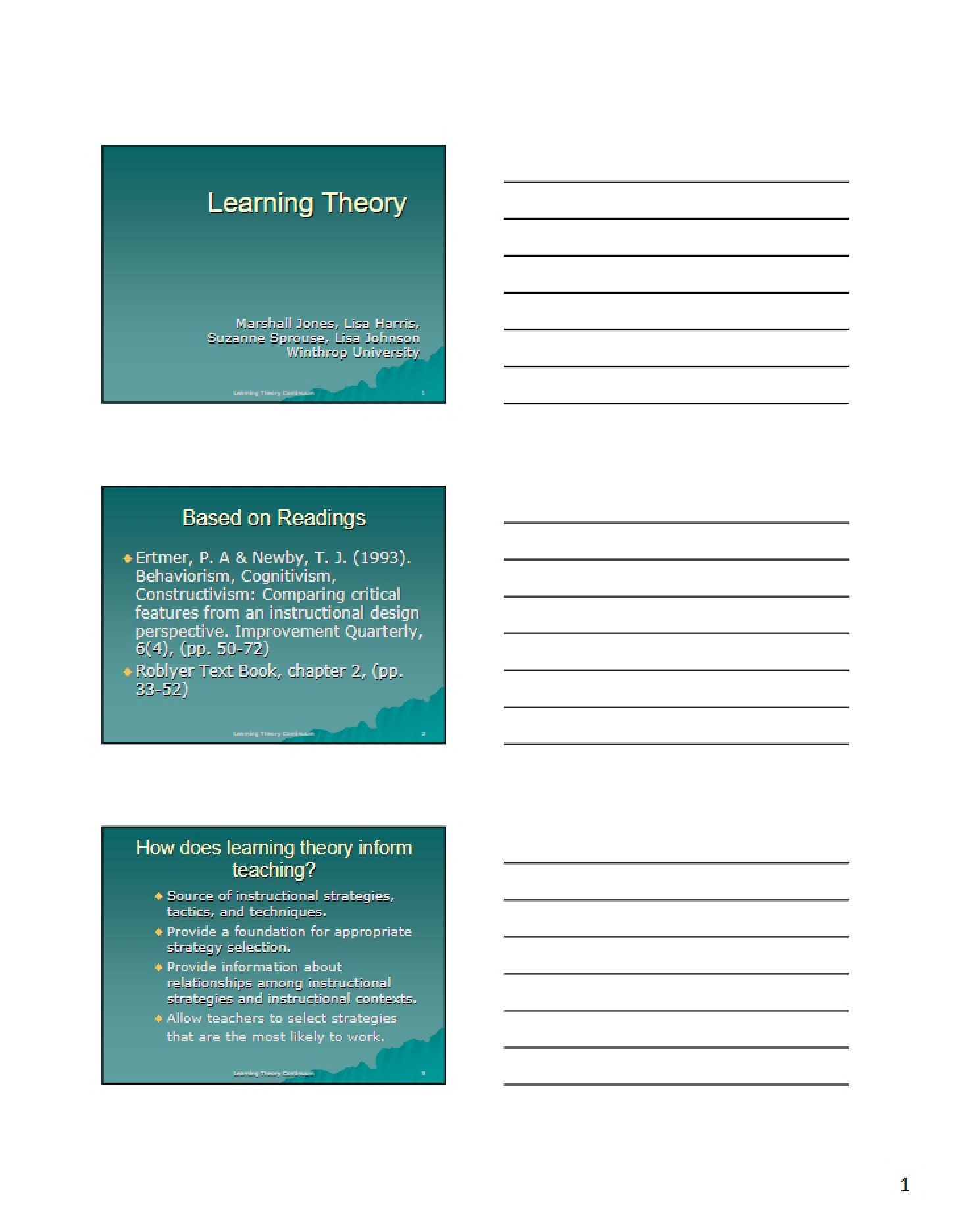
This study guide delves into the historical foundations of active and participatory learning strategies commonly used in modern education. It explores the evolution of pedagogical thought, tracing the roots of student-centered approaches back to foundational theories in communication and instructional design. The material examines key models and frameworks that have shaped how educators understand the learning process and how to effectively engage students. It’s designed for students in EDUC 275 at Winthrop University, focusing on integrating technology to enhance teaching and learning.
Why This Document Matters
This resource is invaluable for anyone seeking a deeper understanding of *why* certain teaching methods are effective. It’s particularly helpful for pre-service teachers, current educators looking to refine their practice, or anyone interested in the theoretical underpinnings of instructional strategies. Understanding these historical antecedents provides a crucial context for implementing technology in the classroom – allowing for informed decisions about *how* and *when* to leverage tools for maximum impact. It’s most beneficial when studying instructional design, educational psychology, or curriculum development.
Common Limitations or Challenges
This guide focuses on the historical development of concepts. It does not offer step-by-step instructions for implementing specific active learning techniques. It also doesn’t provide a comprehensive overview of current technological tools; rather, it lays the groundwork for understanding how technology can be thoughtfully integrated based on established learning principles. The document presents foundational theories, but doesn’t offer critiques or contemporary debates surrounding them.
What This Document Provides
* An exploration of foundational communication models and their application to education.
* An overview of influential frameworks for instructional design, including a detailed look at “Events of Instruction.”
* Analysis of visual models representing levels of learning experiences and their implications for instructional planning.
* Discussion of the importance of shared experiences and minimizing interference in the learning process.
* Insights into how historical perspectives can inform the design of student-centered learning environments.