What This Document Is
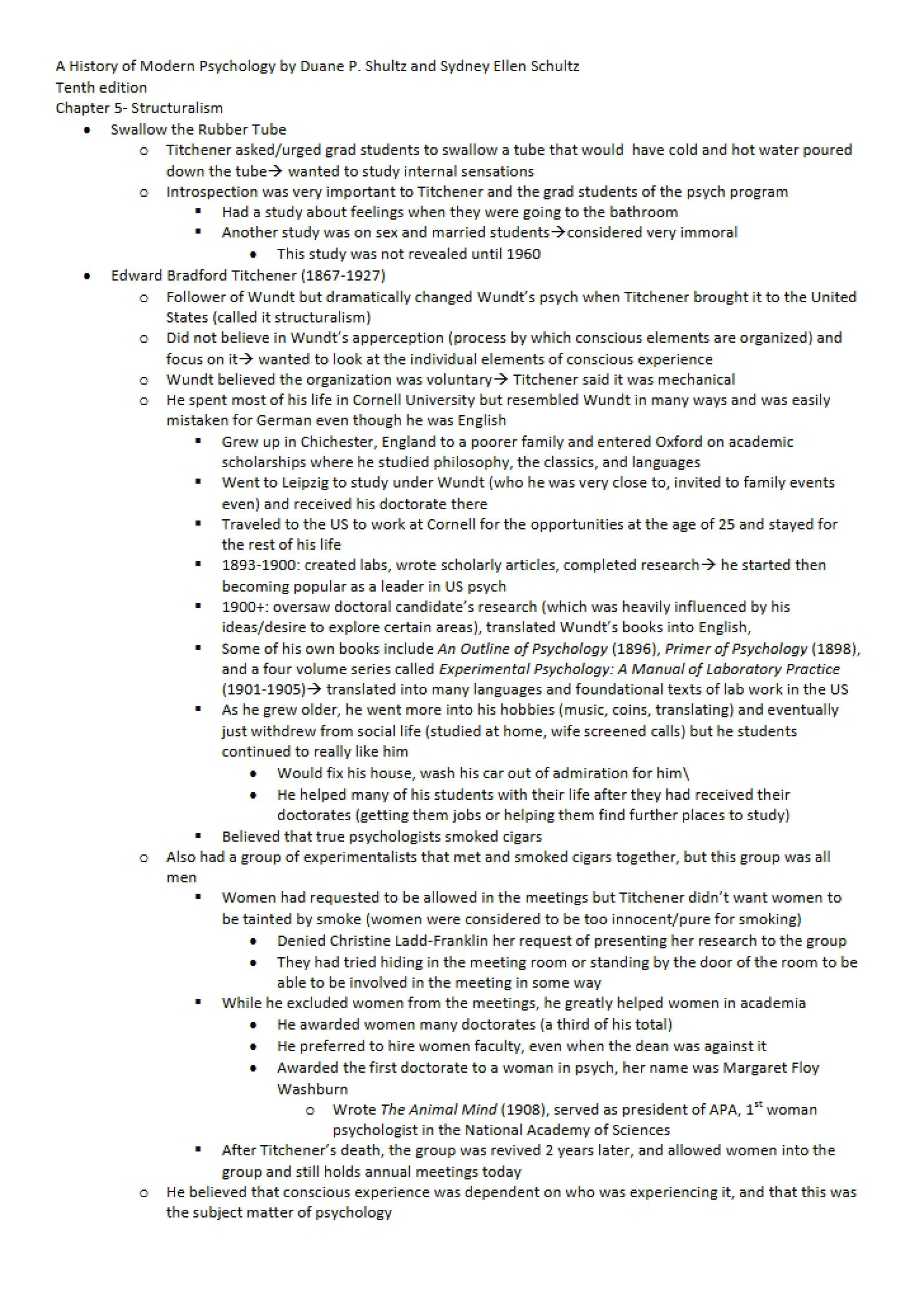
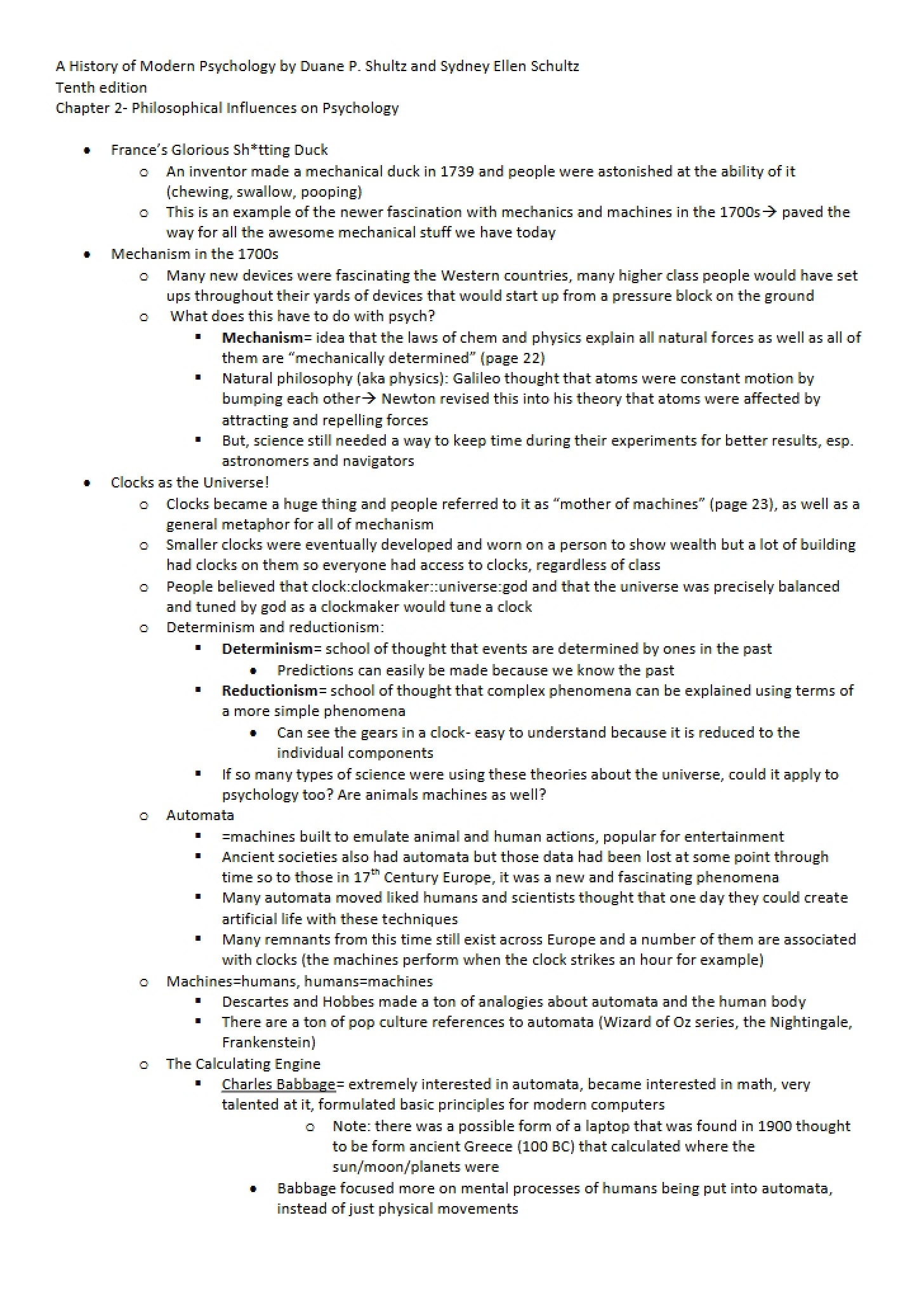
This study guide offers a foundational exploration into the historical development of psychology as a discipline. Specifically, it delves into the origins and evolution of thought within the field, beginning with early philosophical roots and tracing its progression through the 19th and 20th centuries. It examines the forces – intellectual, societal, and even political – that have shaped psychological theory and practice. This material is geared towards students in a History and Systems of Psychology course, providing context for understanding modern psychological approaches.
Why This Document Matters
Students enrolled in PSY 3121 at the University of Minnesota Twin Cities, or similar courses at other institutions, will find this resource particularly valuable. It’s ideal for those seeking a comprehensive overview of the historical underpinnings of key psychological schools of thought. Use this guide to prepare for lectures, deepen your understanding of assigned readings, and build a strong foundation for more advanced study. It’s especially helpful when trying to grasp *why* certain theories emerged and how they relate to the broader historical context.
Common Limitations or Challenges
This guide is designed to *supplement* course materials, not replace them. It does not offer detailed analyses of specific experiments or biographical details of every influential figure. It also doesn’t provide a complete, exhaustive timeline of every event in psychology’s history. The complexities of historical interpretation and the challenges of accessing reliable historical data are acknowledged, but a full discussion of historiographical debates is beyond the scope of this resource.
What This Document Provides
* An overview of the rationale for studying the history of psychology.
* Discussion of the unique challenges faced when researching the history of psychological thought.
* Exploration of the influence of broader cultural and societal trends on the development of the field.
* Insight into the impact of external factors – such as war and immigration – on psychological research and application.
* Consideration of the historical biases and systemic barriers faced by certain groups within the field.