What This Document Is
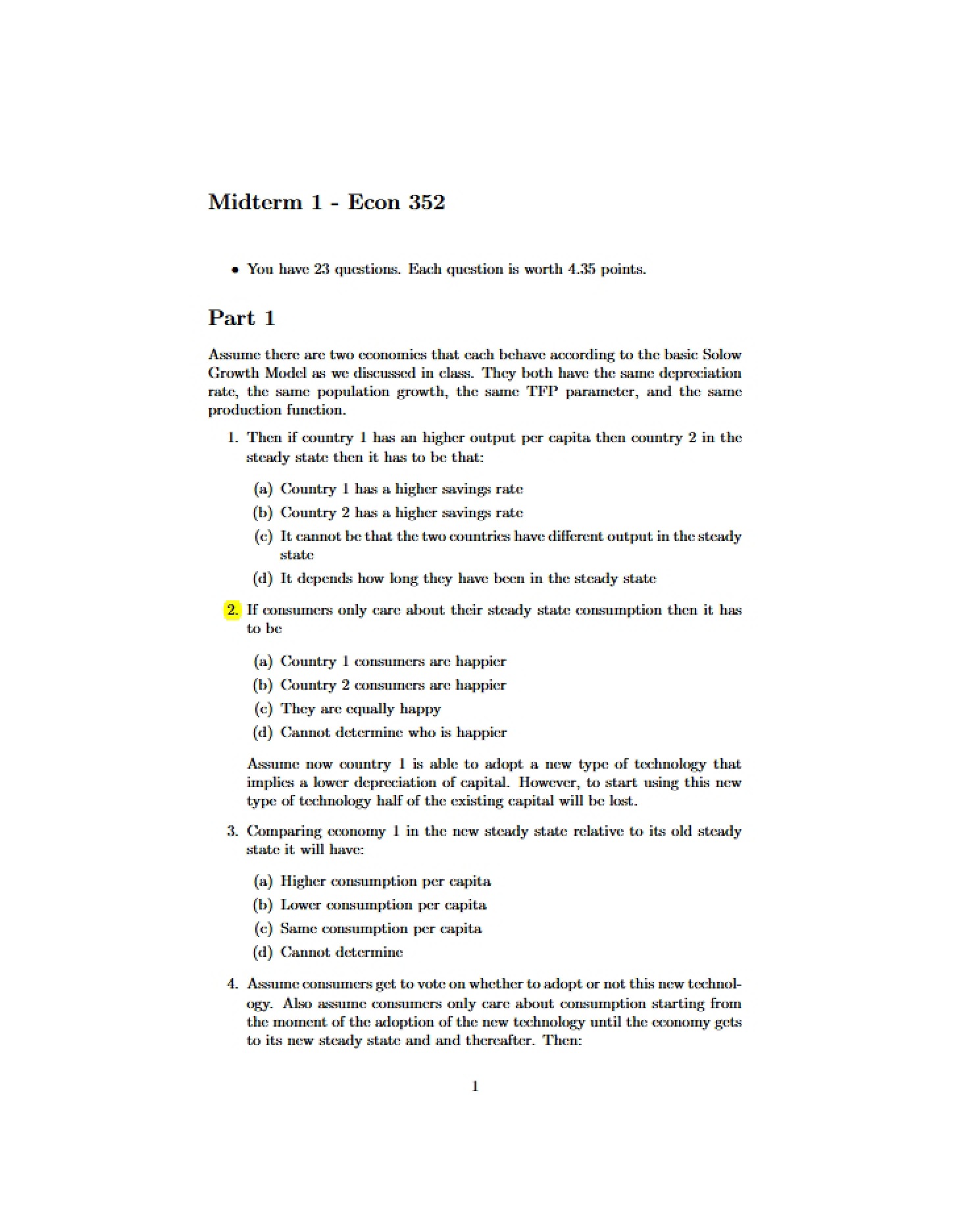
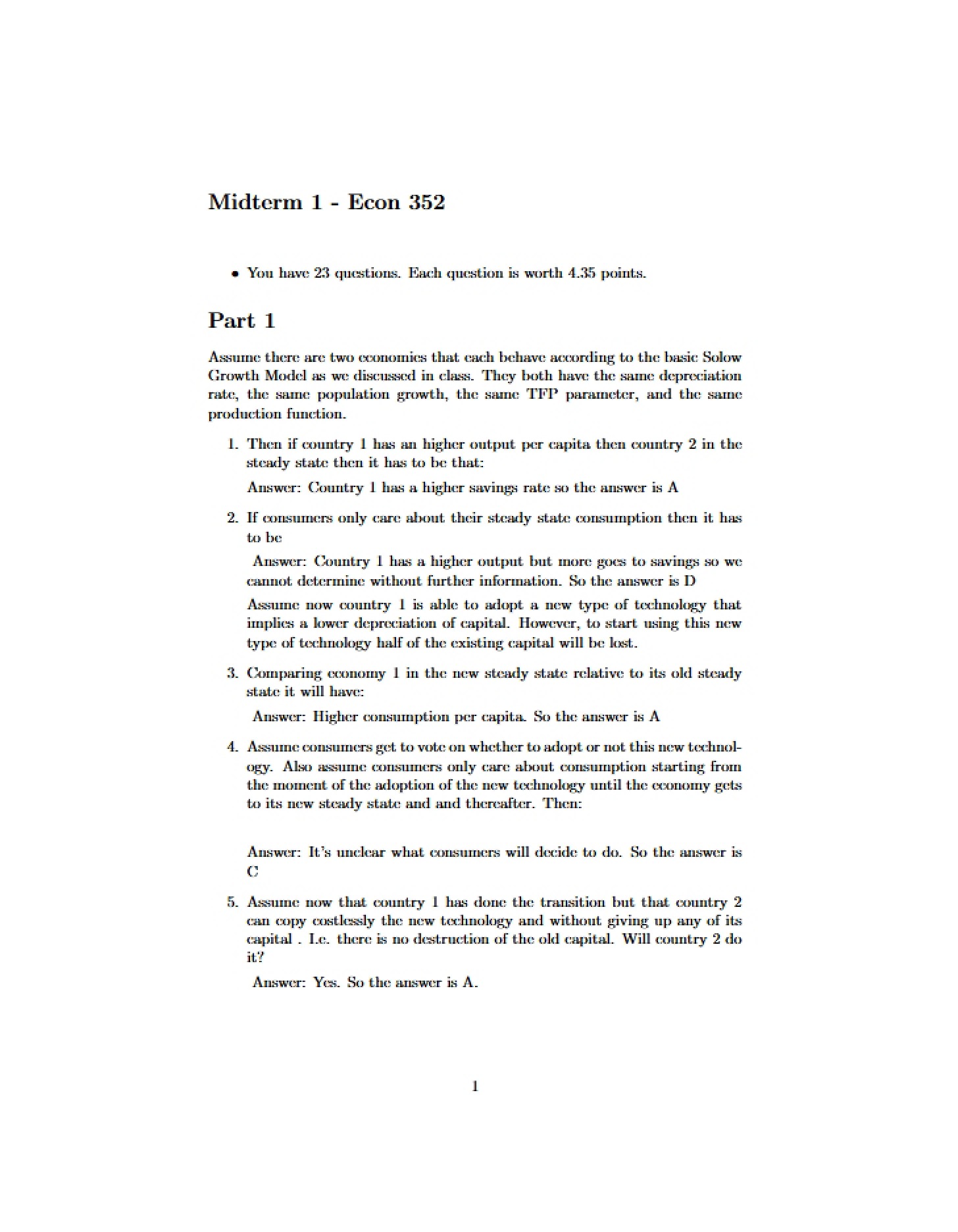
This study guide focuses on core principles within Macroeconomics for Business, specifically designed for students at the University of Southern California (ECON 352x). It’s structured as a problem set – a homework assignment – intended to reinforce theoretical concepts through practical application. The material centers around production functions, elasticity, and how changes in factors of production impact overall output. It delves into scenarios involving business operations and the analysis of capital and labor contributions.
Why This Document Matters
This resource is invaluable for students seeking to solidify their understanding of production theory and its relevance to real-world business decisions. It’s particularly helpful when tackling assignments or preparing for assessments that require applying macroeconomic models to practical situations. Students who struggle with interpreting the relationship between inputs and outputs, or calculating and understanding elasticities, will find this a useful companion to their course materials. It’s best used *after* initial lectures and readings on production functions to test and refine comprehension.
Common Limitations or Challenges
This document does *not* provide a comprehensive overview of all macroeconomic principles. It concentrates specifically on production functions and related concepts. It also assumes a foundational understanding of microeconomic principles, particularly regarding elasticity. While designed to be self-contained within the context of the course, it doesn’t replace the need for active participation in lectures and thorough review of assigned readings. It focuses on problem-solving and doesn’t offer extensive theoretical derivations.
What This Document Provides
* A series of analytical exercises centered around production function analysis.
* Scenarios involving hypothetical business operations and the impact of changes in capital and labor.
* Opportunities to explore the properties of different production function forms.
* A framework for understanding how to interpret the productivity of factors of production.
* A focus on the relationship between production functions and elasticity calculations.