What This Document Is
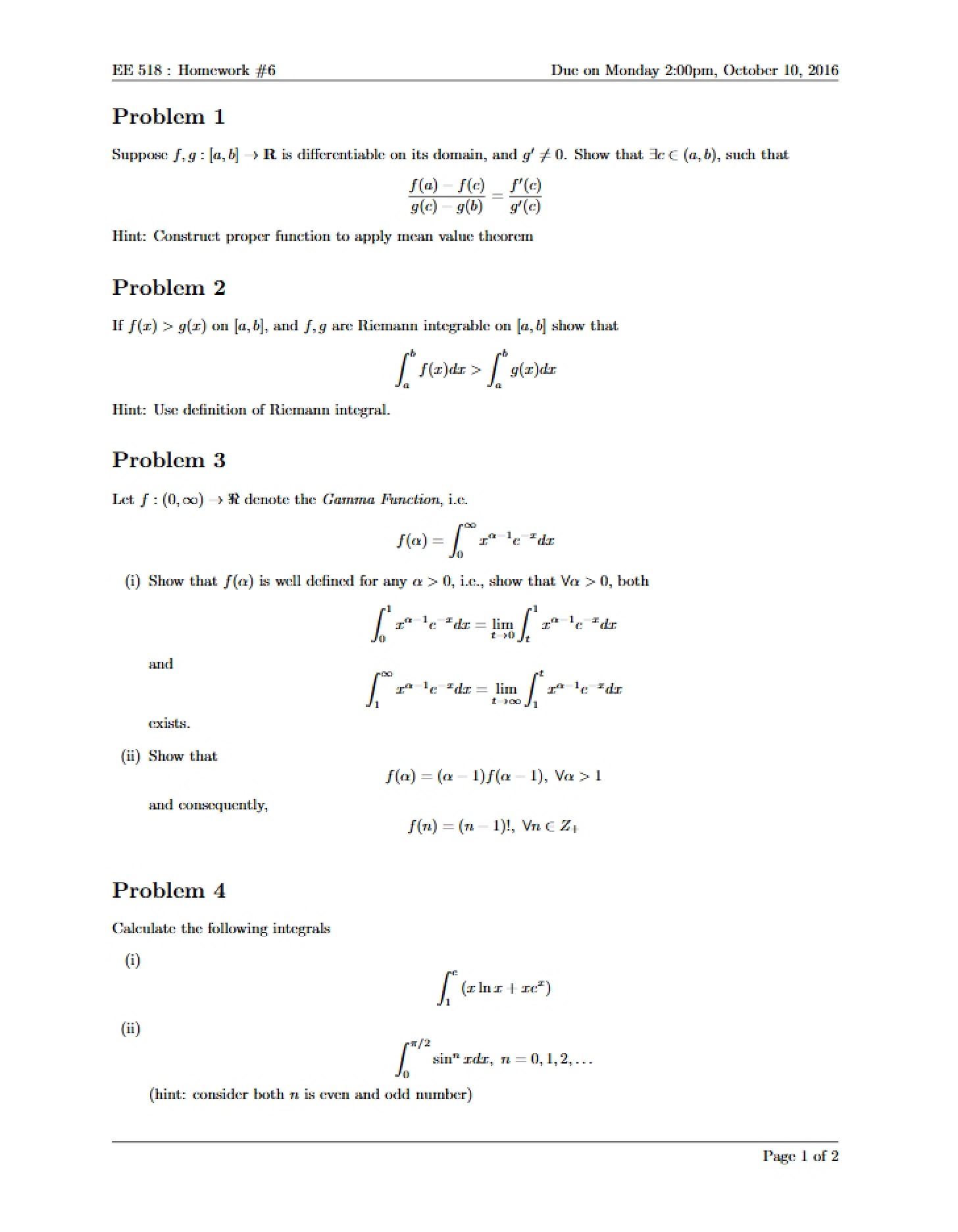
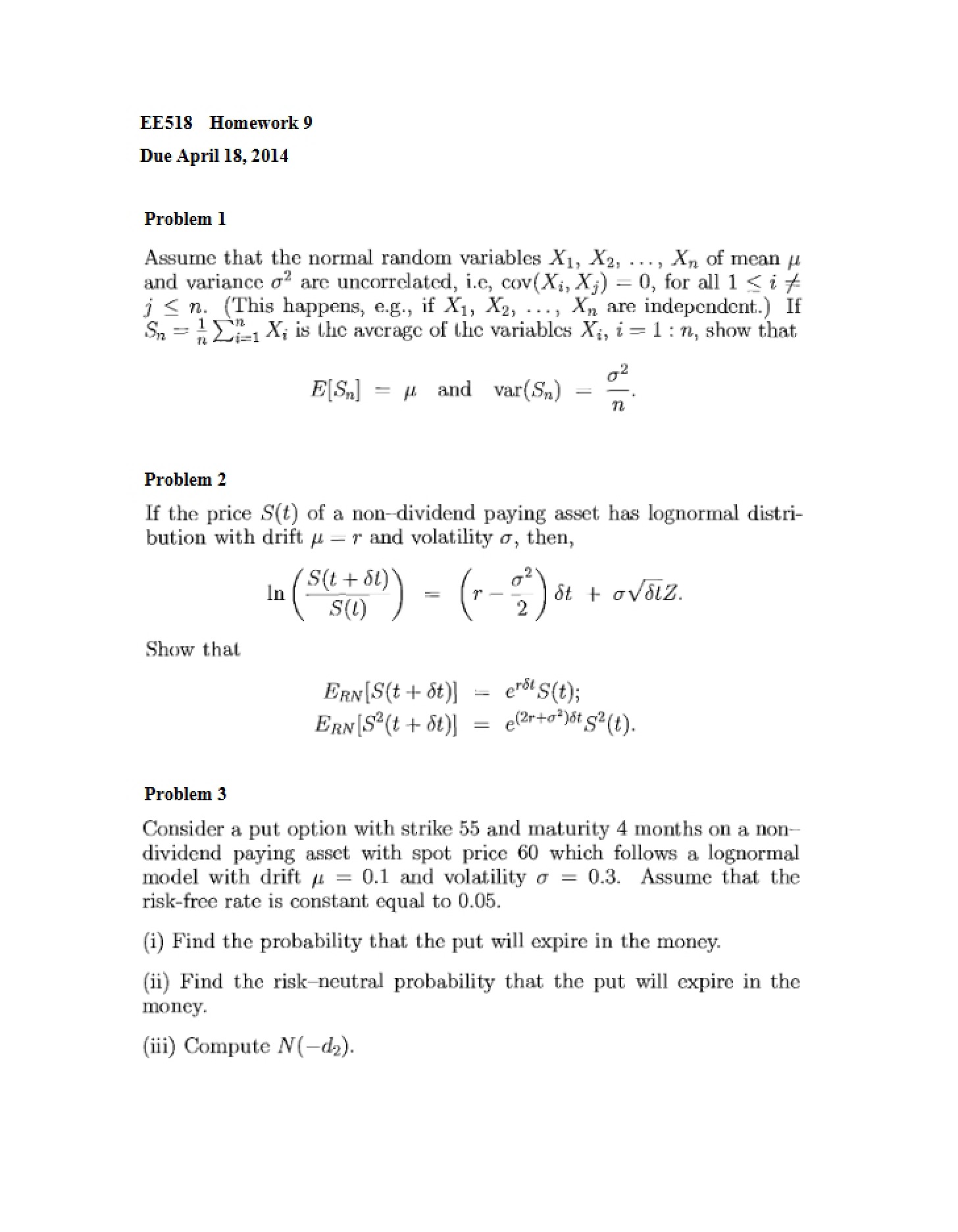
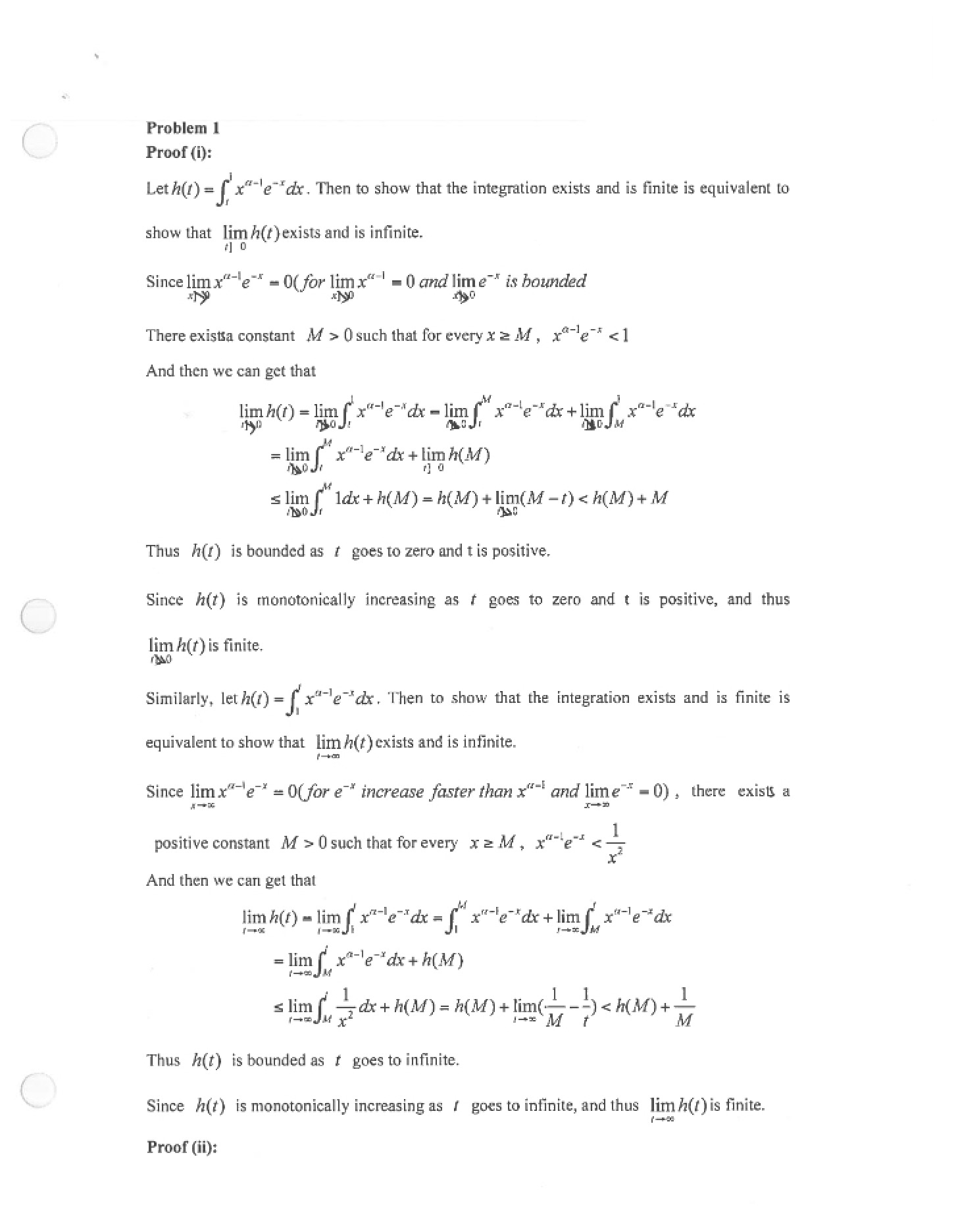
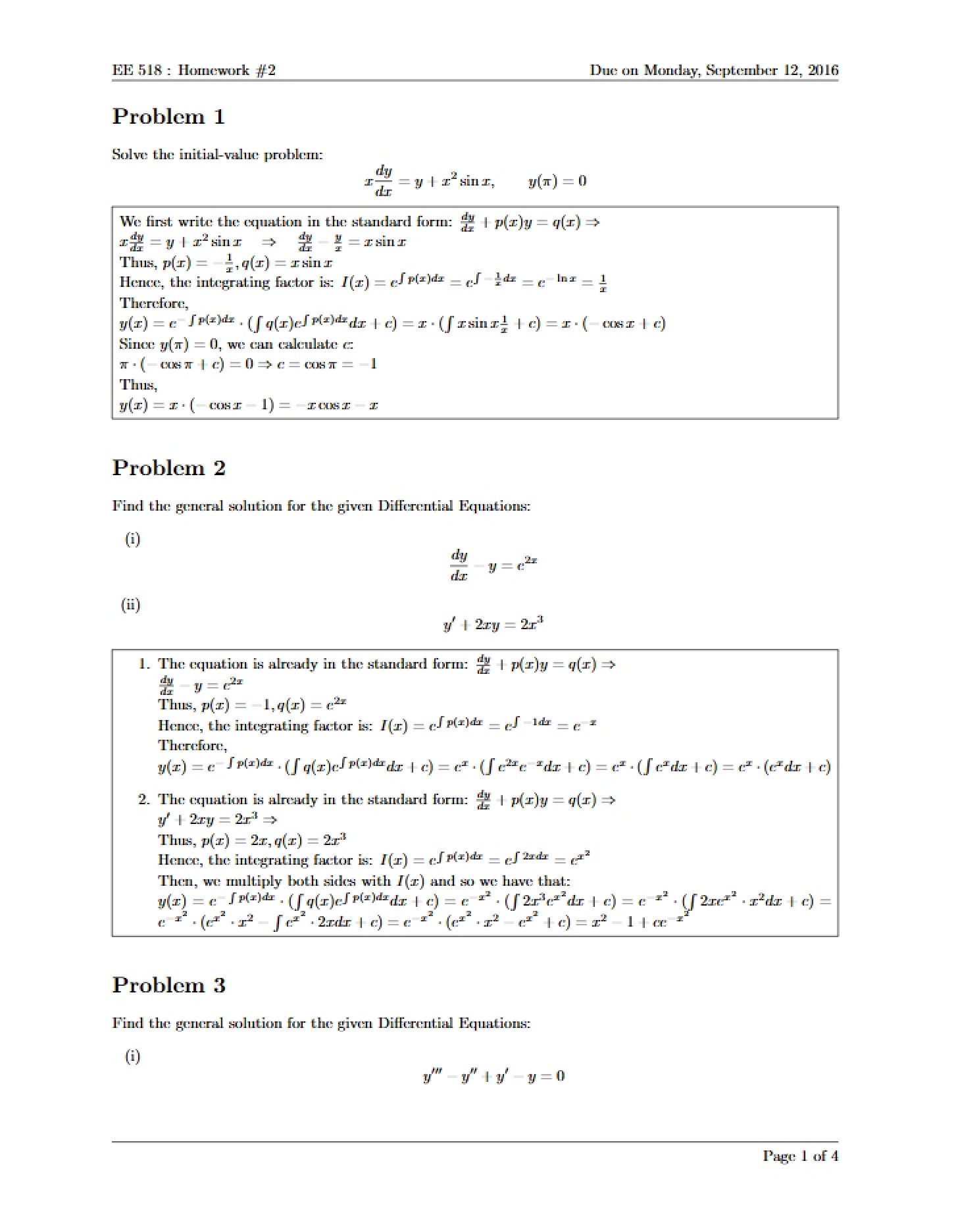
This study guide provides detailed worked solutions to a set of challenging problems from EE 518: Mathematics and Tools For Financial Engineering, offered at the University of Southern California. Specifically, it focuses on Homework Eleven, covering advanced topics in financial modeling and quantitative analysis. The material centers around applying mathematical techniques to solve real-world financial problems.
Why This Document Matters
This resource is invaluable for students enrolled in EE 518 or similar financial engineering courses. It’s particularly helpful when you’re looking to solidify your understanding of complex concepts and verify your problem-solving approach. Use this guide after attempting the homework problems yourself – reviewing the solutions can illuminate alternative methods and identify areas where your foundational knowledge might need strengthening. It’s also a useful tool for exam preparation, helping you anticipate the types of questions and level of rigor expected.
Common Limitations or Challenges
This guide presents completed solutions; it does *not* offer step-by-step explanations of the initial problem setup or conceptual derivations. It assumes you have already engaged with the course material and attempted the problems independently. Furthermore, while the solutions demonstrate the application of specific techniques, it doesn’t provide a comprehensive review of the underlying mathematical principles. Access to the full solutions requires a separate purchase.
What This Document Provides
* Detailed solutions to problems involving constrained optimization techniques applied to financial functions.
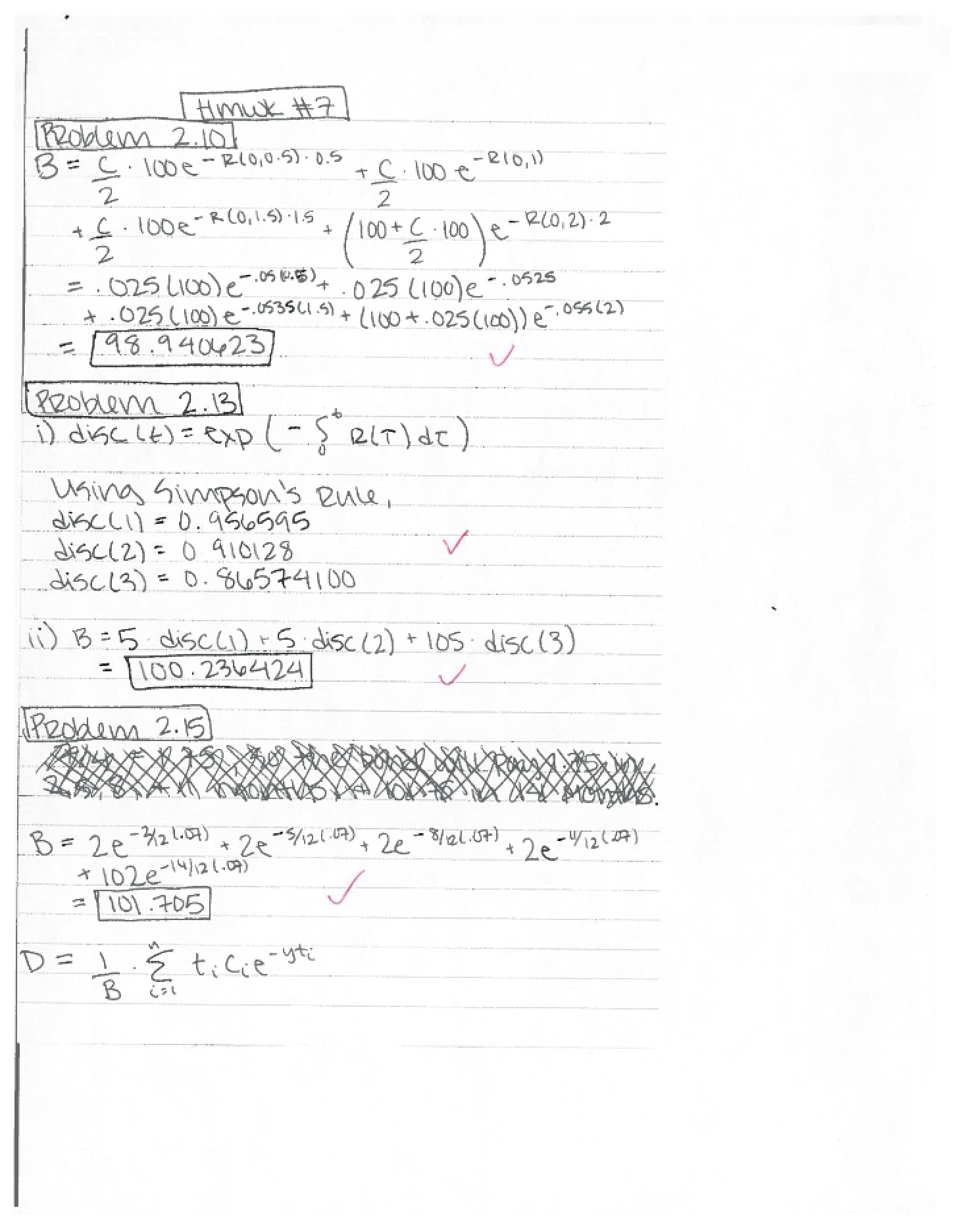
* Applications of Newton’s method for yield calculations in bond valuation.
* Problem breakdowns related to bond duration and convexity analysis.
* A walkthrough of bootstrapping methods used to construct zero-rate curves from market data.
* Discussion of the impact of compounding frequency on zero-rate curve construction.
* Solutions addressing Treasury bill and bond pricing scenarios.