What This Document Is
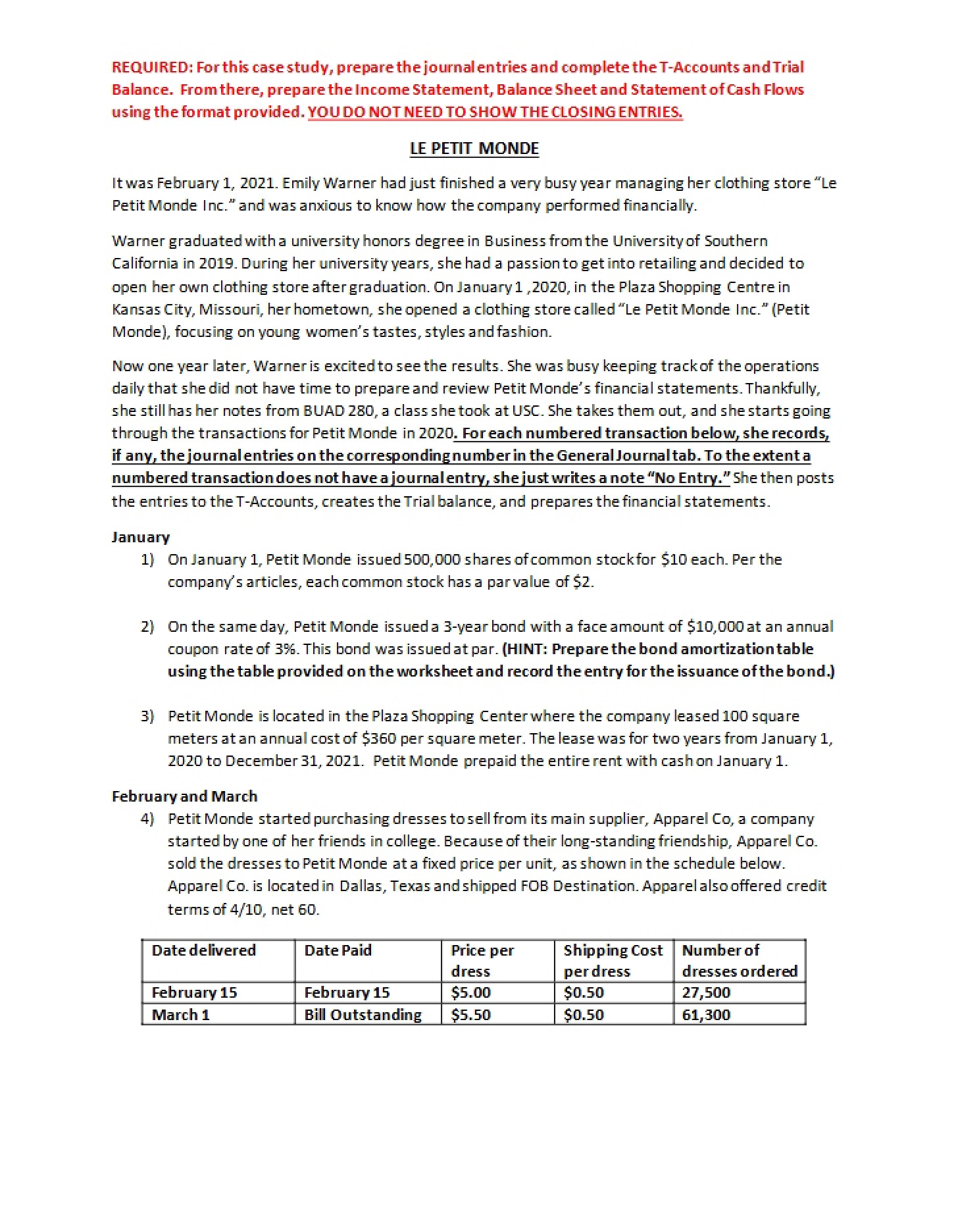
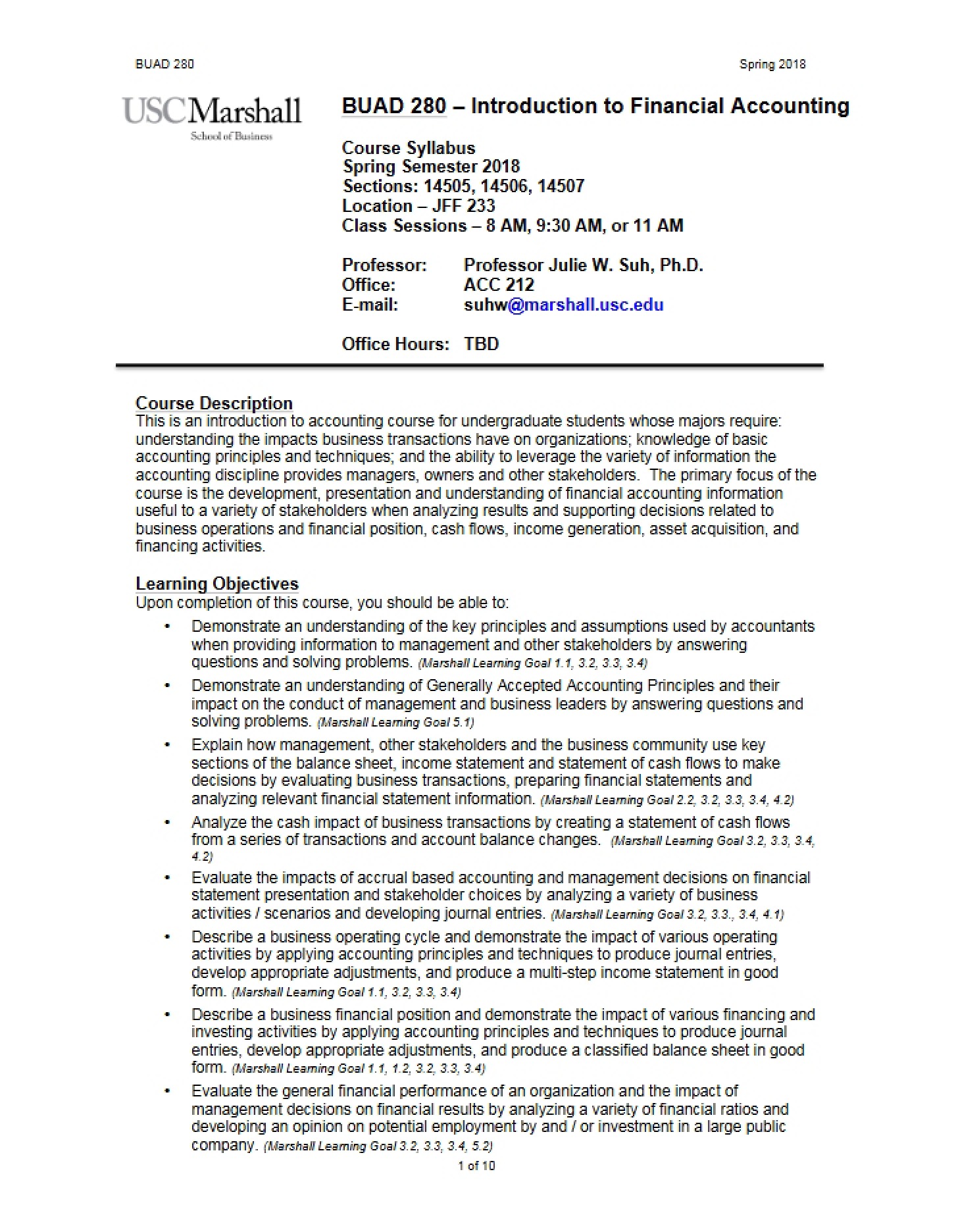
This is a homework assignment designed to reinforce core concepts from an Introduction to Financial Accounting course (BUAD 280 at the University of Southern California). Specifically, it focuses on the application of standard costing principles, a crucial element in managerial accounting. The assignment centers around calculating and interpreting variances – differences between planned (standard) costs and actual costs – related to direct labor and variable overhead. It’s designed to be completed alongside chapter ten materials.
Why This Document Matters
This assignment is ideal for students enrolled in BUAD 280 seeking to solidify their understanding of variance analysis. Successfully completing this work will build a strong foundation for more advanced accounting topics and prepare you for assessments. It’s particularly helpful for students who learn best by applying concepts to practical scenarios. If you're struggling to grasp how to pinpoint inefficiencies in production costs, or how to translate those inefficiencies into quantifiable variances, this assignment will provide valuable practice.
Common Limitations or Challenges
This assignment focuses on the *mechanics* of variance calculation. It does not provide a comprehensive discussion of the underlying reasons *why* variances occur, or how to implement corrective actions. It also assumes a foundational understanding of standard costing terminology and calculations as presented in the course materials. It will not walk you through the initial setup of standard costs; rather, it assumes those standards are already established.
What This Document Provides
* A series of exercises centered around direct labor variance analysis (including efficiency and rate variances).
* Practice calculating variances for variable overhead costs, again focusing on both efficiency and rate components.
* Opportunities to apply variance formulas in different scenarios.
* Structured problems that require comparing standard and actual costs across multiple inputs.
* A framework for analyzing cost performance in a manufacturing environment.