What This Document Is
This document is a focused exploration of horizontal structural systems within the field of architectural engineering. Specifically, it delves into various methods for creating expansive, column-free spaces – a critical consideration in modern building design. It examines the principles behind different load-bearing techniques used in horizontal construction, moving beyond traditional beam and column frameworks. The material is presented with a strong visual component, showcasing real-world architectural examples.
Why This Document Matters
This resource is invaluable for students in structural engineering, architecture, and construction management courses, particularly those focusing on advanced building systems. It’s most beneficial when studying the practical application of structural theories, or when preparing to design large-span structures like sports arenas, auditoriums, or transportation hubs. Professionals seeking a refresher on innovative horizontal construction techniques will also find it useful. Understanding these concepts is crucial for creating safe, efficient, and aesthetically compelling building designs.
Common Limitations or Challenges
This material concentrates on the *types* of horizontal structures and their conceptual underpinnings. It does not offer detailed calculations, step-by-step design procedures, or specific material specifications. It also doesn’t cover the full range of seismic design considerations – that is a separate, related area of study. The document assumes a foundational understanding of statics, mechanics of materials, and basic structural analysis.
What This Document Provides
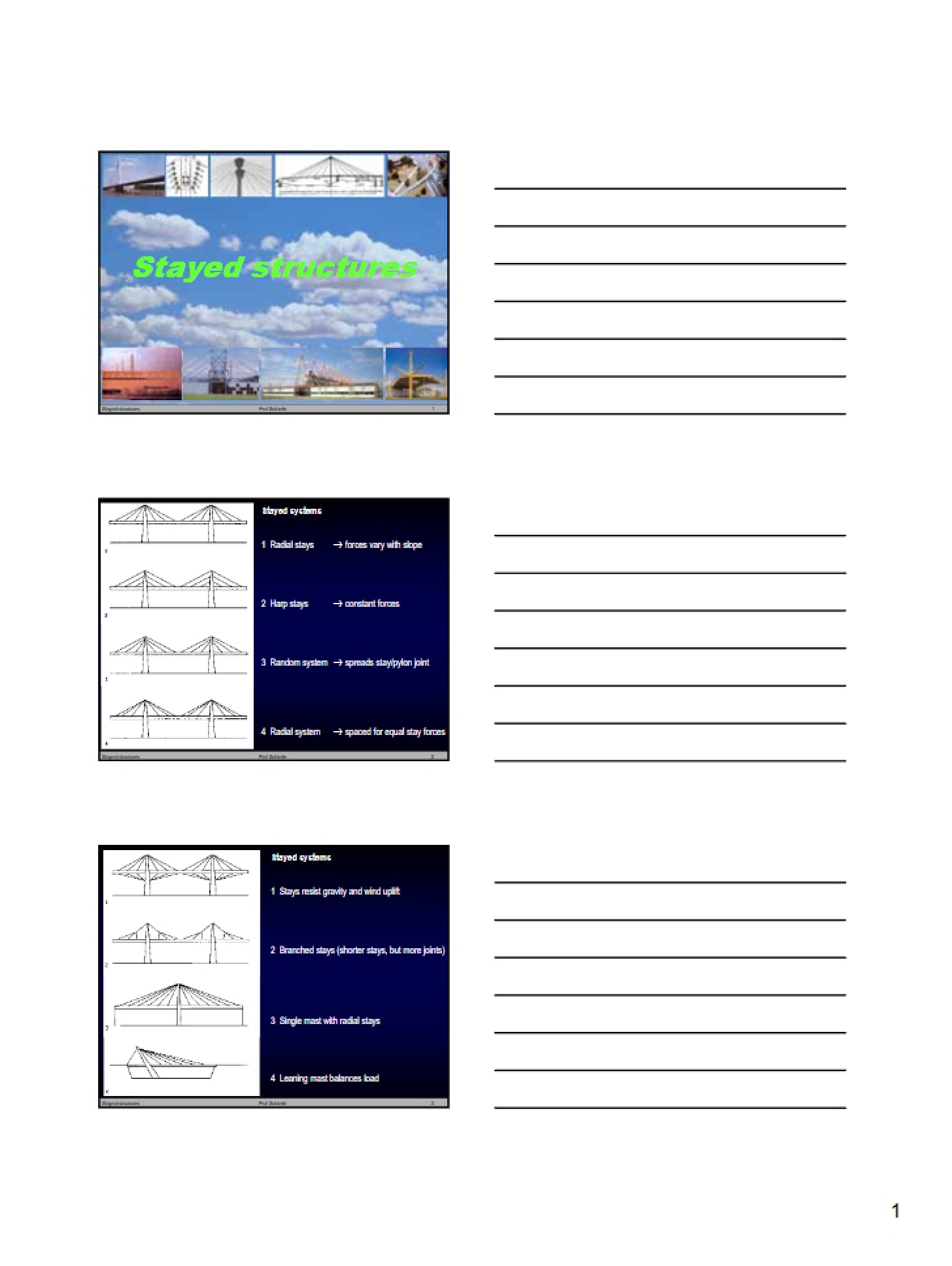
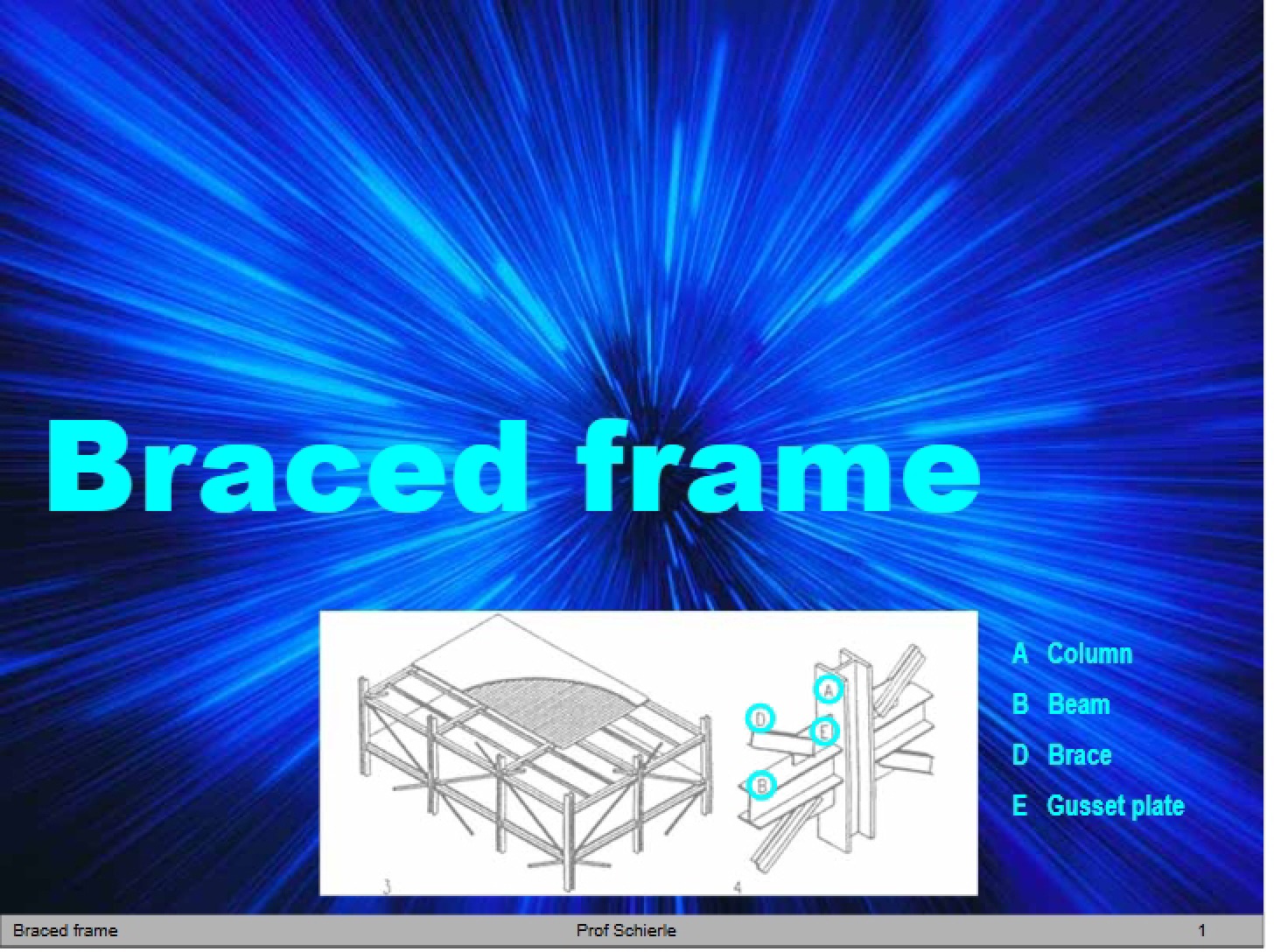
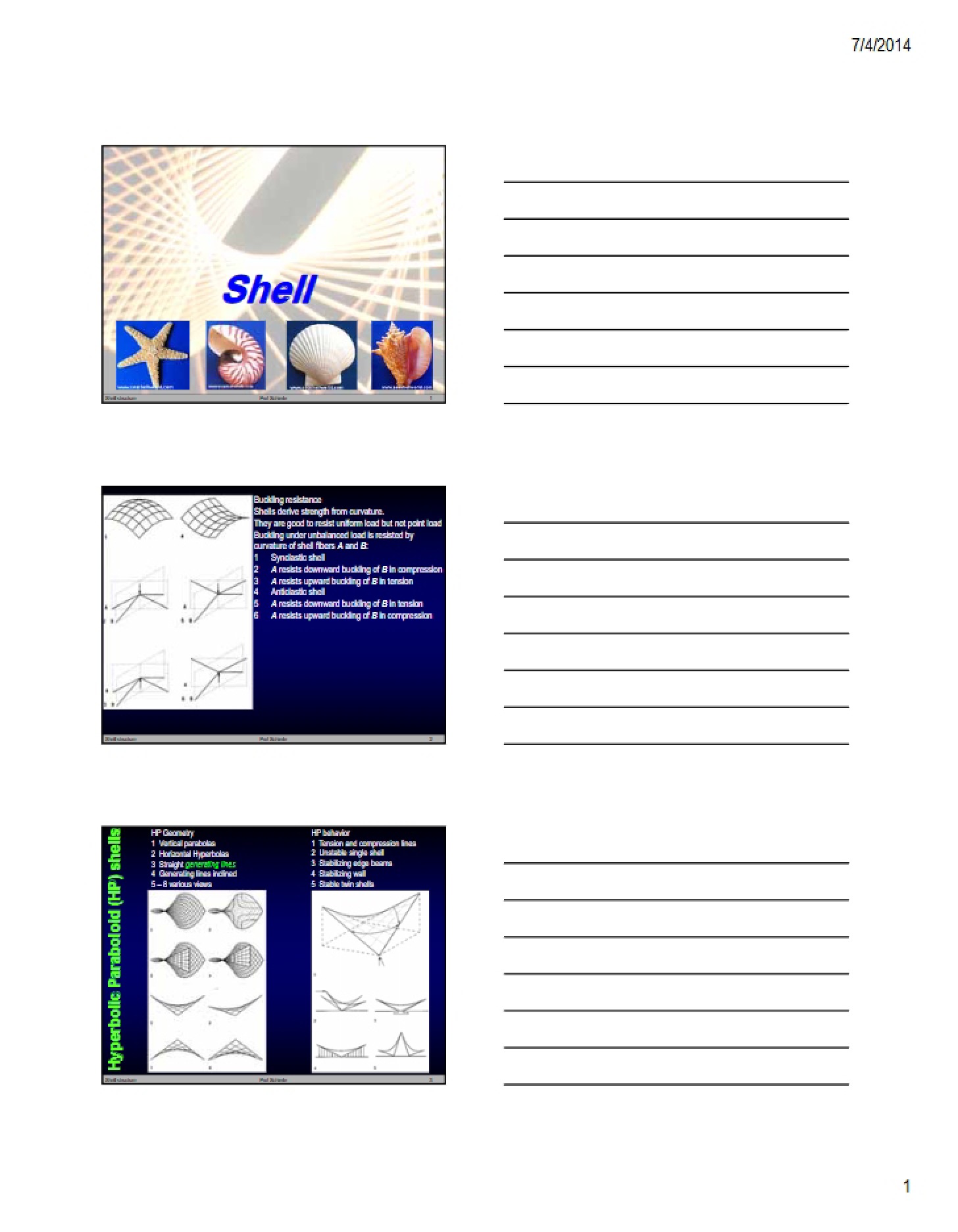
* An overview of various horizontal structural systems, including folded plates and Vierendeel frames.
* Case studies of internationally recognized buildings that exemplify innovative horizontal construction.
* Visual references to architectural projects, illustrating the application of different structural approaches.
* Discussion of the advantages and disadvantages of different systems in relation to span length and load distribution.
* Insights into the role of engineers and architects in realizing complex horizontal structures.