What This Document Is
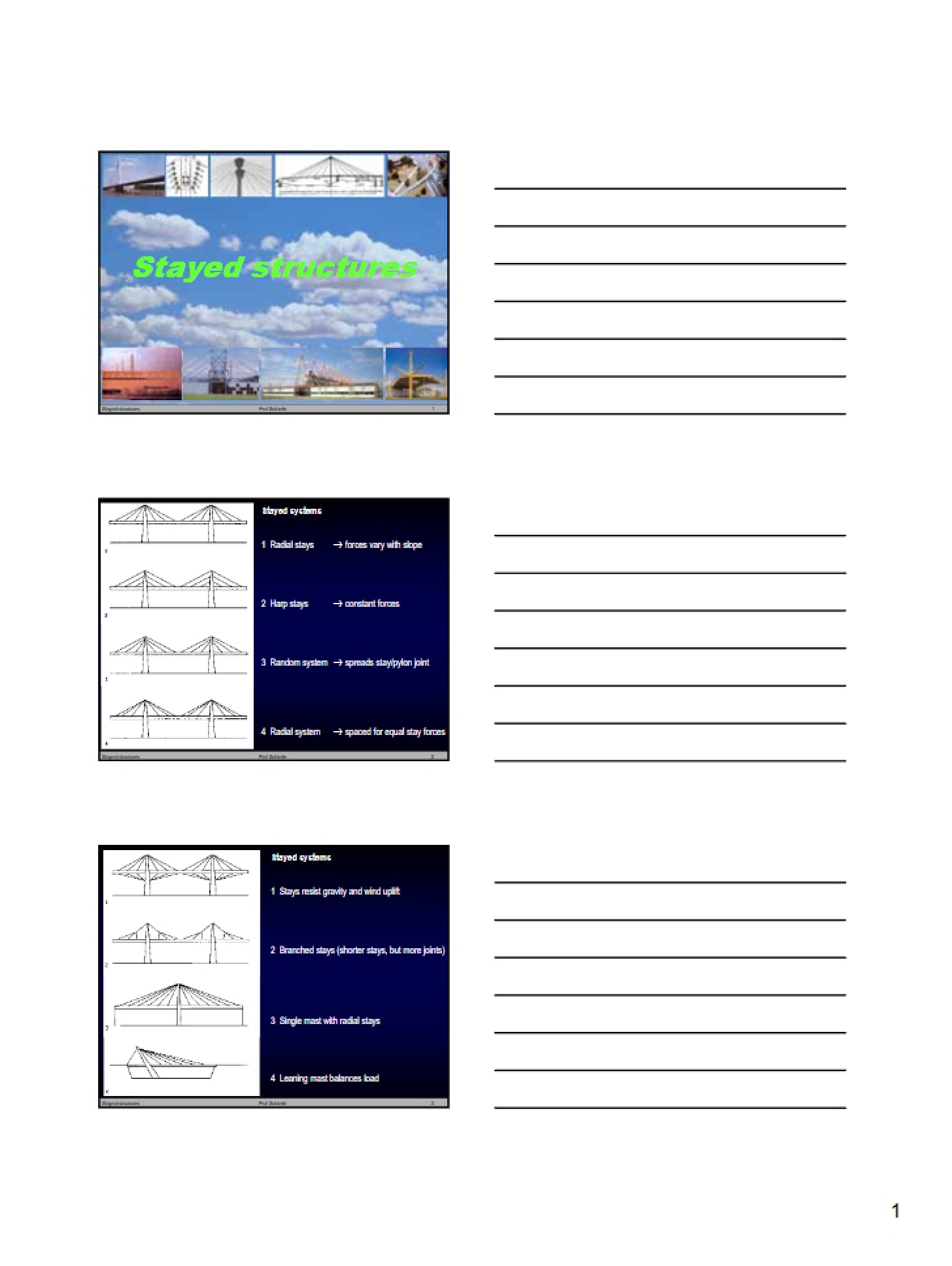
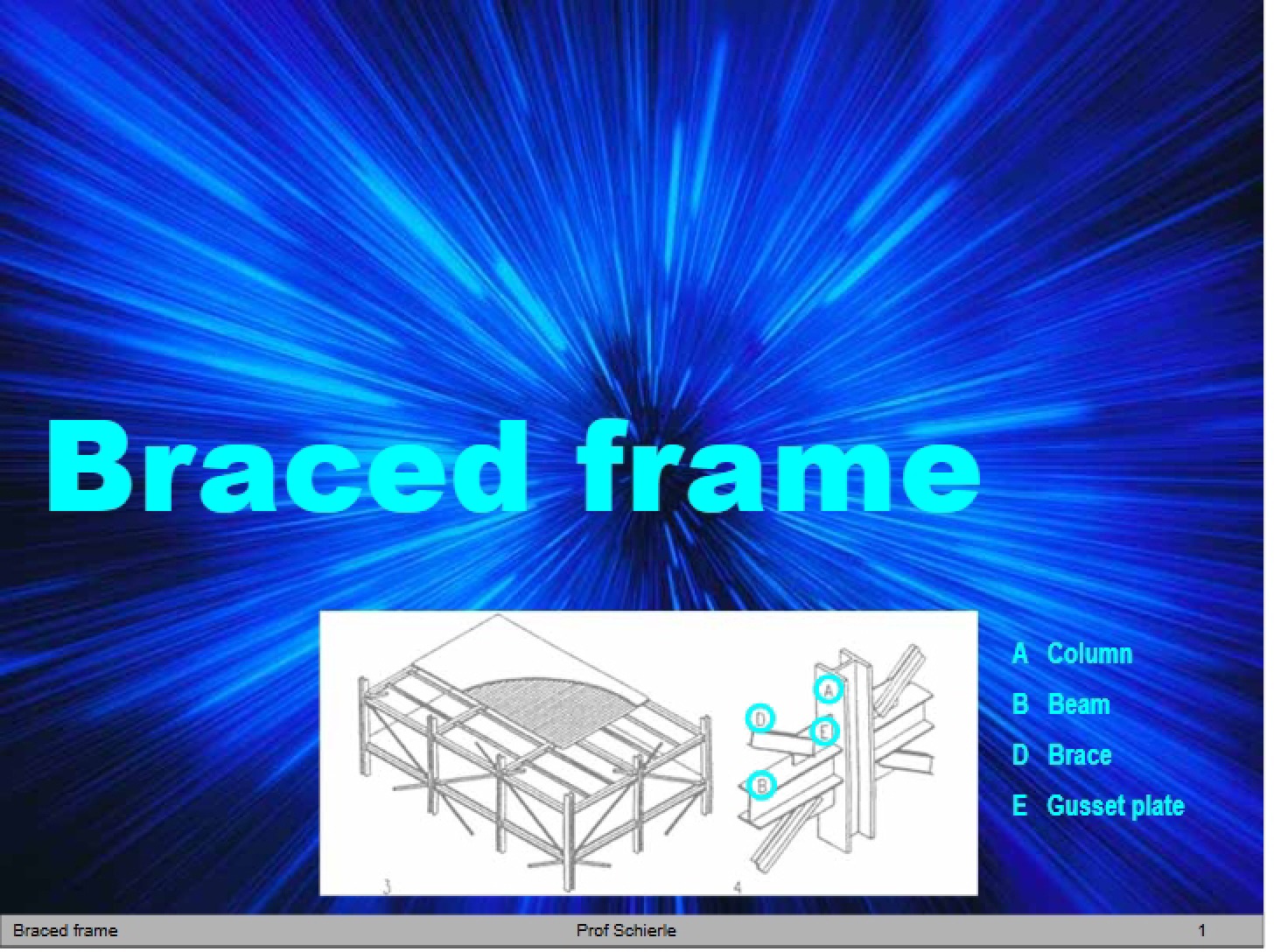
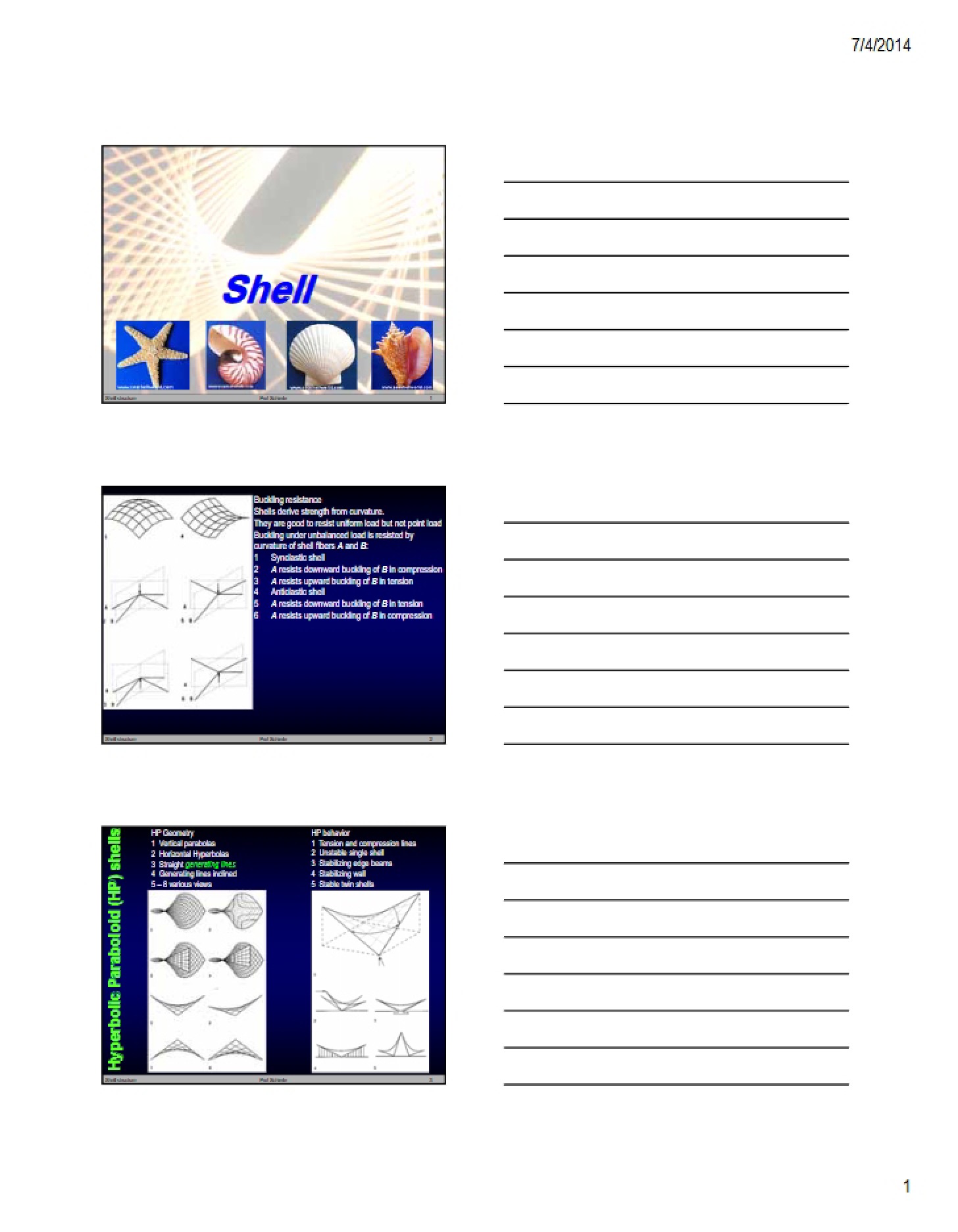
This resource is a focused exploration of horizontal structural systems within the field of architectural engineering, specifically geared towards the principles of seismic design. It delves into the application of various structural approaches used in large-span buildings and public spaces. The material presents a curated collection of case studies, examining real-world architectural projects that showcase innovative uses of horizontal load-bearing elements. It’s intended to build a strong understanding of how architects and engineers collaborate to create stable and resilient structures.
Why This Document Matters
This is a valuable resource for students in advanced architectural engineering courses, particularly those concentrating on structural systems and seismic performance. It’s ideal for students preparing for design projects involving significant spans, complex geometries, or locations prone to seismic activity. Professionals seeking inspiration or a refresher on diverse structural solutions will also find this helpful. Understanding these systems is crucial for anyone aiming to design safe, efficient, and aesthetically compelling buildings. It’s particularly relevant when considering the challenges of modern architecture and the need for sustainable, resilient designs.
Common Limitations or Challenges
This resource focuses specifically on *horizontal* structural systems and does not provide comprehensive coverage of vertical load-bearing elements or foundation design. It presents a range of project examples, but does not offer detailed step-by-step calculations or construction methodologies. While it highlights the engineering principles at play, it doesn’t substitute for a thorough understanding of structural analysis software or building codes. Access to this material will not provide complete design solutions, but rather a foundation for informed design decisions.
What This Document Provides
* A curated selection of architectural projects demonstrating diverse horizontal structural systems.
* Illustrative examples of how structural choices impact architectural form and spatial possibilities.
* Insights into the work of prominent architects and engineers known for innovative structural design.
* Exploration of different materials and techniques used in large-span construction.
* Discussion of the challenges and considerations involved in designing for seismic resilience.
* Case studies covering a range of building types, including sports arenas, transportation terminals, exhibition halls, and cultural centers.