What This Document Is
These are comprehensive study notes for BIOMED 221, Human Anatomy and Physiology at UCLA. This resource consolidates key concepts from the course, offering a structured overview of the human body’s form and function. It’s designed to support learning and review of foundational principles within the field of medical and imaging informatics. The notes are organized around core themes in anatomy and physiology, providing a solid base for understanding complex biological systems.
Why This Document Matters
This study guide is ideal for students enrolled in BIOMED 221 seeking to reinforce their understanding of course material. It’s particularly helpful for those preparing for quizzes, exams, or needing a concise reference for complex topics. Students in medical and imaging informatics will find this resource valuable as it establishes the essential biological knowledge required for interpreting medical data and understanding physiological processes relevant to imaging techniques. It’s best used alongside lectures and textbooks to enhance comprehension and retention.
Topics Covered
* Fundamental Anatomical Terminology & Body Organization
* The Principles of Homeostasis and Feedback Mechanisms
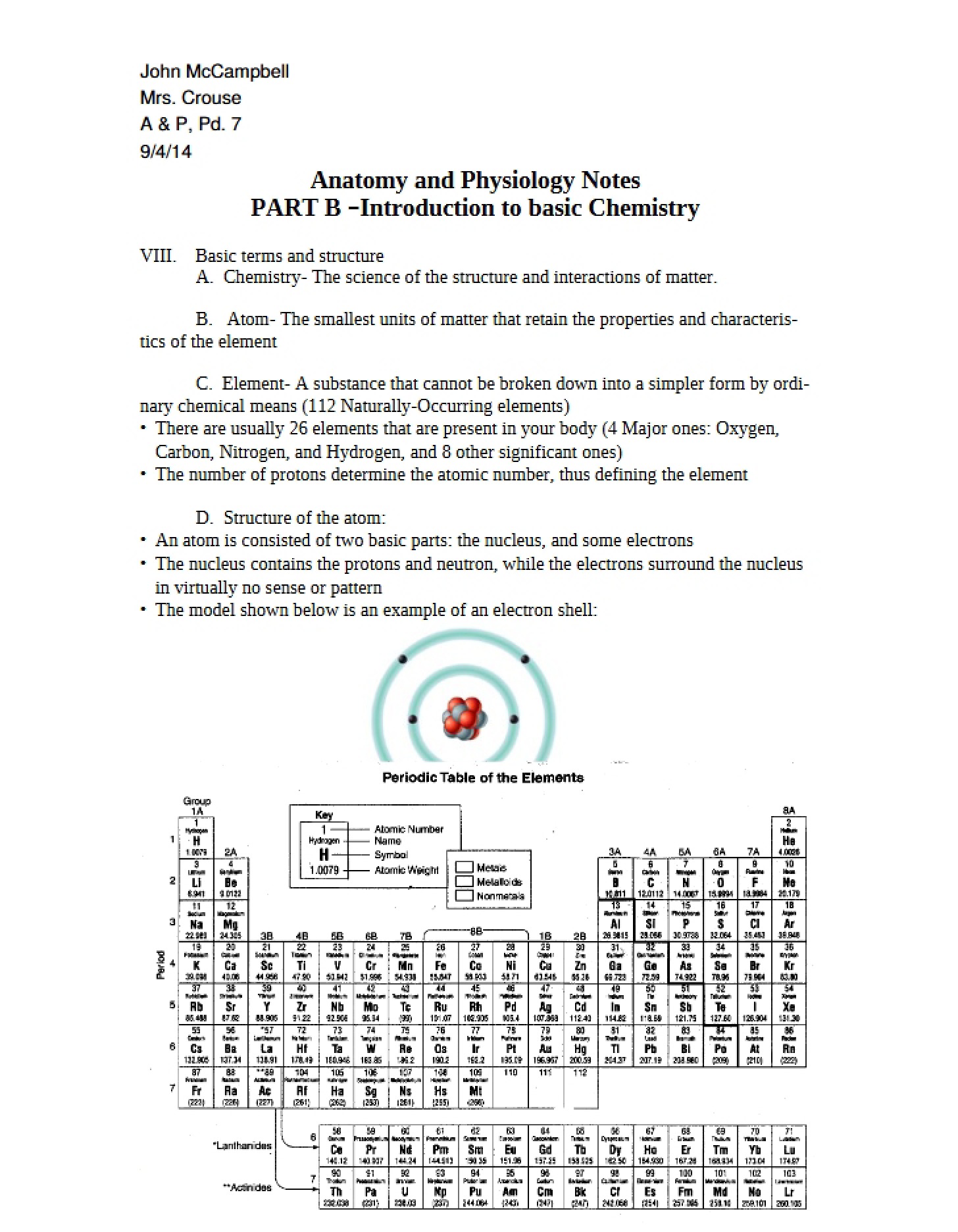
* Basic Chemical Principles Relevant to Biological Systems
* Cellular Structure, Function, and Transport Mechanisms
* The Cell Cycle, Mitosis, and DNA Replication
* Genetic Information Flow and Mutation
* Classification, Structure, and Function of Tissue Types
* Body Membranes and Their Roles
* Overview of Major Organ Systems
* Structure-Function Relationships within Organ Systems
* Homeostatic Imbalances
What This Document Provides
* A logically organized framework for studying human anatomy and physiology.
* Clear connections between anatomical structures and their physiological functions.
* A focused review of essential concepts, aiding in efficient study.
* A resource for identifying key areas for further exploration in textbooks and lectures.
* A foundation for understanding the biological basis of medical and imaging informatics principles.