What This Document Is
This is a lecture resource focusing on igneous rocks, a fundamental component of Earth’s crust. It’s designed to provide a comprehensive overview of how these rocks form, the different types that exist, and how geologists classify them. The material explores the processes occurring both beneath the Earth’s surface and during volcanic eruptions, linking these to the characteristics observed in the resulting rocks. It delves into the relationship between magma, lava, and the textures found in igneous formations.
Why This Document Matters
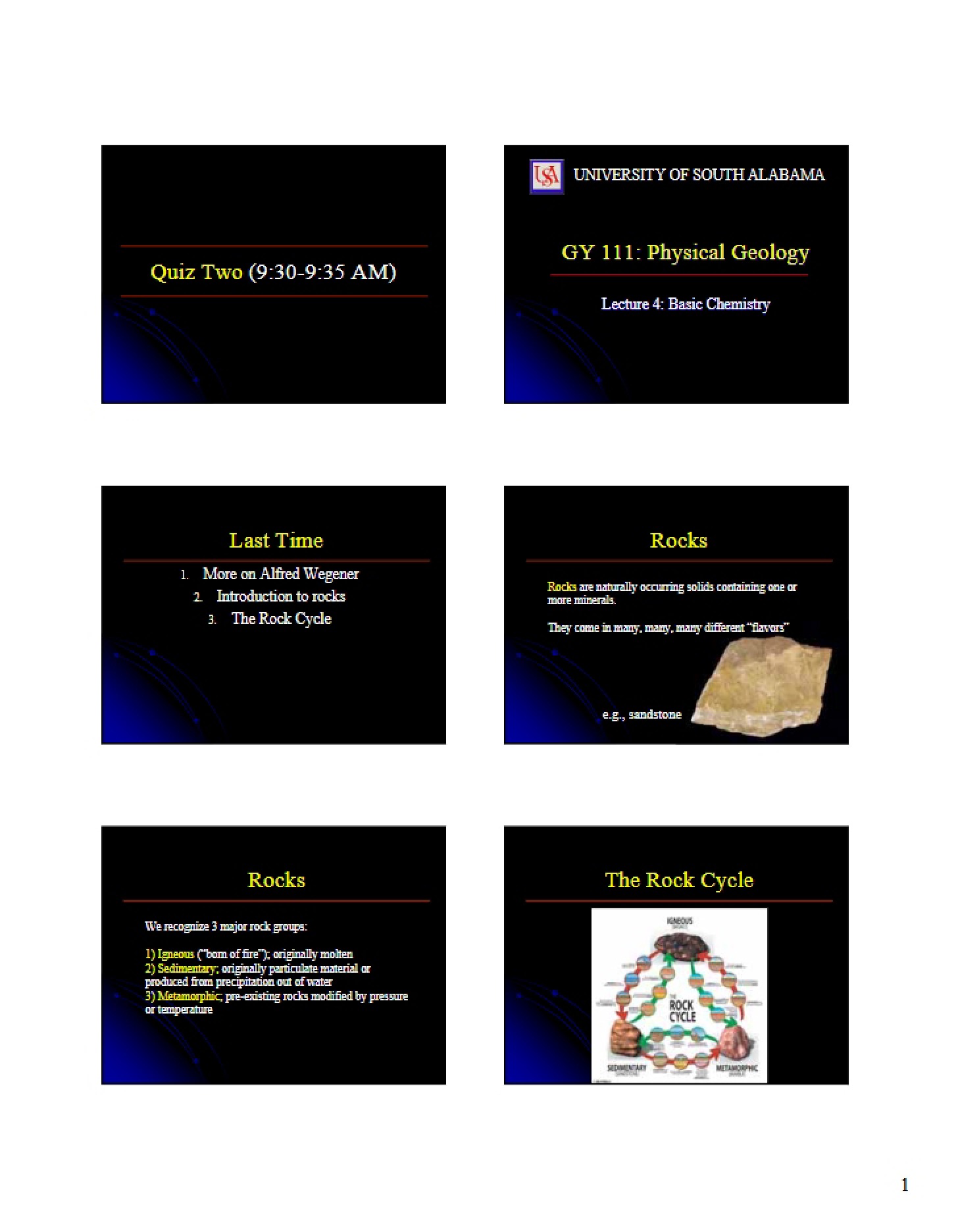
This resource is ideal for students enrolled in introductory physical geology courses. It’s particularly helpful when you’re learning about the rock cycle, plate tectonics, and the dynamic processes shaping our planet. Use this material to build a strong foundation for understanding Earth’s internal structure and the forces that drive geological activity. It’s best utilized *before* tackling more complex topics like regional geology or petrology, and serves as a valuable study aid when preparing for quizzes and exams on Earth materials.
Common Limitations or Challenges
This resource focuses on the foundational concepts of igneous rocks. It does not include detailed field identification guides, specific regional examples, or in-depth coverage of advanced petrological analysis techniques. While it explains the *processes* of rock formation, it doesn’t provide step-by-step instructions for laboratory work or detailed case studies of specific volcanic events. It’s a starting point for understanding, not a complete, exhaustive treatise.
What This Document Provides
* An exploration of the origins of magma and the factors influencing its formation.
* A comparison of intrusive and extrusive igneous rock formations and their associated characteristics.
* An overview of key textural terms used to describe igneous rocks (e.g., aphanitic, phaneritic, porphyritic).
* A discussion of igneous rock composition, including felsic, intermediate, mafic, and ultramafic classifications.
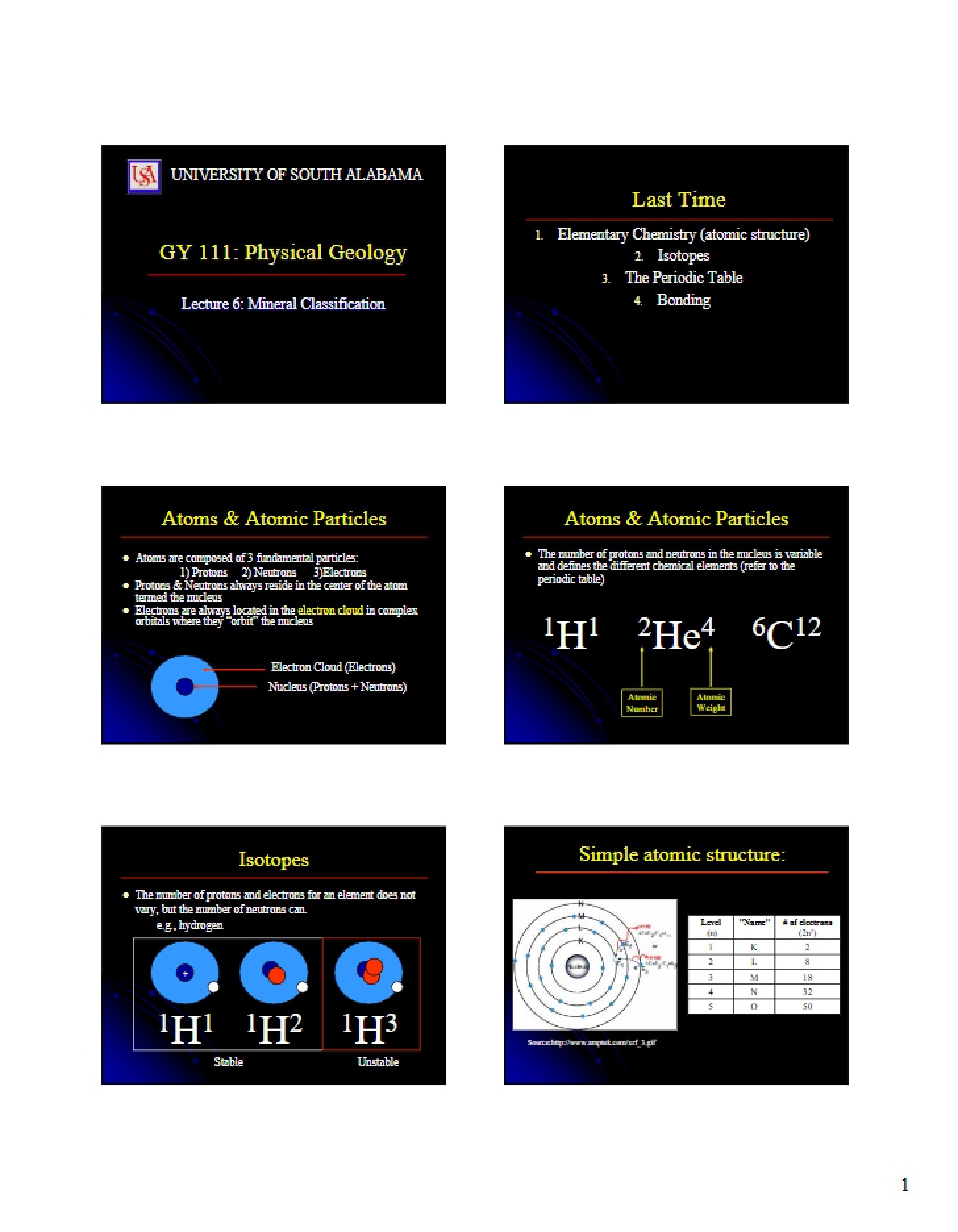
* An introduction to common minerals found in igneous rocks and their chemical compositions.
* A conceptual framework for understanding the classification of igneous rocks based on mineral content and texture.
* An explanation of how tectonic settings influence magma generation.