What This Document Is
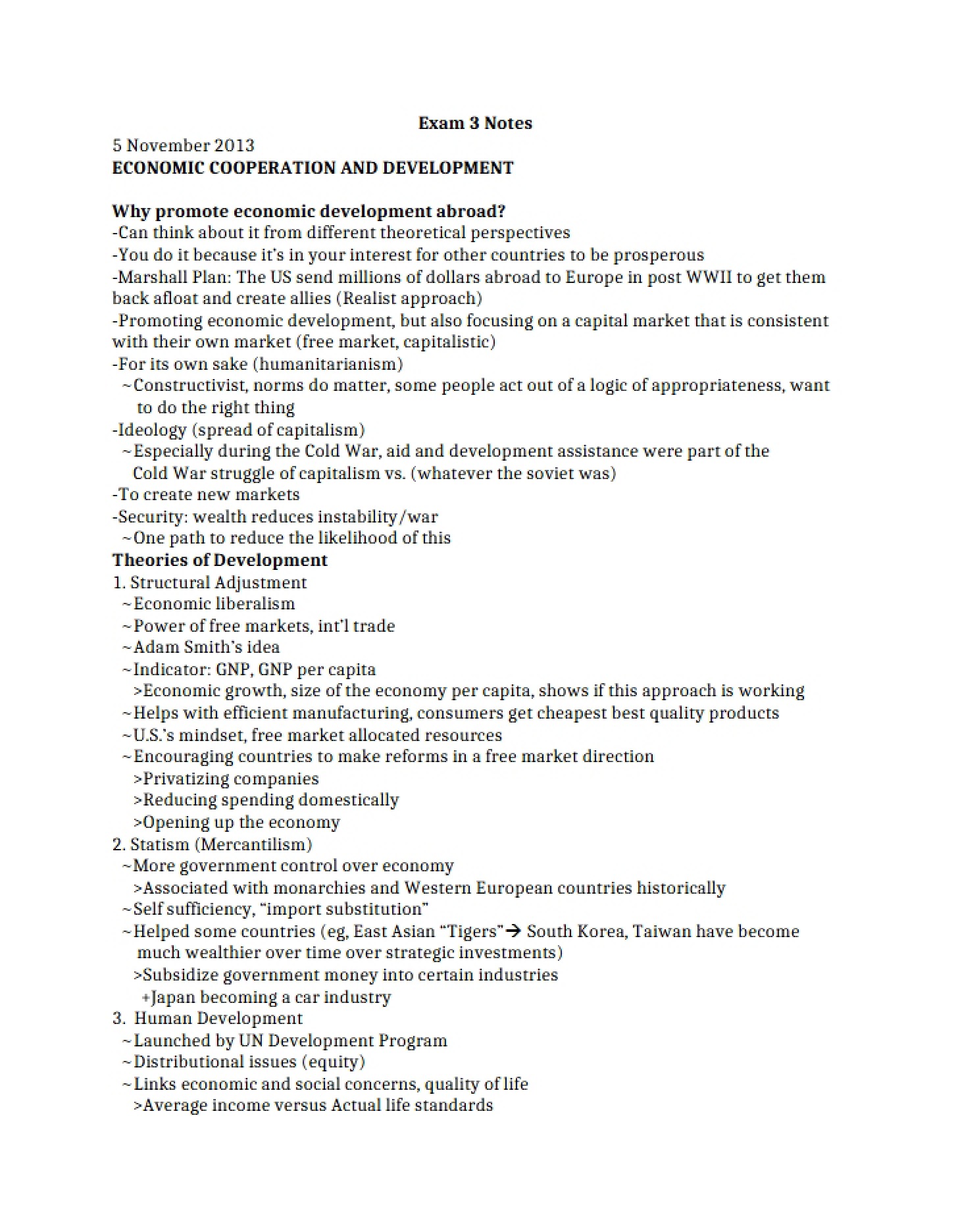
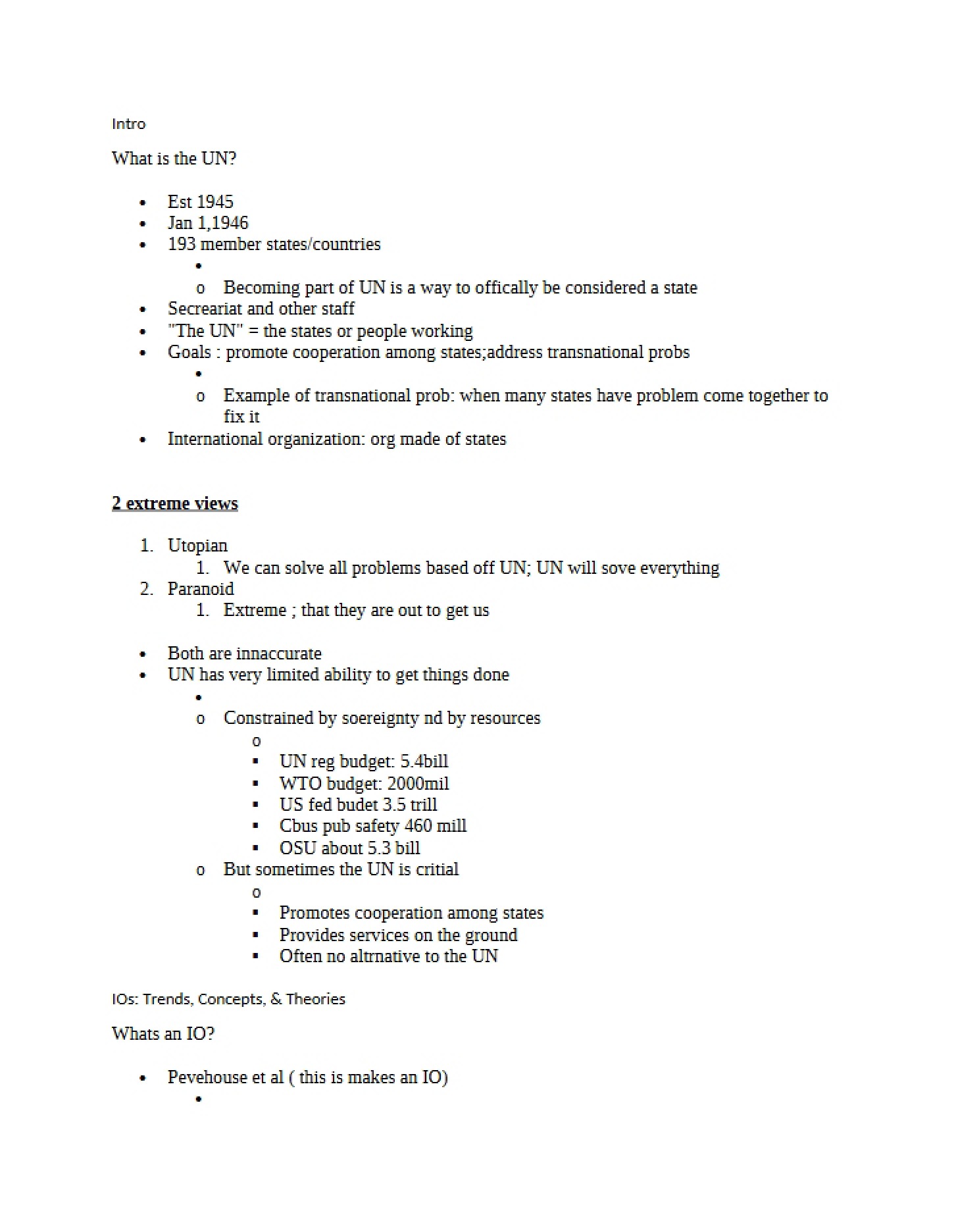
This study guide provides a comprehensive overview of the international legal and organizational frameworks surrounding the management of war and conflict. Specifically, it delves into the United Nations system and its mechanisms for maintaining peace and security, examining both the theoretical underpinnings and practical applications of collective enforcement. It’s designed for students seeking a deeper understanding of international relations, international law, and the complexities of global security.
Why This Document Matters
This resource is ideal for students enrolled in courses focusing on international organizations, security studies, or international law. It’s particularly useful when preparing for in-depth discussions, research papers, or examinations requiring a nuanced understanding of the UN’s role in preventing and responding to armed conflict. Individuals interested in careers in diplomacy, international affairs, or related fields will also find this a valuable resource for building foundational knowledge. Unlock the full guide to gain a complete grasp of these critical concepts.
Topics Covered
* The historical evolution of collective security, comparing and contrasting the League of Nations and the United Nations.
* The UN Charter and the legal basis for the use of force in international relations.
* The principles governing conduct *during* armed conflict, including international humanitarian law.
* The UN’s approaches to maintaining peace and security, beyond traditional enforcement measures.
* The role and effectiveness of UN sanctions as a tool for conflict management.
* The complexities of military collective enforcement actions authorized by the UN Security Council.
* The interplay between international law and political realities in the context of war.
What This Document Provides
* A detailed exploration of the different chapters of the UN Charter relevant to peace and security.
* An analysis of the powers and limitations of the UN Security Council.
* A framework for understanding the legal justifications for the use of force in international law.
* Insights into the challenges and successes of UN peacekeeping operations and collective enforcement mechanisms.
* A discussion of the evolving nature of international law and its application to contemporary conflicts.