What This Document Is
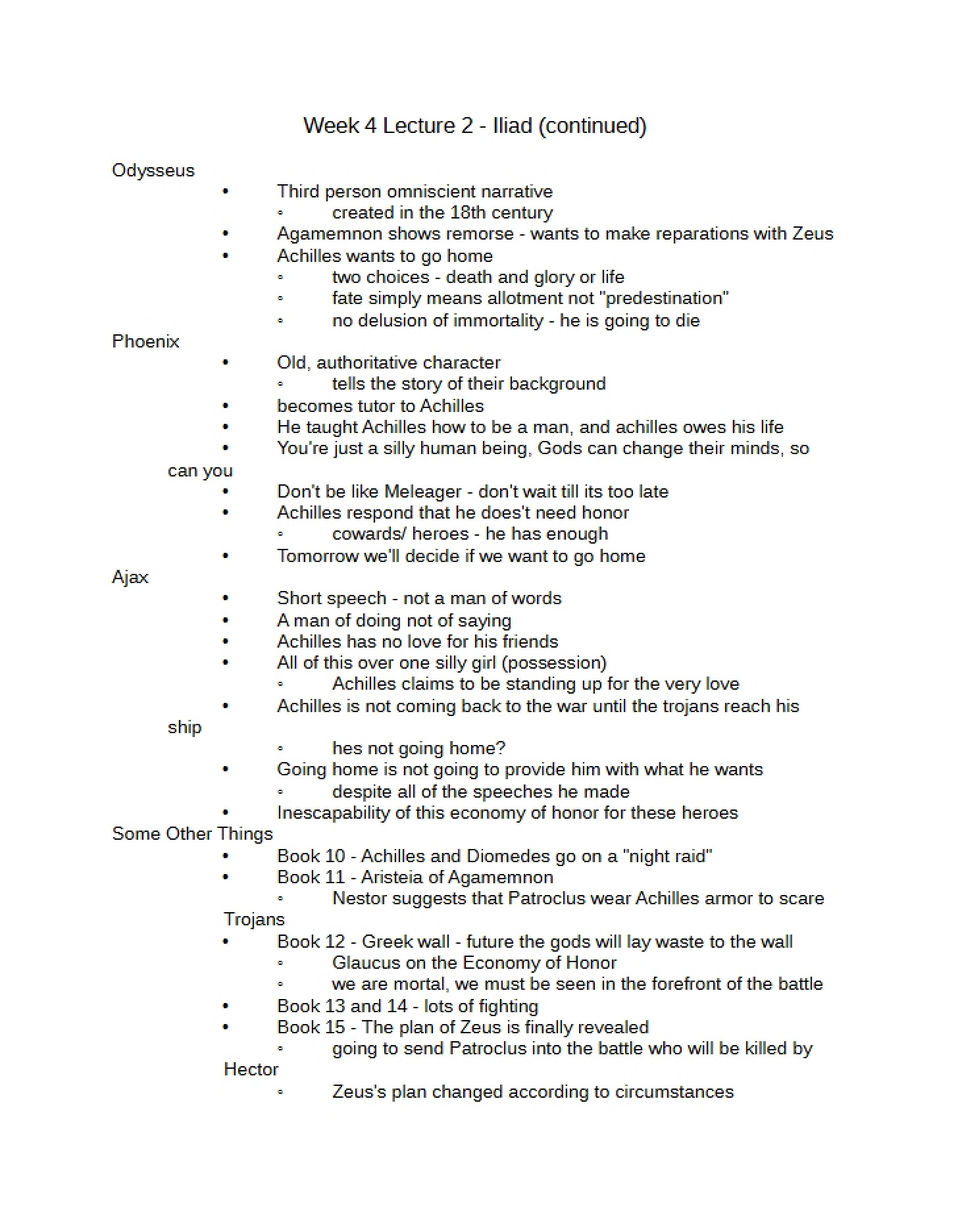
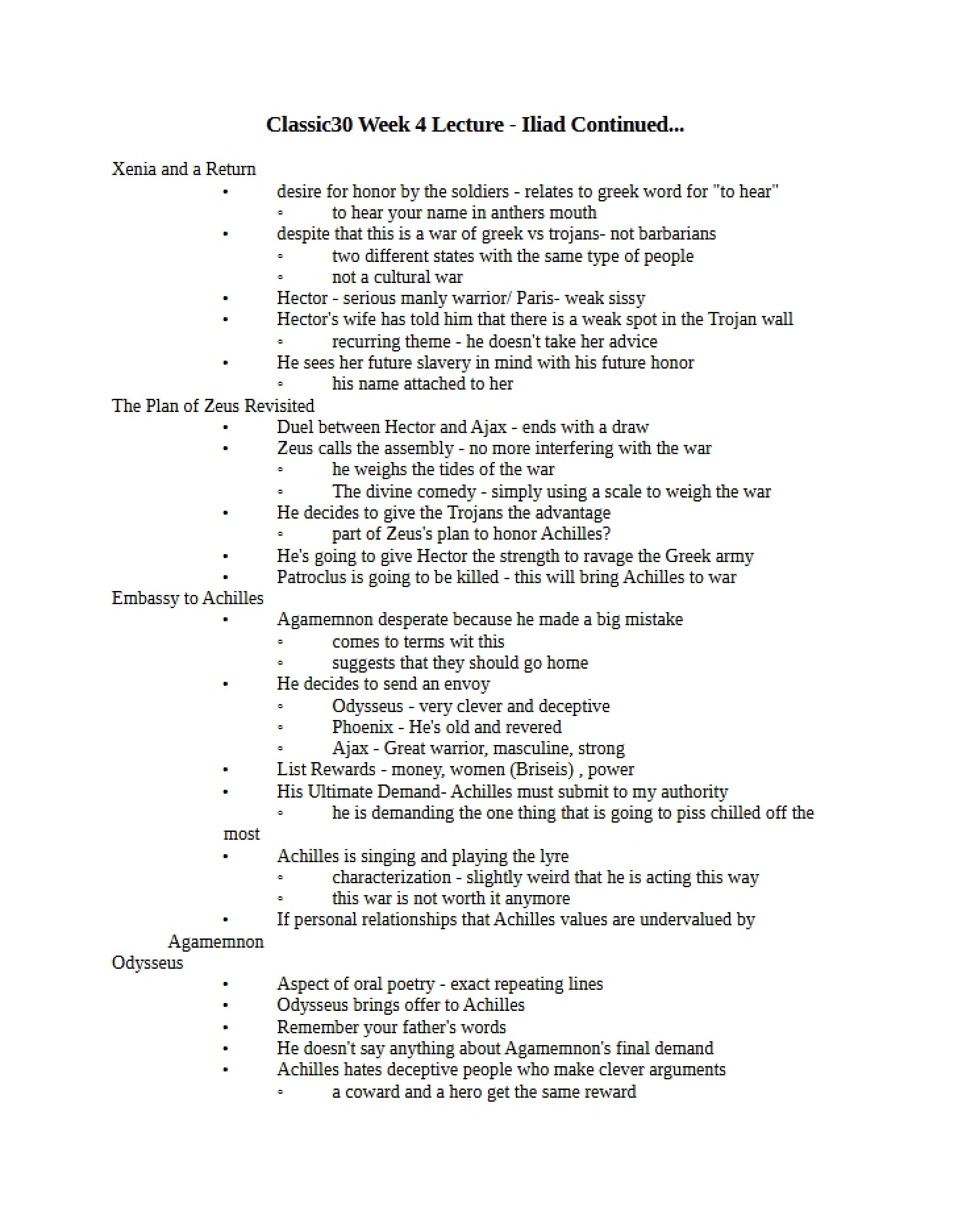
This resource offers a detailed exploration of Homer’s *Iliad*, a foundational work of Western literature. Specifically, it presents lecture notes covering the opening sections and core themes of the epic poem. It delves into the historical context surrounding the *Iliad*, examining its origins as an oral tradition and its eventual written form centuries after its initial composition. The material focuses on understanding the poem not as a comprehensive account of the Trojan War, but as a focused narrative within that larger conflict.
Why This Document Matters
Students enrolled in Classical Mythology (CLASSIC 30) at UCLA will find this material particularly valuable. It’s ideal for those seeking a deeper understanding of the *Iliad* before, during, or after class discussions. This resource is designed to enhance comprehension of the poem’s structure, key characters, and overarching arguments, providing a solid foundation for further study and analysis. It’s especially helpful for students preparing to engage with close readings of the text and formulate their own interpretations.
Topics Covered
* The historical context and origins of the *Iliad* as an oral tradition.
* The scope of the *Iliad* within the broader narrative of the Trojan War.
* The concept of “rage” and its central role in driving the poem’s events.
* The societal structures and hierarchies within the Greek army depicted in the epic.
* The significance of honor, pride, and material wealth in the world of the *Iliad*.
* The roles and interactions of key figures, including Agamemnon and Achilles.
* The intervention of divine forces in human affairs.
What This Document Provides
* An overview of the poem’s opening invocation and its importance as an epic convention.
* Examination of the power dynamics and leadership within the Greek forces.
* Insights into the economic realities and logistical challenges faced by the army.
* Analysis of the motivations and conflicts between prominent characters.
* A framework for understanding the complex interplay of fate, free will, and divine intervention.
* Discussion of the poem’s structure and thematic concerns.