What This Document Is
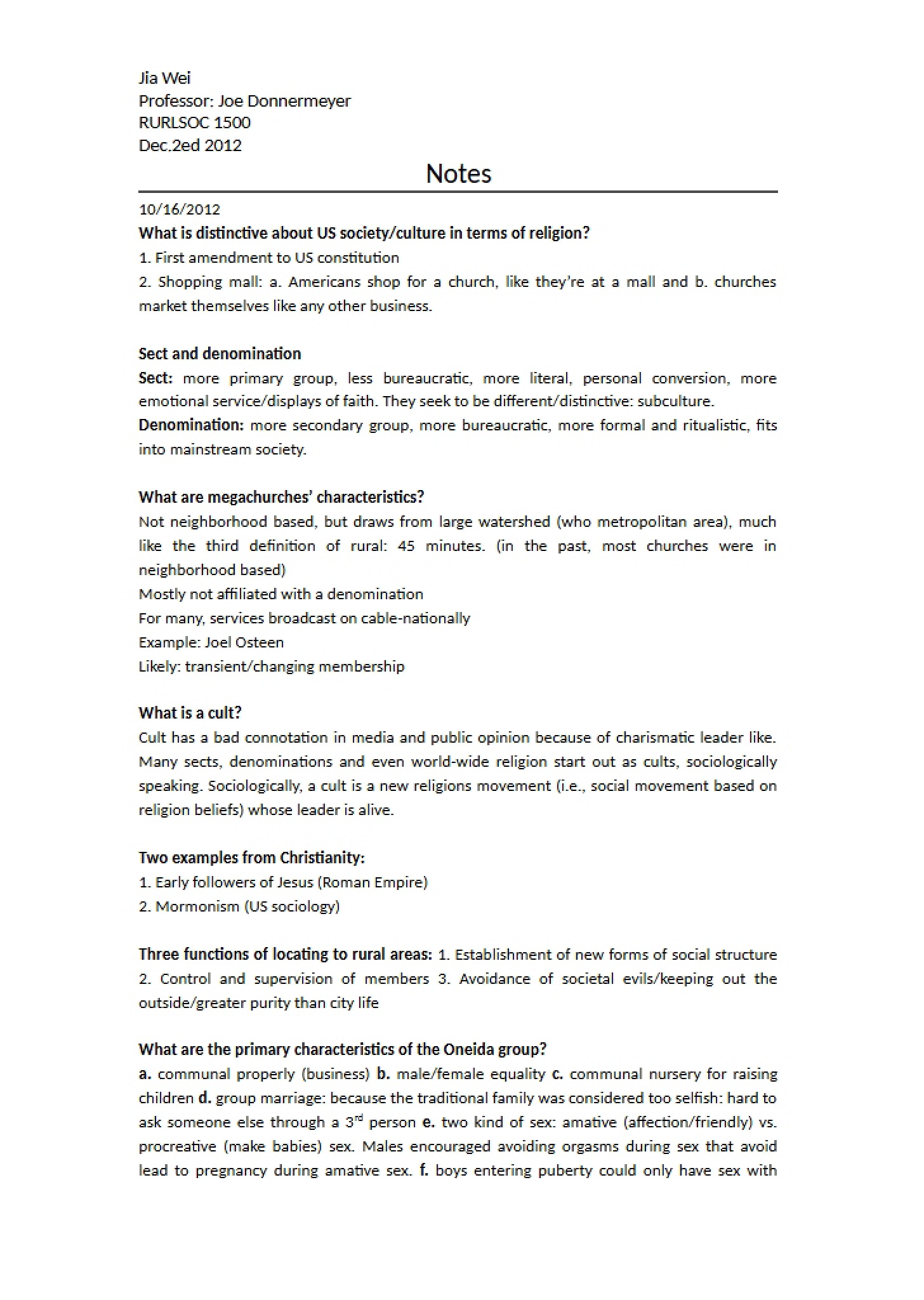
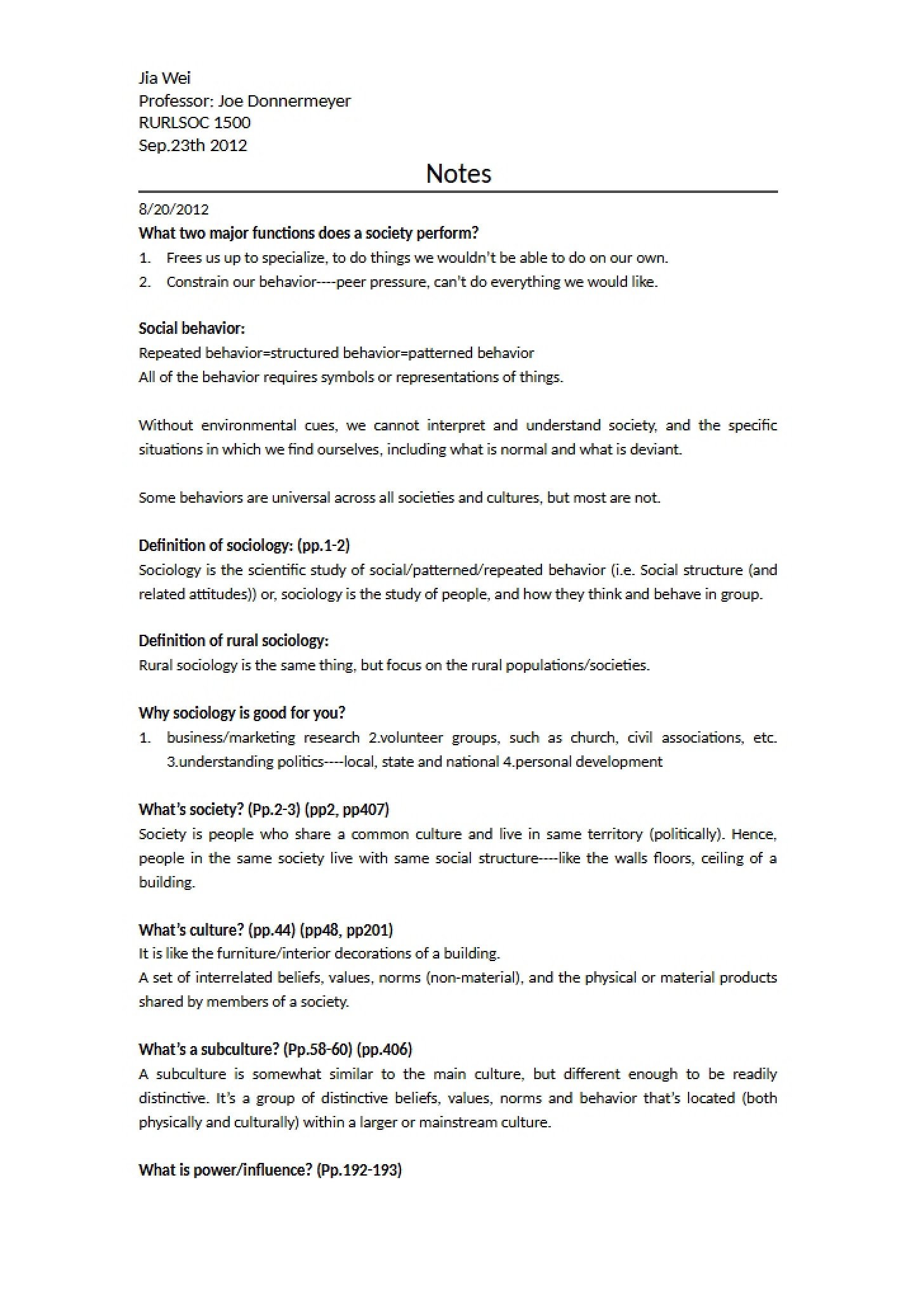
This study guide provides a foundational overview of core concepts within Introduction to Rural Sociology (RURLSOC 1500) at The Ohio State University. Specifically, it delves into the critical framework known as the “Sociological Imagination,” exploring how individual experiences are intricately connected to broader societal forces. It’s designed to help students begin to think critically about the relationship between personal troubles and public issues, and how sociological inquiry can illuminate these connections.
Why This Document Matters
This resource is ideal for students new to sociological thought, particularly those seeking to grasp the fundamental principles that underpin the discipline. It’s most beneficial when used as a companion to lectures and assigned readings, aiding in comprehension and retention of key ideas. Students preparing for discussions, quizzes, or larger assignments will find this guide a valuable starting point for understanding complex sociological concepts. Accessing the full guide will unlock a deeper understanding of the material and enhance your ability to apply sociological thinking.
Topics Covered
* The definition and core principles of Sociology
* The concept of the Sociological Imagination and its historical roots
* Distinguishing between private troubles and public issues
* The role of systematic study and different research approaches in Sociology
* The relationship between agency, social structure, and individual choice
* An overview of the development of sociological thought and key early thinkers
* The importance of understanding social order, power, and inequality
What This Document Provides
* A clear articulation of the foundational concepts in sociological analysis.
* An exploration of the historical context surrounding the development of sociological theory.
* A framework for understanding how individual lives are shaped by larger social forces.
* An introduction to the scientific approach within the social sciences.
* Key terminology and definitions essential for success in an introductory sociology course.