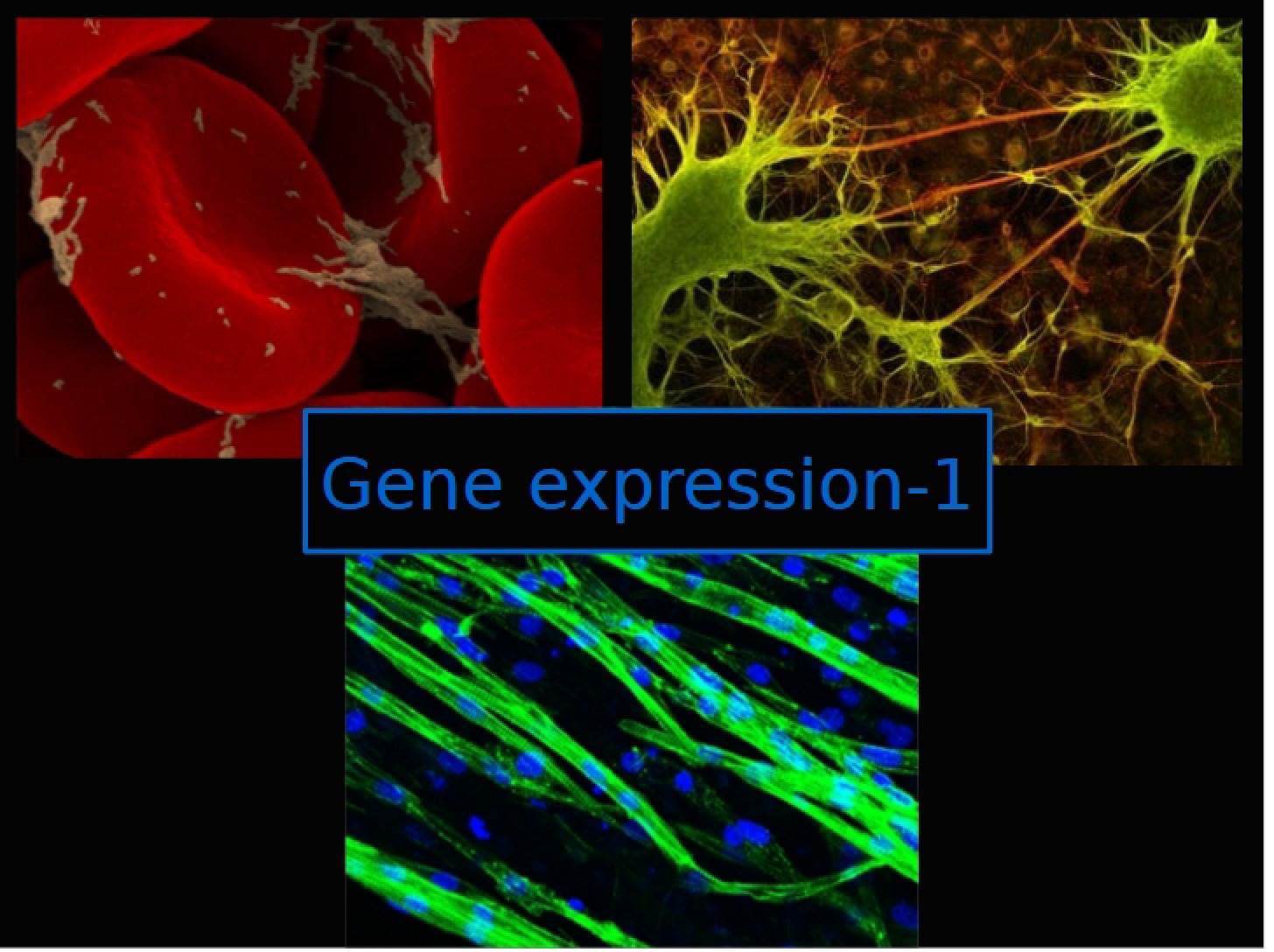
What This Document Is
This resource is a focused exploration of genomic imprinting, a fascinating and complex area within the field of human genetics. It delves into the mechanisms behind parent-of-origin specific gene expression, moving beyond traditional Mendelian inheritance patterns. This material is designed to build a strong conceptual understanding of how epigenetic factors influence which genes are active, and how this differs based on whether a gene is inherited from the mother or the father. It’s part of the MCB 2410 course materials from the University of Connecticut.
Why This Document Matters
Students enrolled in Human Genetics (or related courses like developmental biology or epigenetics) will find this particularly valuable. It’s ideal for those seeking to solidify their understanding of non-Mendelian inheritance and the role of epigenetics in gene regulation. Use this resource when you’re tackling concepts related to gene expression, inheritance patterns, and the molecular basis of genetic disorders. It’s a great supplement to lectures and textbooks, offering a concentrated look at a specific, yet crucial, genetic phenomenon.
Topics Covered
* The fundamental principles of epigenetics and its relationship to DNA sequence.
* The defining characteristics of genomic imprinting.
* The molecular mechanisms involved in imprinting, including DNA methylation.
* The impact of imprinting on gene expression patterns.
* The connection between genomic imprinting and human disease.
* Specific examples of imprinted genes and their associated syndromes.
What This Document Provides
* A clear explanation of how genomic imprinting differs from X-inactivation.
* Visual representations illustrating the parent-specific expression of genes.
* Discussion of the number of known imprinted genes in the human genome.
* Insight into how alterations in imprinting can lead to distinct phenotypic outcomes.
* An overview of specific genetic disorders linked to imprinting defects, and how parental origin influences disease presentation.