What This Document Is
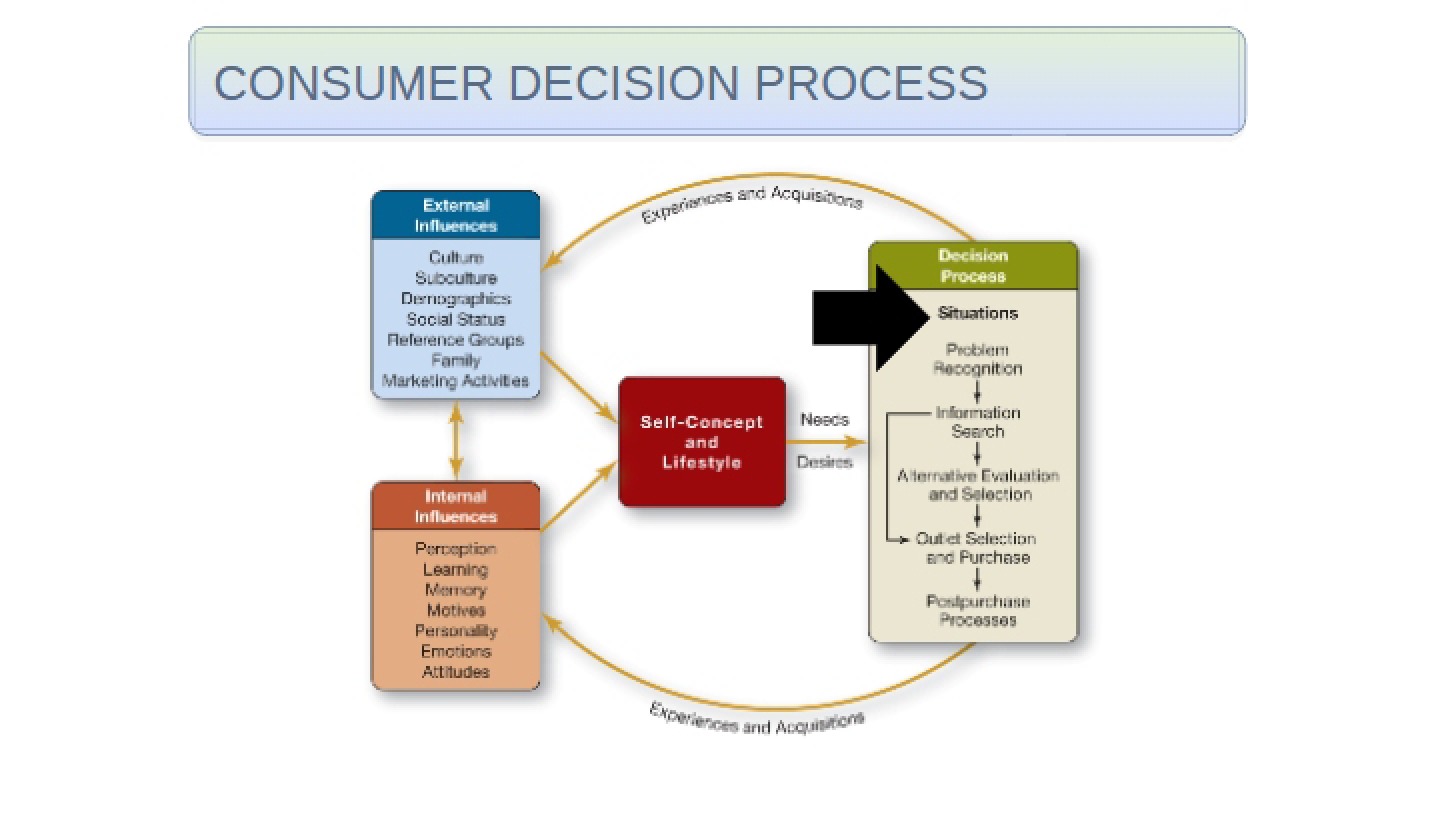
This study guide delves into the core principles of attitudes within the field of Consumer Behavior. It explores how attitudes are formed, the components that comprise them, and—crucially—the various strategies marketers employ to influence those attitudes. The material centers around understanding the psychological processes underlying consumer choices and how businesses attempt to shape those processes. It connects internal consumer characteristics to external influences and the overall decision-making process.
Why This Document Matters
This resource is ideal for students enrolled in a Consumer Behavior or Marketing course, particularly those preparing for exams or seeking a deeper understanding of persuasive communication. It’s beneficial for anyone wanting to analyze advertising campaigns, understand brand loyalty, or predict consumer responses to marketing initiatives. Students grappling with the complexities of consumer psychology will find this a valuable tool for solidifying their knowledge base and improving their analytical skills. It’s particularly useful when studying the impact of messaging and brand positioning.
Common Limitations or Challenges
This guide focuses on the theoretical frameworks and strategic approaches to influencing attitudes. It does *not* provide specific case studies with detailed analyses, nor does it offer a complete overview of all possible research methodologies used in consumer behavior. It also doesn’t cover the practical implementation of attitude change campaigns – it focuses on the ‘why’ and ‘how’ at a conceptual level, rather than the ‘doing’. It assumes a foundational understanding of marketing principles.
What This Document Provides
* A breakdown of the components that constitute an attitude.
* An exploration of different strategies for changing consumer attitudes.
* Discussion of the factors influencing the effectiveness of persuasive messaging.
* Analysis of the roles of central and peripheral routes to persuasion.
* Consideration of how individual and situational characteristics impact attitude change.
* An overview of key communication characteristics in persuasive messaging (source, appeal, and message structure).
* Insights into matching endorsers with products and target audiences.