What This Document Is
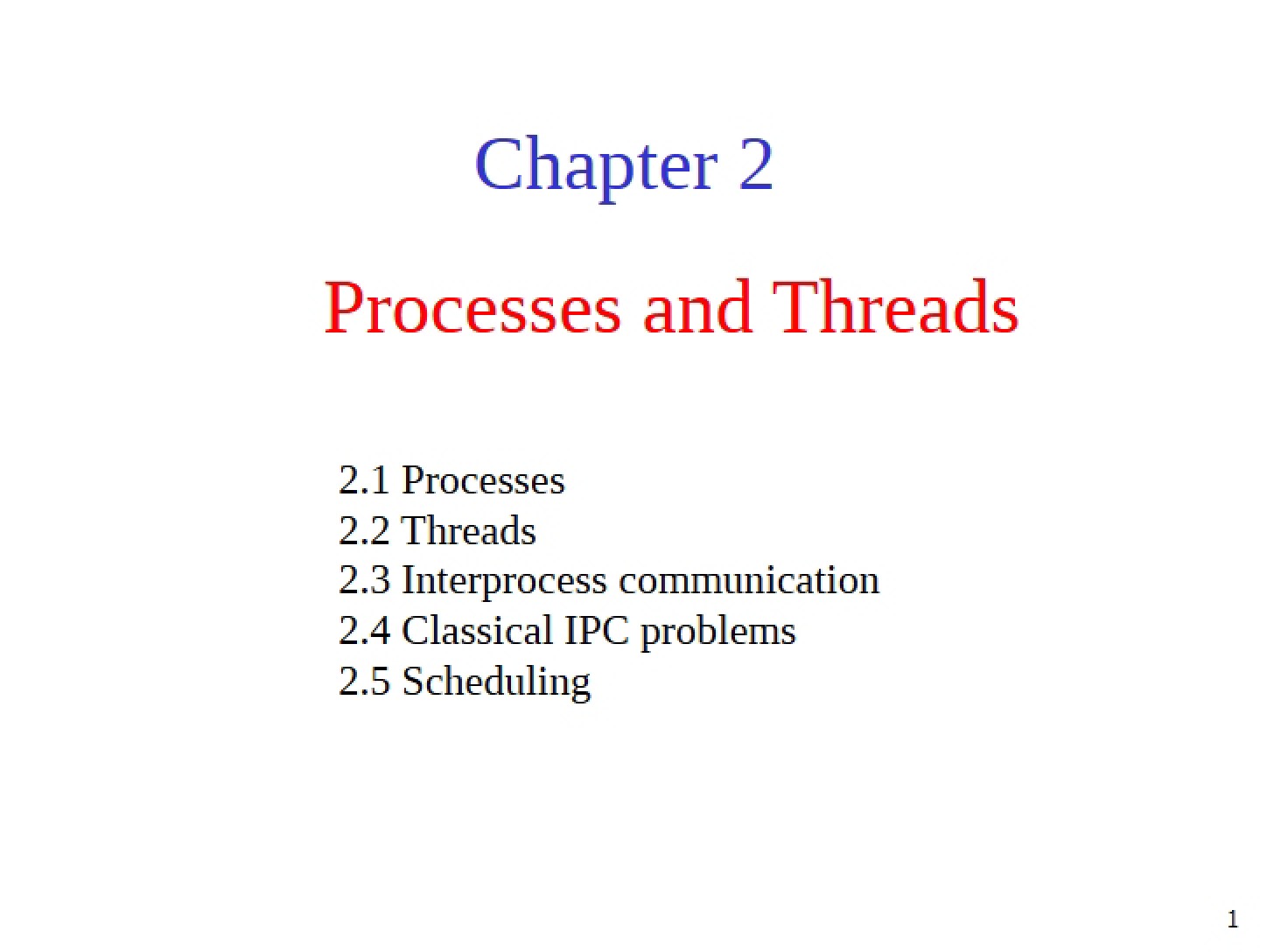
This document is a chapter excerpt focusing on fundamental operating system concepts, specifically processes and threads. It delves into the core mechanisms that allow modern computers to manage and execute multiple tasks seemingly simultaneously. It’s designed for students learning about the inner workings of operating systems and how software interacts with hardware. The material builds upon foundational programming knowledge and introduces key principles of system-level programming.
Why This Document Matters
This resource is invaluable for intermediate programming students, particularly those enrolled in courses like CMPS 11 at the University of California, Santa Cruz. It’s most beneficial when you’re grappling with understanding how programs are managed at a low level, how concurrency is achieved, and the trade-offs involved in different system designs. If you’re preparing to write code that interacts directly with the operating system, or if you need a deeper understanding of system performance, this chapter will provide a solid foundation. Accessing the full content will unlock a comprehensive understanding of these critical concepts.
Topics Covered
* The Process Model and its conceptual representation
* Process Creation and Termination events
* Process States and transitions between them
* Implementation details of processes within an operating system
* Modeling Multiprogramming and its impact on CPU utilization
* The concept and usage of threads within processes
* Illustrative examples of thread application in common software
What This Document Provides
* Detailed diagrams illustrating process states and system architecture.
* An overview of the components found within a typical process table entry.
* A conceptual breakdown of how interrupts are handled at the operating system level.
* Visual representations of how threads can be utilized to improve application responsiveness.
* A framework for understanding the relationship between processes, threads, and system resources.