What This Document Is
This document presents lecture materials from ECE 190, Intro to Computing Systems at the University of Illinois at Urbana-Champaign, specifically focusing on input-output (I/O) operations within the C programming language. It’s designed as a comprehensive overview of how programs interact with external sources and destinations for data. The material explores both fundamental and more advanced techniques for managing data flow in C programs.
Why This Document Matters
This resource is invaluable for students enrolled in an introductory computing systems course, particularly those using C as their primary programming language. It’s most beneficial when you’re learning to build programs that need to read data from files or user input, and write data to files or the screen. Understanding I/O is crucial for developing practical applications and building a solid foundation in computer science principles. Accessing the full content will equip you with the knowledge to effectively handle data interactions in your projects.
Topics Covered
* Stream and buffered I/O concepts
* File stream creation and management (opening and closing files)
* Character-by-character and line-by-line I/O operations
* End-of-file detection
* Formatted I/O using `fprintf` and `fscanf`
* Binary stream I/O using `fread` and `fwrite`
* File navigation techniques (seeking and positioning within a file)
* Low-level file I/O operations
What This Document Provides
* A structured presentation of key I/O functions in C.
* Connections to relevant textbook chapters for further study.
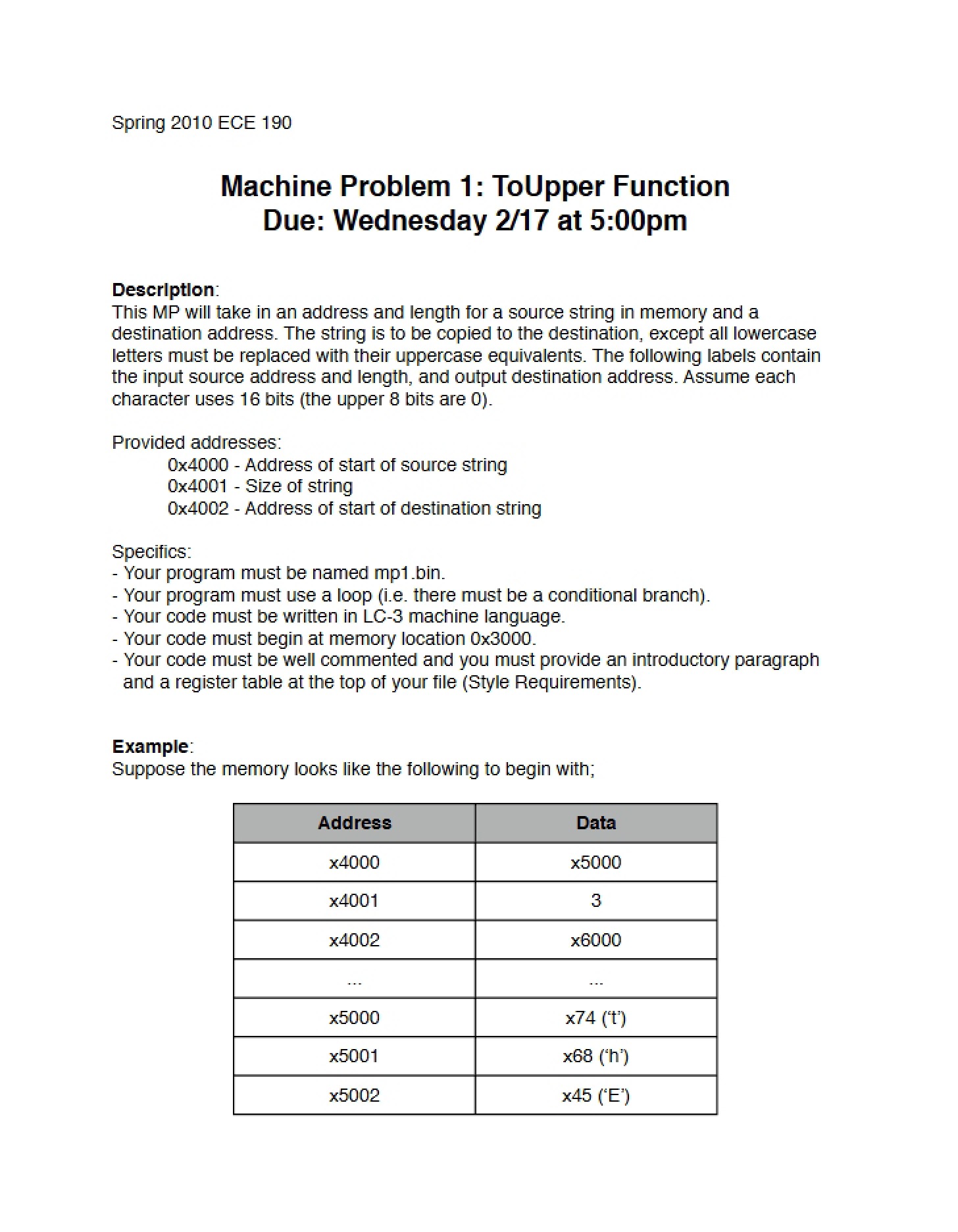
* Information regarding upcoming assignments (machine problems) and their due dates.
* An exploration of standard I/O streams (stdin, stdout, stderr).
* An overview of how data is buffered and transferred between programs and external devices.
* Discussion of the abstraction layers involved in I/O operations.