What This Document Is
This resource is a focused exploration of differentiated instruction, a crucial pedagogical approach for educators. It delves into the theory and practical application of tailoring teaching methods to meet the diverse learning needs within a classroom setting. Specifically, it examines how to effectively address variations in student skills, backgrounds, and learning styles to maximize educational outcomes. This material is designed for students studying intervention and prevention practices within a human development context.
Why This Document Matters
This resource is particularly valuable for students preparing to become educators, counselors, or anyone working directly with learners in a developmental capacity. It’s beneficial for those seeking to understand how to create inclusive learning environments and implement strategies that support all students in reaching their full potential. It’s most helpful when studying curriculum development, assessment practices, or inclusive education models, and will be a strong foundation for lesson planning and practical classroom application.
Topics Covered
* The core principles and definition of differentiated instruction
* Understanding student diversity and its impact on learning
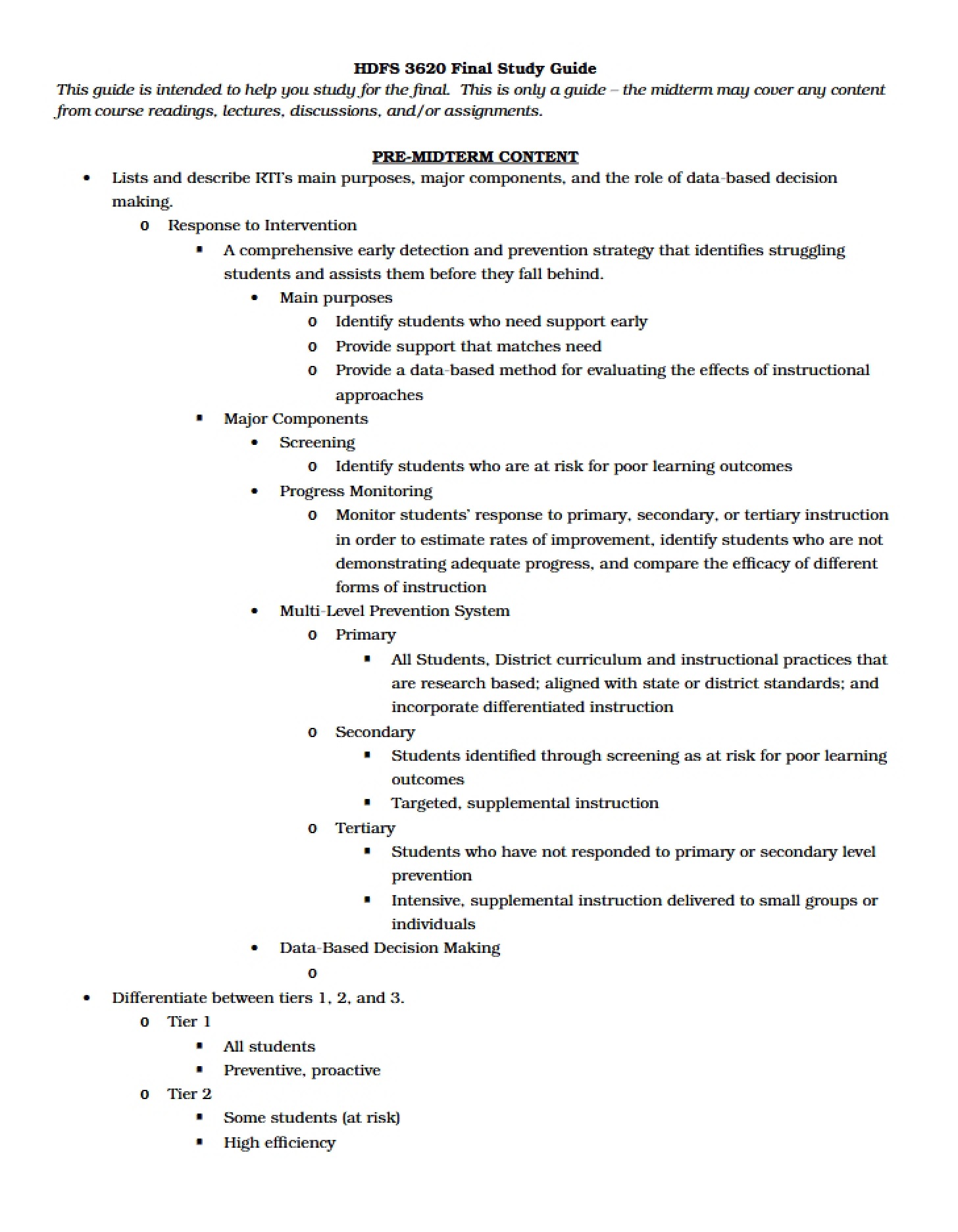
* The relationship between differentiated instruction and broader educational frameworks (like Response to Intervention)
* Identifying and navigating different levels of student understanding
* Strategies for providing appropriate scaffolding to support learning
* Methods for modifying instructional elements to address individual needs
* The importance of aligning instruction with curriculum standards
What This Document Provides
* A clear overview of the goals and benefits of differentiated instruction.
* Exploration of key concepts like the “Zone of Proximal Development” and scaffolding.
* A framework for analyzing instructional dimensions and identifying potential modifications.
* Considerations for adapting task characteristics, instructional procedures, and presentation/response modes.
* A foundation for understanding how to create more effective and equitable learning experiences.