What This Document Is
This document represents a chapter excerpt focusing on the complexities surrounding intellectual disabilities, historically referred to as mental retardation. It’s drawn from a leading textbook in Abnormal Child Psychology and provides a foundational overview of the topic. The material delves into the historical context, diagnostic criteria, and varying degrees of impairment associated with these conditions. It aims to provide a comprehensive understanding of intellectual functioning and adaptive behavior.
Why This Document Matters
This resource is invaluable for students enrolled in courses like Abnormal Psychology, Behavioral Therapy, or Special Education. It’s particularly helpful for those seeking a deeper understanding of developmental disorders and the challenges faced by individuals with intellectual disabilities and their families. Professionals in fields such as counseling, social work, and education will also find this material beneficial for informing their practice. Use this as a core study aid when exploring the diagnostic and conceptual frameworks related to cognitive development and adaptive functioning.
Common Limitations or Challenges
This excerpt offers a theoretical framework and overview of the subject. It does *not* include case studies, practical intervention strategies, or detailed assessments. It also doesn’t cover the latest revisions to diagnostic manuals or emerging research findings beyond the publication date of the source material. This is a foundational piece and should be supplemented with current research and clinical experience. It will not provide a complete understanding of all related conditions or treatment approaches.
What This Document Provides
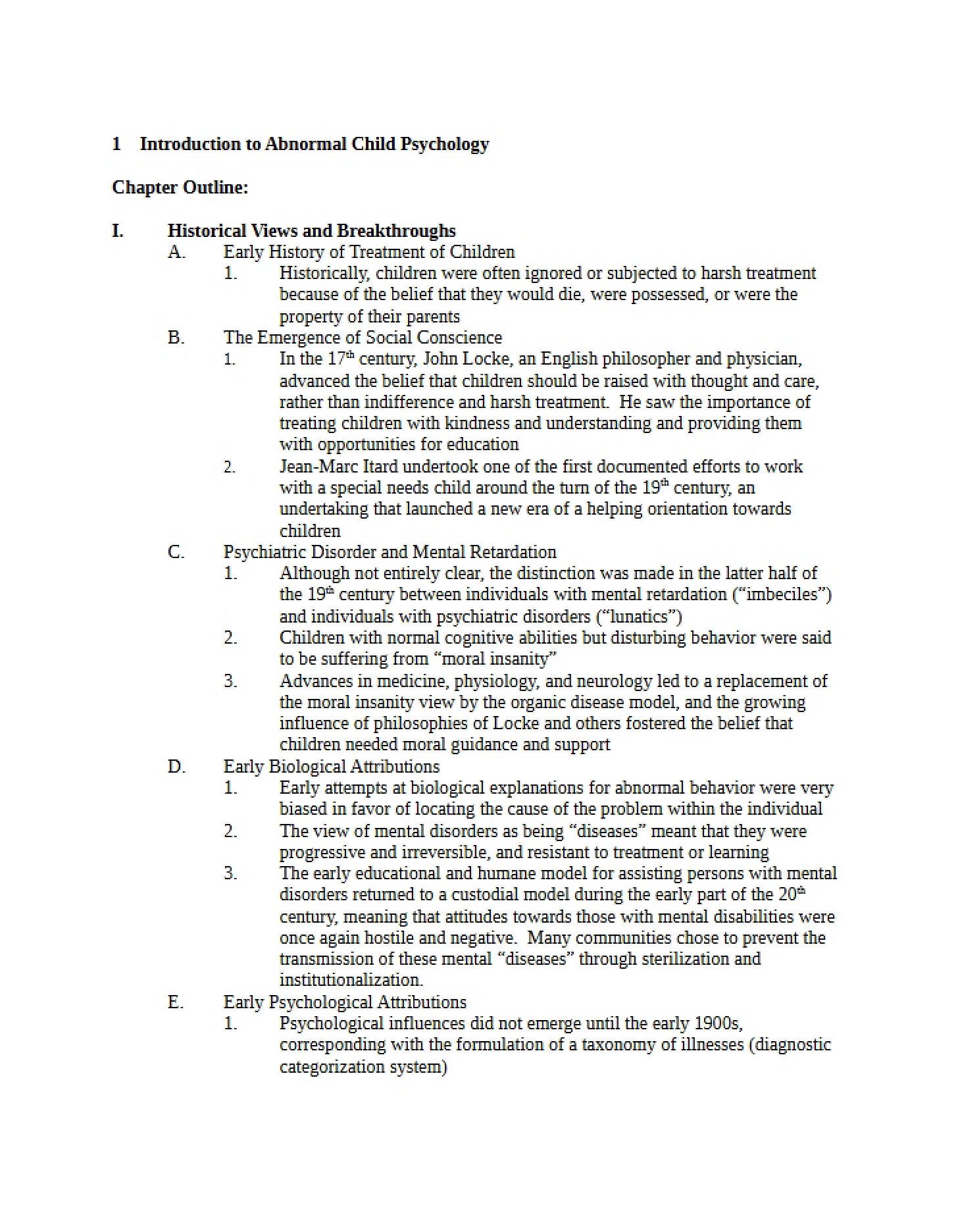
* An exploration of the historical perspectives and evolving terminology related to intellectual disabilities.
* A discussion of the key components used to assess intellectual functioning, including the concept of IQ.
* An overview of the diagnostic criteria used to identify and classify different levels of intellectual disability.
* A breakdown of the varying degrees of impairment, ranging from mild to profound.
* Consideration of factors influencing prevalence rates, including socioeconomic status and cultural background.
* An examination of the relationship between intelligence, adaptive functioning, and the supports needed for individuals with intellectual disabilities.