What This Document Is
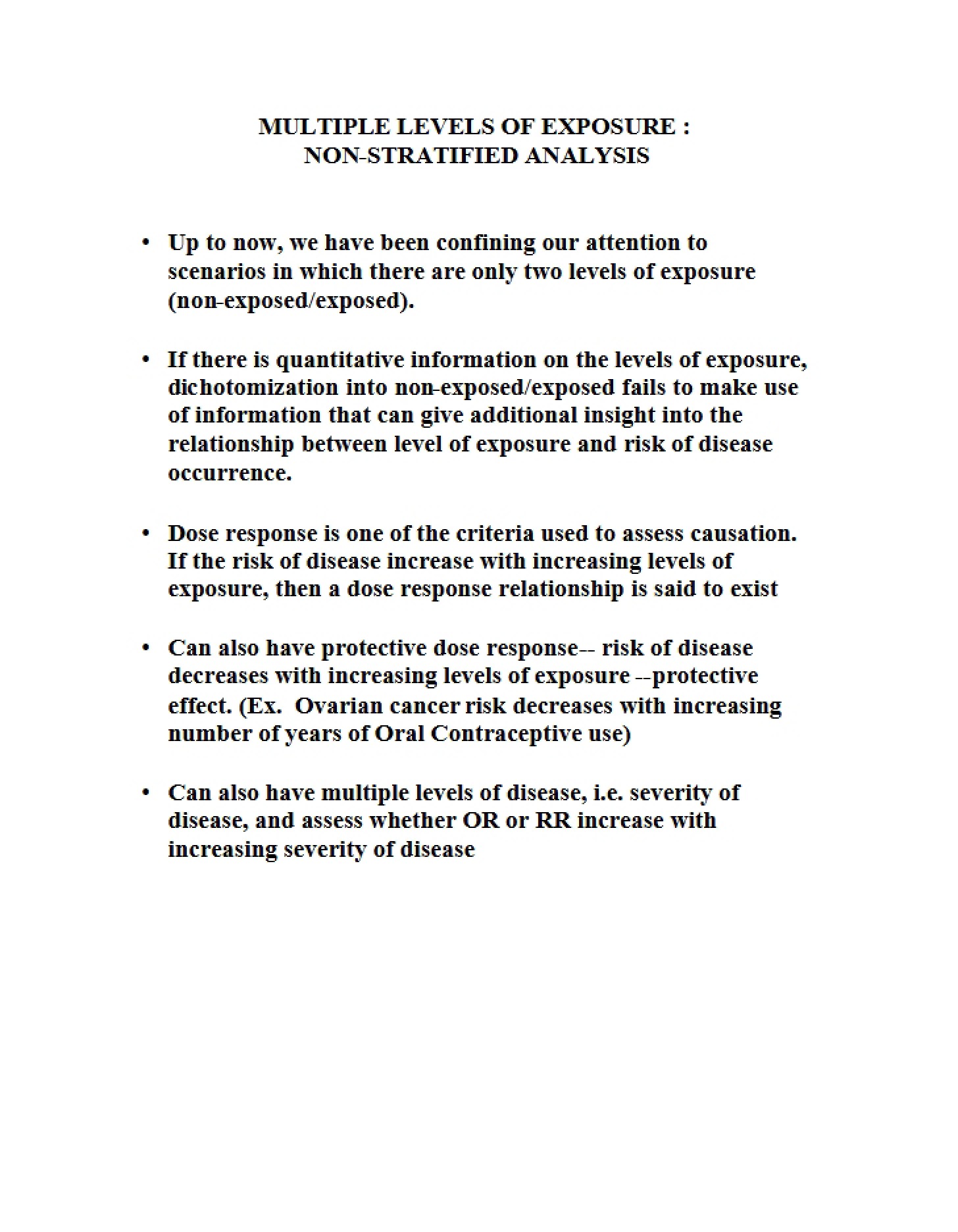
This is a focused exploration of interaction effects within the framework of epidemiological analysis. It delves into the complexities of how multiple risk factors can combine to influence health outcomes, moving beyond simple additive models to consider more nuanced relationships. The material is geared towards students in a quantitative methods course, specifically building upon foundational epidemiological principles. It examines different perspectives on identifying and interpreting these interactions, offering a comprehensive overview of the concepts.
Why This Document Matters
This resource is invaluable for students learning to critically evaluate epidemiological studies and understand the potential for combined effects of exposures. It’s particularly helpful for those seeking to move beyond basic risk assessment and begin to model more realistic biological scenarios. Researchers and public health professionals will also find it useful as a refresher on the various approaches to assessing interaction. This material is most beneficial when studying study design, data analysis, and interpretation of research findings.
Topics Covered
* Homogeneity of effects and its assessment
* Additive interaction models and attributable risk
* Multiplicative interaction models and relative risk/odds ratios
* Joint effects of risk factors and identifying synergy or antagonism
* Detecting interaction using both attributable risk and relative risk approaches
* Application of interaction concepts in case-control studies
* Distinction between additive and multiplicative scales of interaction
What This Document Provides
* A detailed examination of different ways to conceptualize interaction.
* Frameworks for evaluating whether the effect of one factor changes depending on the presence of another.
* Methods for determining if the combined effect of two factors differs from what would be expected if they acted independently.
* Discussion of how to apply these concepts in various study designs.
* A foundation for understanding the complexities of multi-factorial disease etiology.