What This Document Is
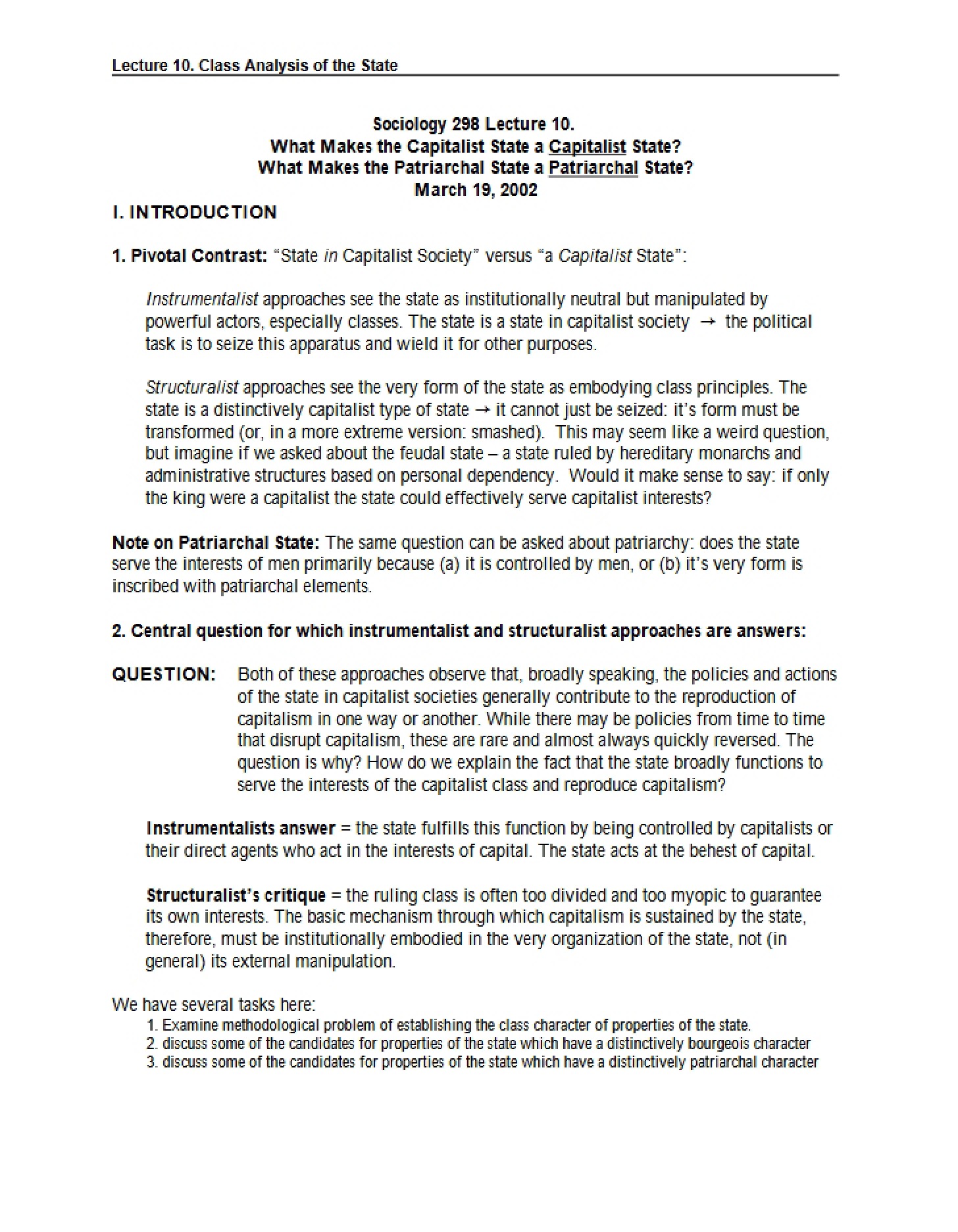
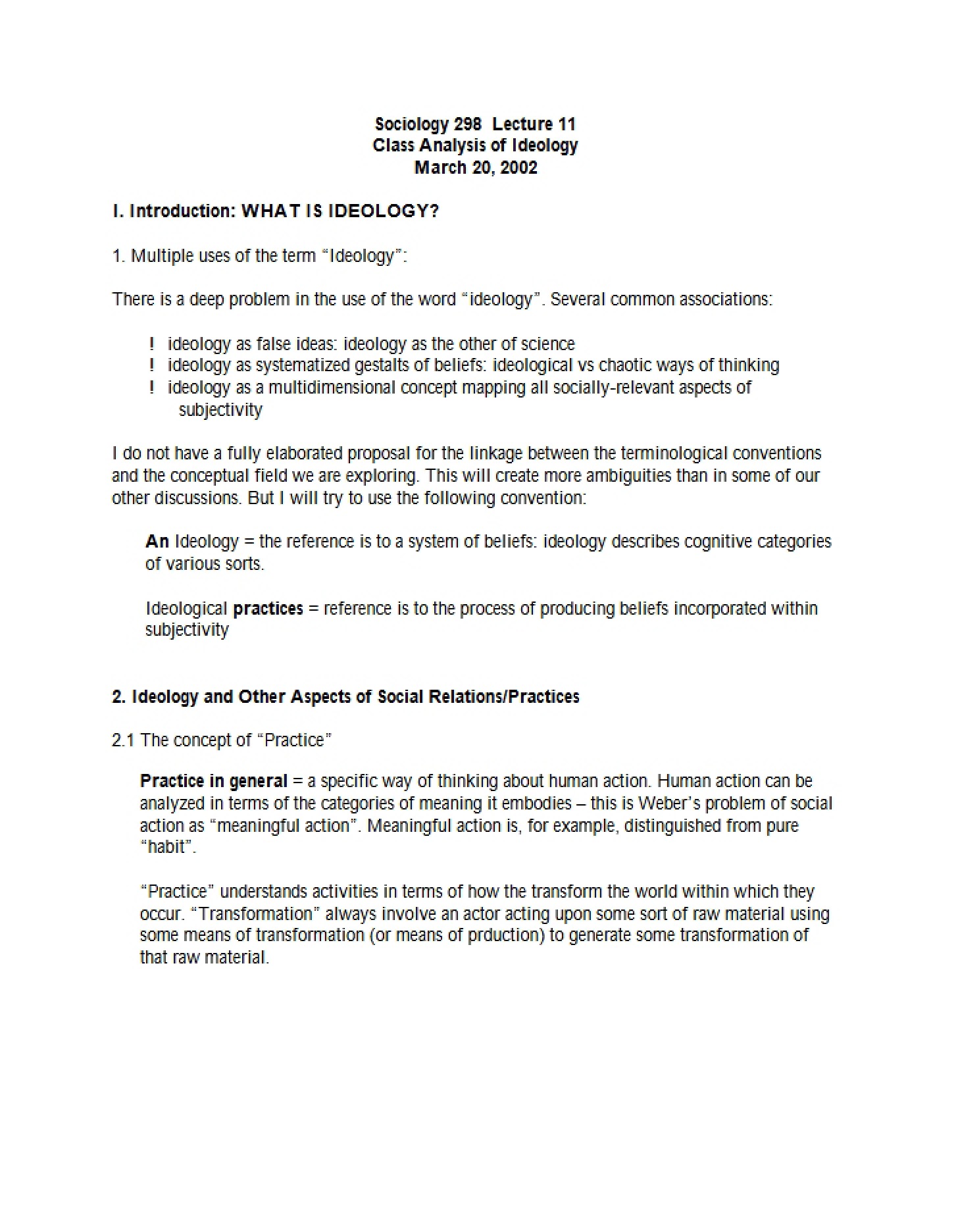
This document comprises lecture notes from a university-level sociology course focusing on the complex relationships between social stratification systems. Specifically, it delves into the intersections of class with other key axes of inequality – race and gender. It represents a focused exploration of theoretical frameworks used to understand how these systems interact and influence lived experiences, rather than offering a simple overview of each in isolation. The lecture appears to be part of a series examining these interconnected issues.
Why This Document Matters
Students enrolled in advanced sociology courses, particularly those concentrating on social inequality, stratification, or critical theory, will find this material highly relevant. It’s especially useful when grappling with the limitations of single-axis analyses and seeking more nuanced understandings of social problems. Researchers beginning to formulate their own investigations into inequality will also benefit from the conceptual groundwork laid out within. This resource is best utilized when you are ready to engage with complex theoretical debates and consider the methodological challenges of studying intersecting oppressions.
Common Limitations or Challenges
This lecture does not provide definitive answers or prescriptive solutions to issues of social inequality. It’s a theoretical exploration, meaning it focuses on conceptual debates and analytical approaches rather than offering empirical data or policy recommendations. It also doesn’t present a comprehensive history of feminist or anti-racist thought; instead, it uses these areas as points of discussion within a broader class analysis framework. It will not offer case studies or specific examples of intersectional experiences.
What This Document Provides
* A critical examination of common approaches to understanding oppression.
* An exploration of the challenges to traditional class analysis posed by considerations of race and gender.
* Discussion of potential conceptual and theoretical problems in analyzing intersecting inequalities.
* A framework for thinking about the specificity of different forms of social division.
* An overview of debates surrounding reductionism and epiphenomenalism in the context of class, race, and gender.