What This Document Is
This is a lecture resource from PLPA 204, Introductory Plant Pathology at the University of Illinois at Urbana-Champaign, focusing on the complex relationships between plants and the organisms that attempt to exploit them. Specifically, it delves into the multifaceted interactions occurring during host-parasite relationships, moving beyond simply identifying diseases to understanding *how* pathogens impact plant health. The material builds a foundation for comprehending disease development and potential management strategies.
Why This Document Matters
This resource is invaluable for students in plant pathology, agronomy, horticulture, and related fields. It’s particularly useful when studying the underlying principles of plant disease, preparing for exams covering disease cycles, or seeking a deeper understanding of plant defense mechanisms. It’s best utilized *during* a course on plant pathology, alongside lectures and other learning materials, to solidify core concepts. Anyone interested in the ecological dynamics of plant health will find this a helpful overview.
Common Limitations or Challenges
This lecture material provides a theoretical framework for understanding host-parasite interactions. It does *not* offer detailed diagnostic protocols for specific plant diseases, nor does it provide step-by-step instructions for disease management. It also doesn’t cover specific case studies of individual plant diseases in detail – it focuses on the broader principles governing these interactions. Practical application of these concepts requires further study and experience.
What This Document Provides
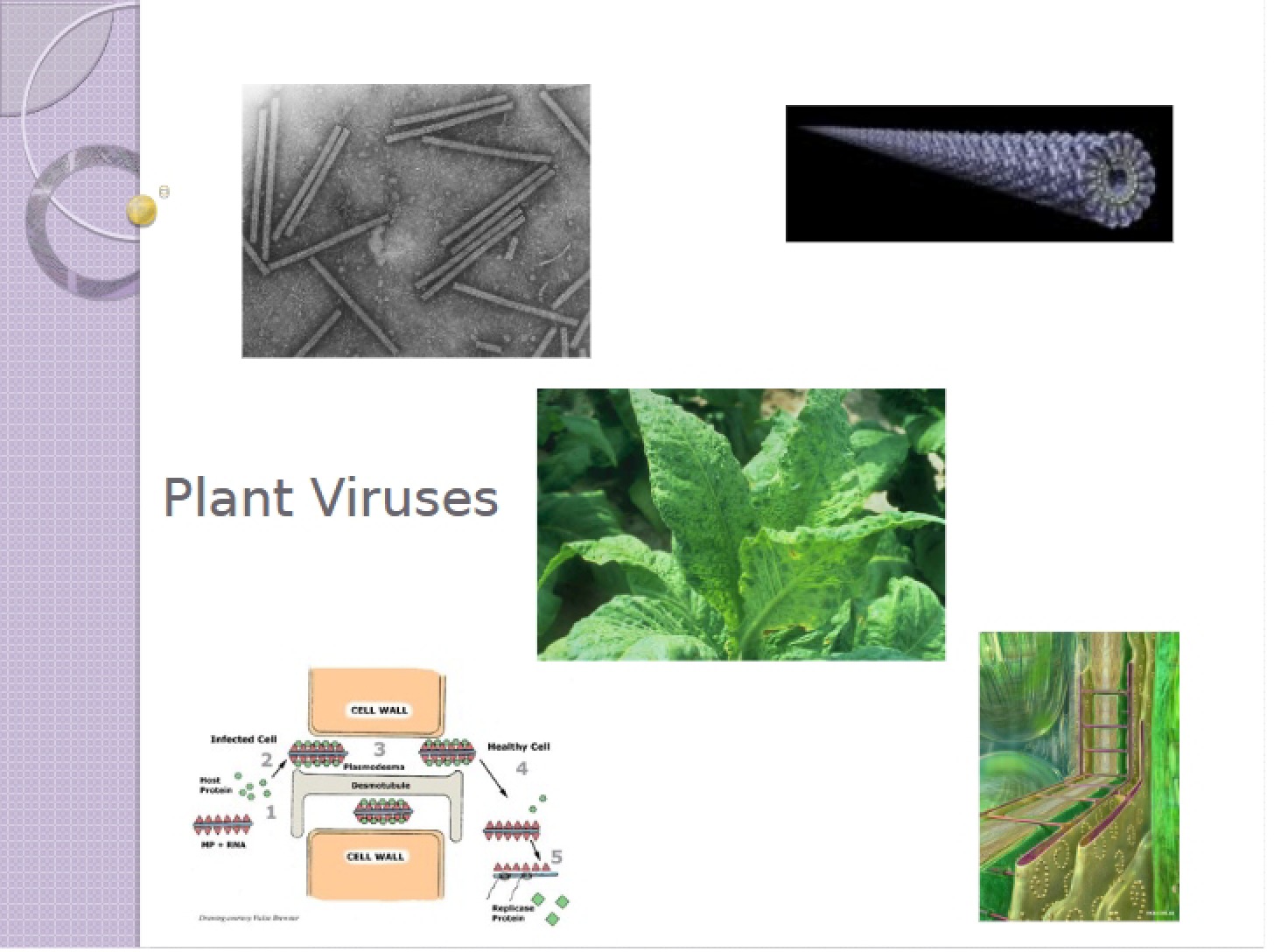
* An overview of the various types of organisms that interact with plants (bacteria, fungi, viruses, nematodes, parasitic plants).
* A categorization of plant-microbe interactions, distinguishing between harmful, neutral, and beneficial relationships.
* A framework for understanding the ecological and physiological factors influencing pathogen survival.
* Discussion of the strategies pathogens employ to invade plants, overcome defenses, and reproduce.
* An introduction to the concept of plant defense responses and genetic interactions related to disease resistance.
* Exploration of survival structures utilized by pathogens to persist in the environment.