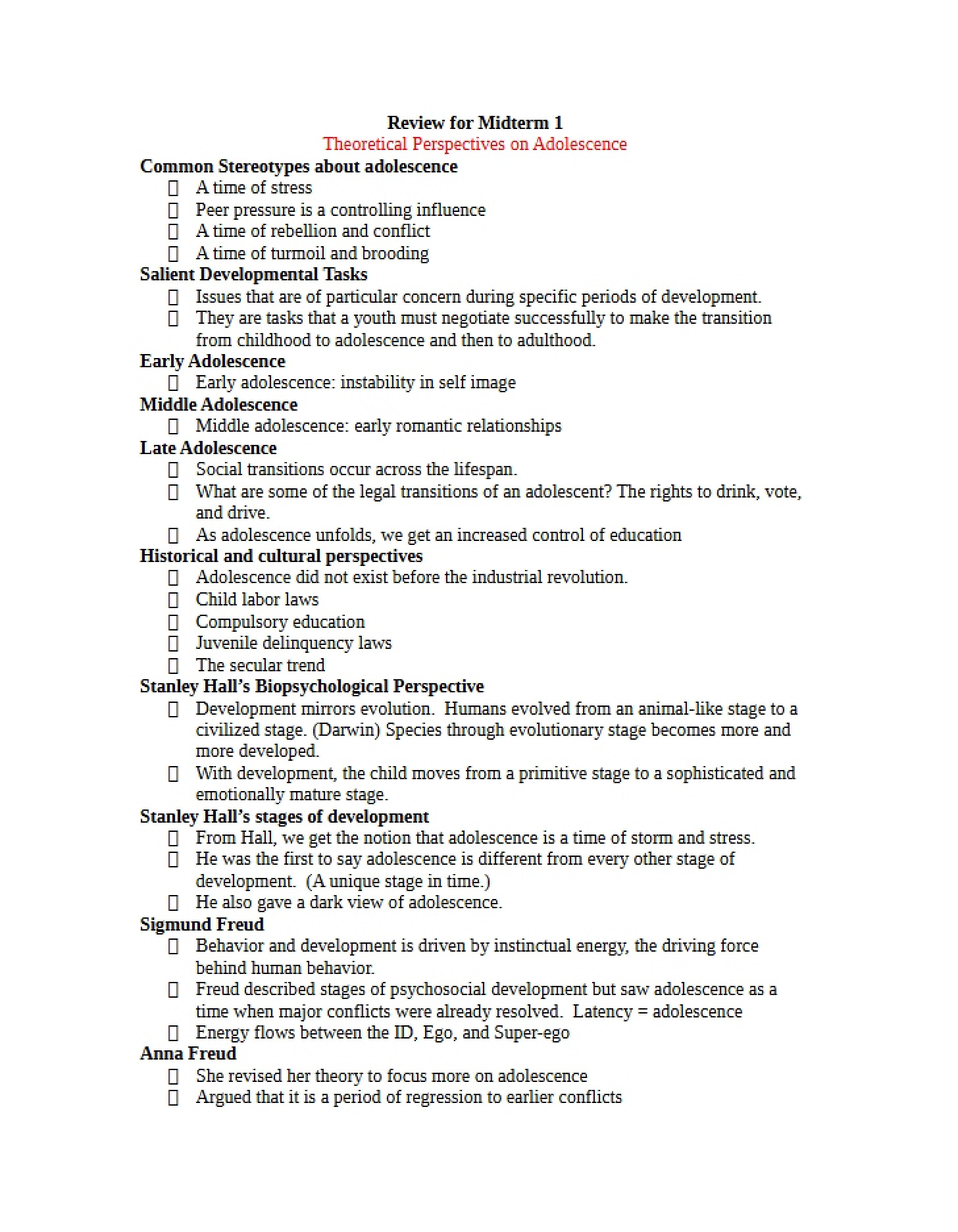
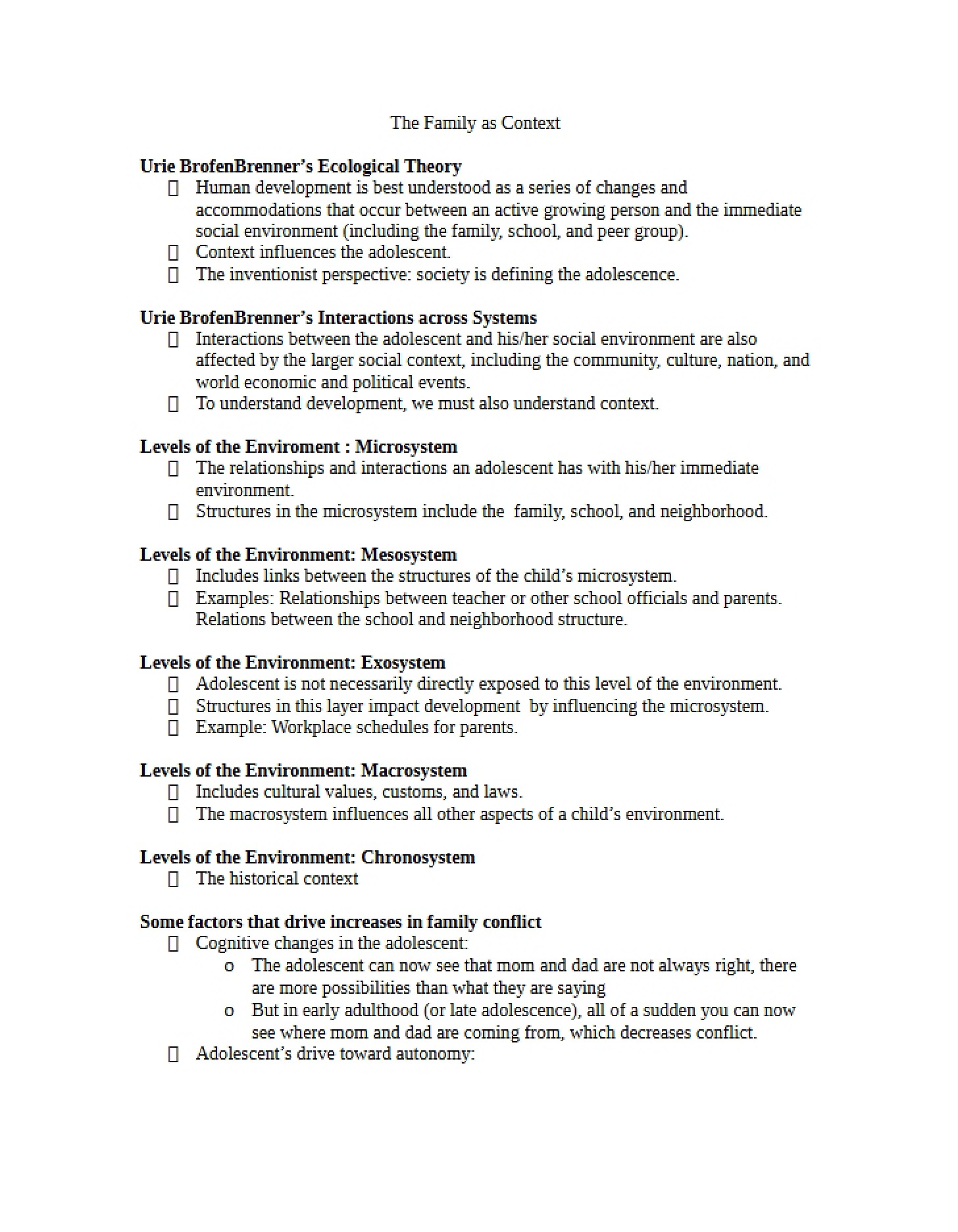
What This Document Is
This resource is a focused exploration of intimacy, specifically within the context of adolescent development. It delves into the multifaceted nature of intimate relationships, moving beyond simplistic definitions to examine the cognitive, biological, and interpersonal factors that contribute to their formation and evolution during teenage years and into early adulthood. It’s designed for students seeking a deeper understanding of the psychological underpinnings of connection and belonging.
Why This Document Matters
This preview will be particularly valuable for students enrolled in Adolescent Development or related psychology courses. It’s ideal for those preparing for class discussions, working on research papers, or seeking to solidify their understanding of key theoretical perspectives on intimacy. Understanding these concepts is crucial for anyone interested in the emotional and social lives of adolescents, and for future professionals working with this age group – counselors, educators, and social workers alike. It provides a foundational understanding before tackling more complex case studies or research.
Common Limitations or Challenges
This resource focuses on theoretical frameworks and conceptual understanding. It does *not* offer practical “how-to” guides for building relationships, nor does it provide specific clinical interventions. It also doesn’t cover cultural variations in intimacy expression in detail, nor does it present empirical research findings – it primarily focuses on the foundational theories. It’s a starting point for deeper exploration, not a comprehensive guide to all aspects of intimacy.
What This Document Provides
* An overview of the interplay between cognitive and biological development and the capacity for intimacy.
* Exploration of influential theories regarding interpersonal development and its connection to feelings of security and identity formation.
* Discussion of the relationship between identity development and the ability to form intimate connections.
* Examination of how early attachment experiences may shape expectations and behaviors in later relationships.
* Consideration of the role of friendships as precursors to, and a foundation for, romantic intimacy.