What This Document Is
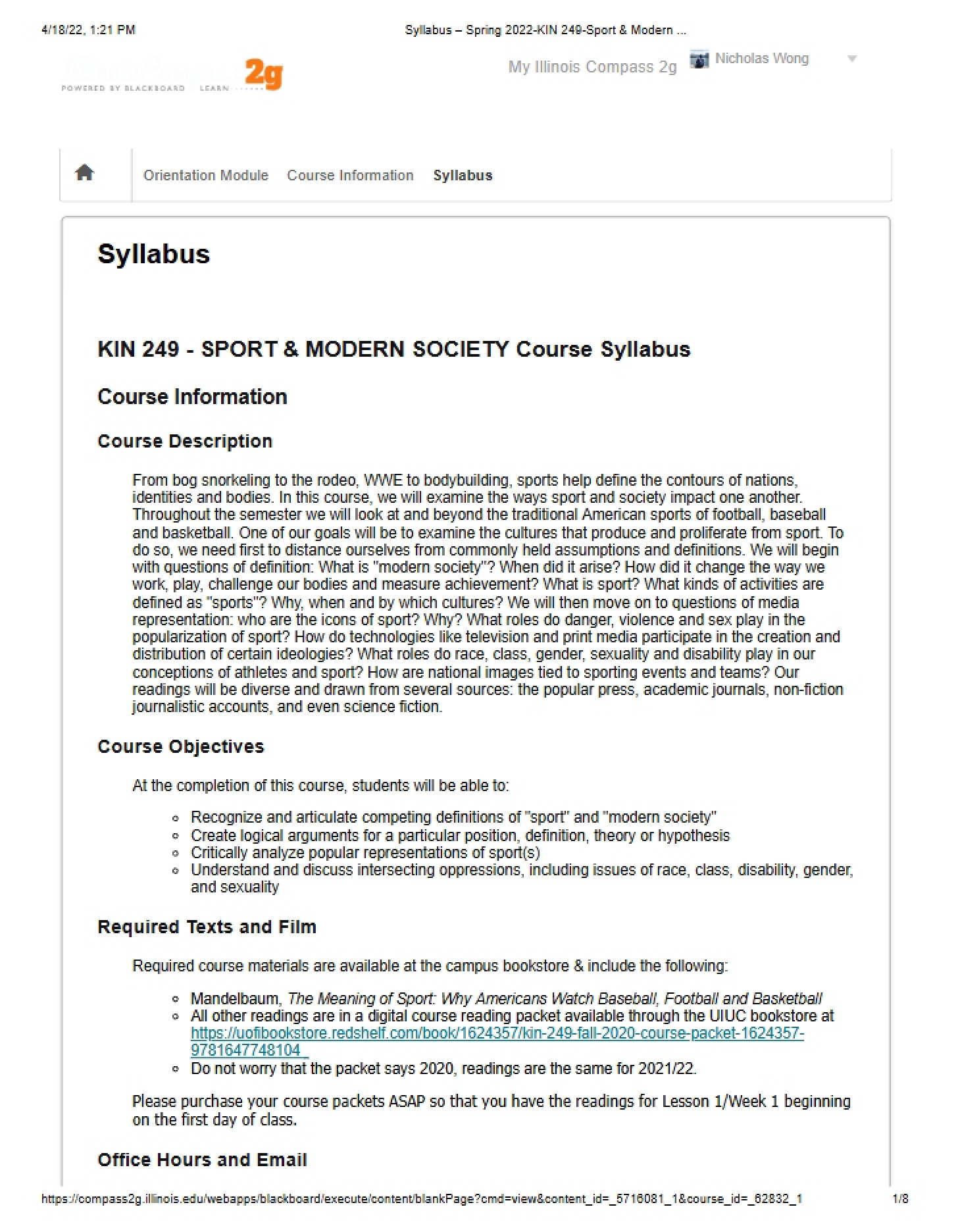
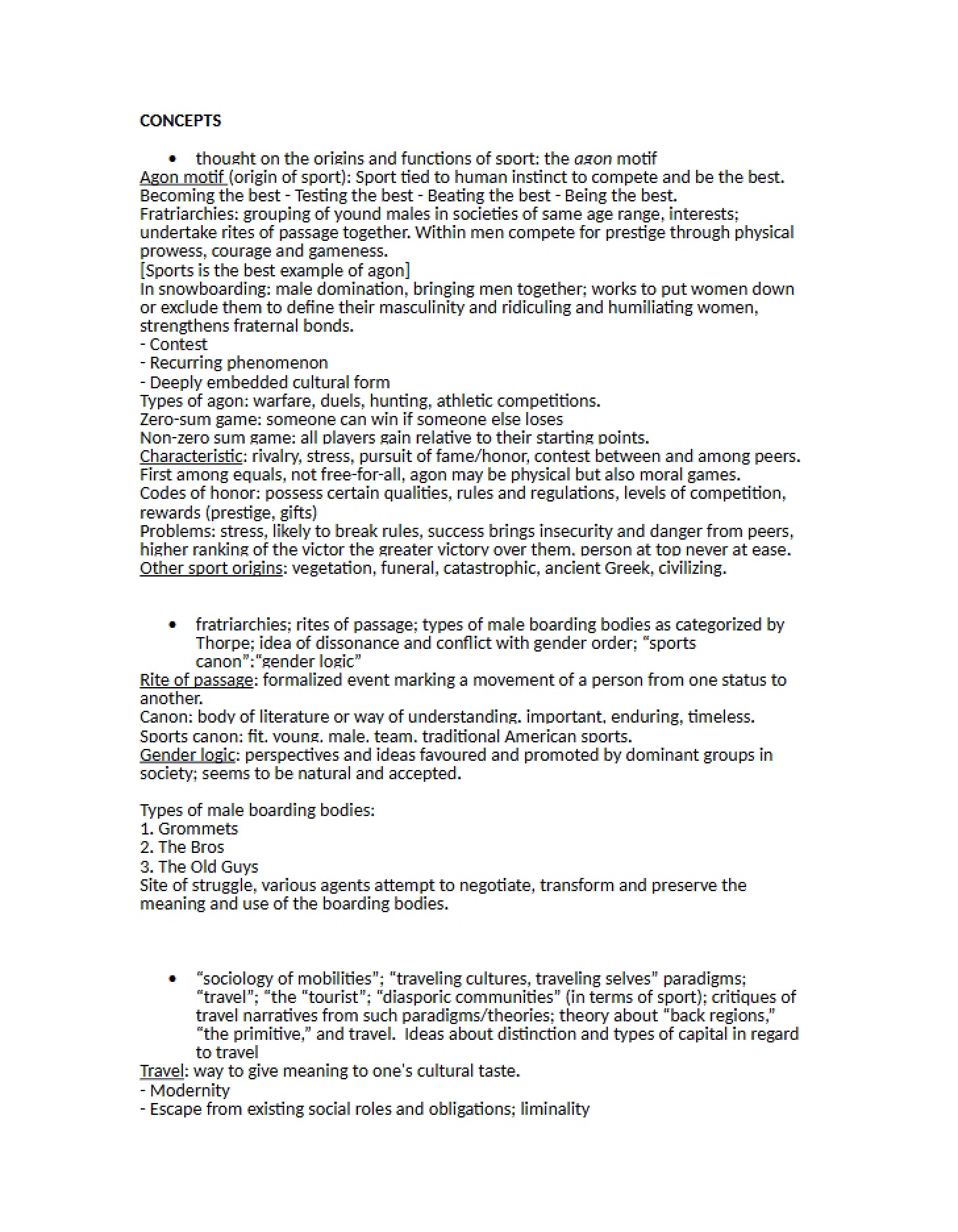
This study guide delves into the application of Marxist theory to the world of sport, specifically using the example of snowboarding. It’s a focused exploration of how economic principles – capital accumulation, competition, and exploitation – manifest within a dynamic, physically-oriented industry and leisure activity. The material analyzes the relationship between commercialization, authenticity, and the very definition of “play” when professionalization enters the equation. It’s designed for students grappling with complex sociological concepts and seeking real-world applications.
Why This Document Matters
Students enrolled in courses like Sport & Modern Society, Sociology of Sport, or even introductory Economics will find this guide particularly valuable. It’s ideal for those preparing for class discussions, working on assignments that require theoretical application, or seeking a deeper understanding of the socio-economic forces shaping contemporary sports culture. This resource is especially helpful when considering the impact of capitalism on activities traditionally viewed as separate from market forces. It can be used to supplement lectures and textbook readings, offering a focused case study to solidify understanding.
Common Limitations or Challenges
This guide provides a theoretical framework and a specific case study, but it does not offer a comprehensive overview of all Marxist thought. It focuses on particular aspects of the theory relevant to the sporting world. It also doesn’t provide definitive answers or solutions, but rather encourages critical thinking and analysis. The material is designed to be a starting point for further research and discussion, not a substitute for thorough engagement with the source material.
What This Document Provides
* An examination of the core tenets of capitalism as they relate to the sporting industry.
* An analysis of how competition impacts both the growth and potential instability within a specific sport.
* Exploration of the concept of “authenticity” and its role in consumer behavior within a commercialized sporting landscape.
* Consideration of the complexities of labor practices and potential exploitation within a seemingly progressive company.
* Discussion prompts designed to stimulate critical thought about the relationship between sport, work, and class dynamics.