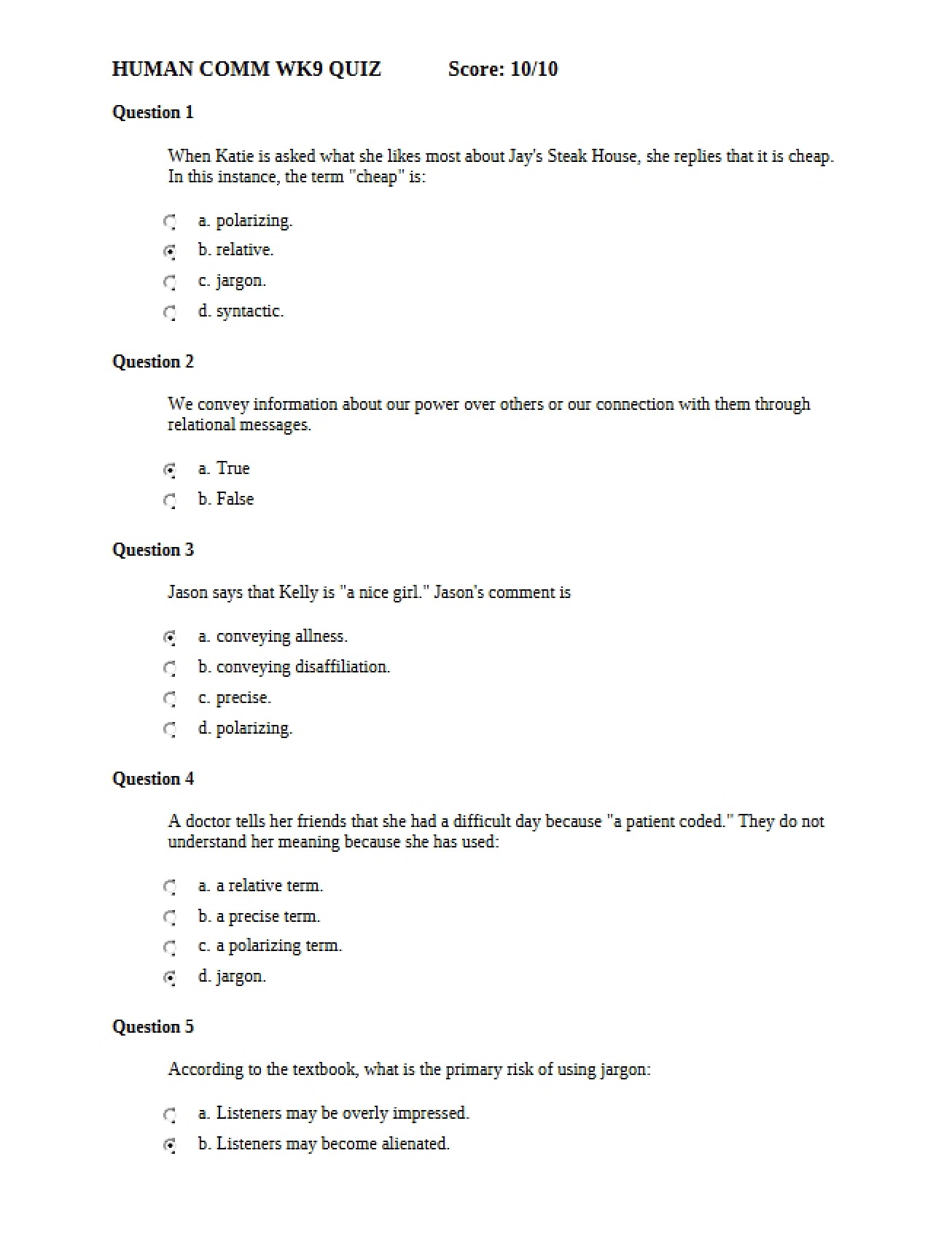
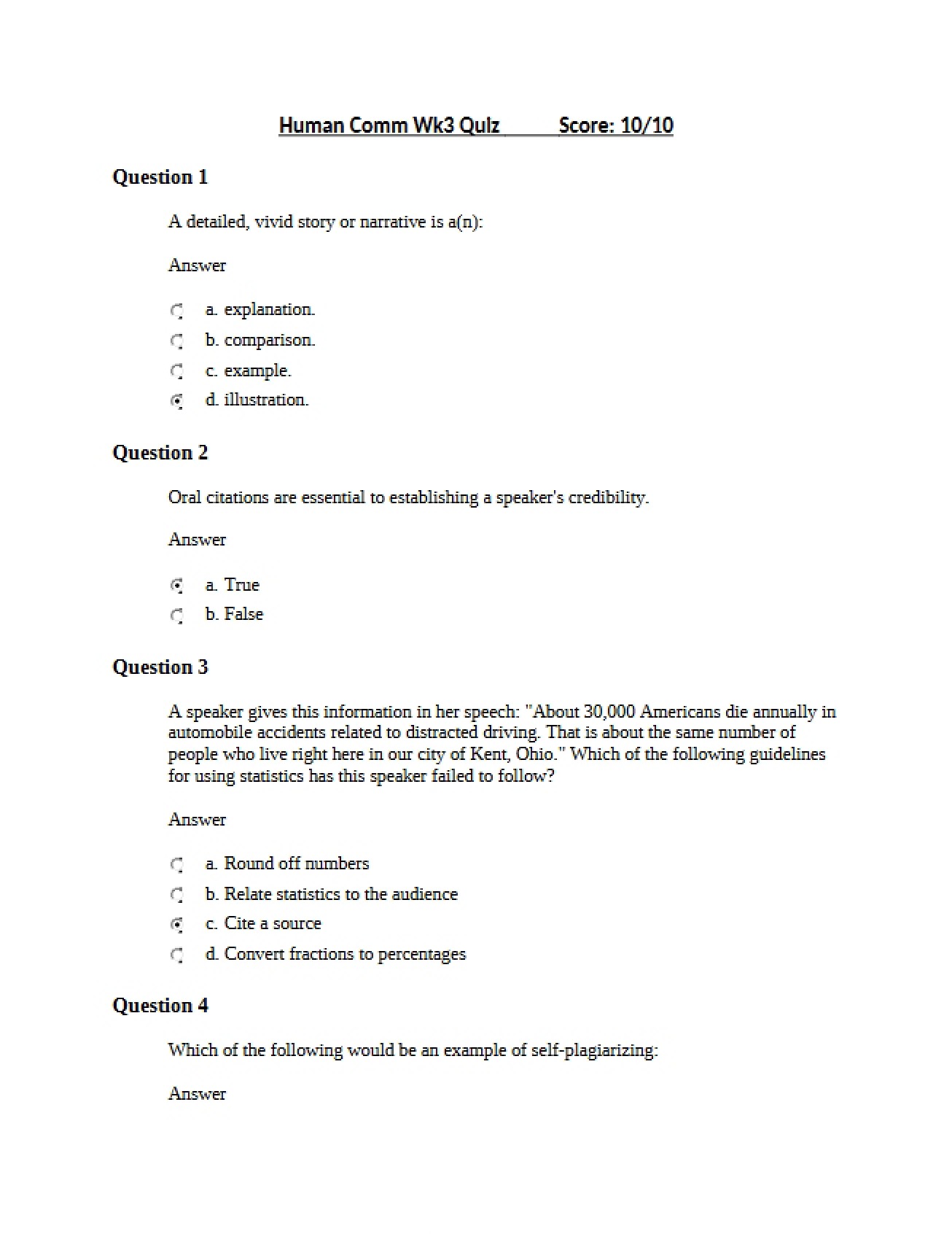
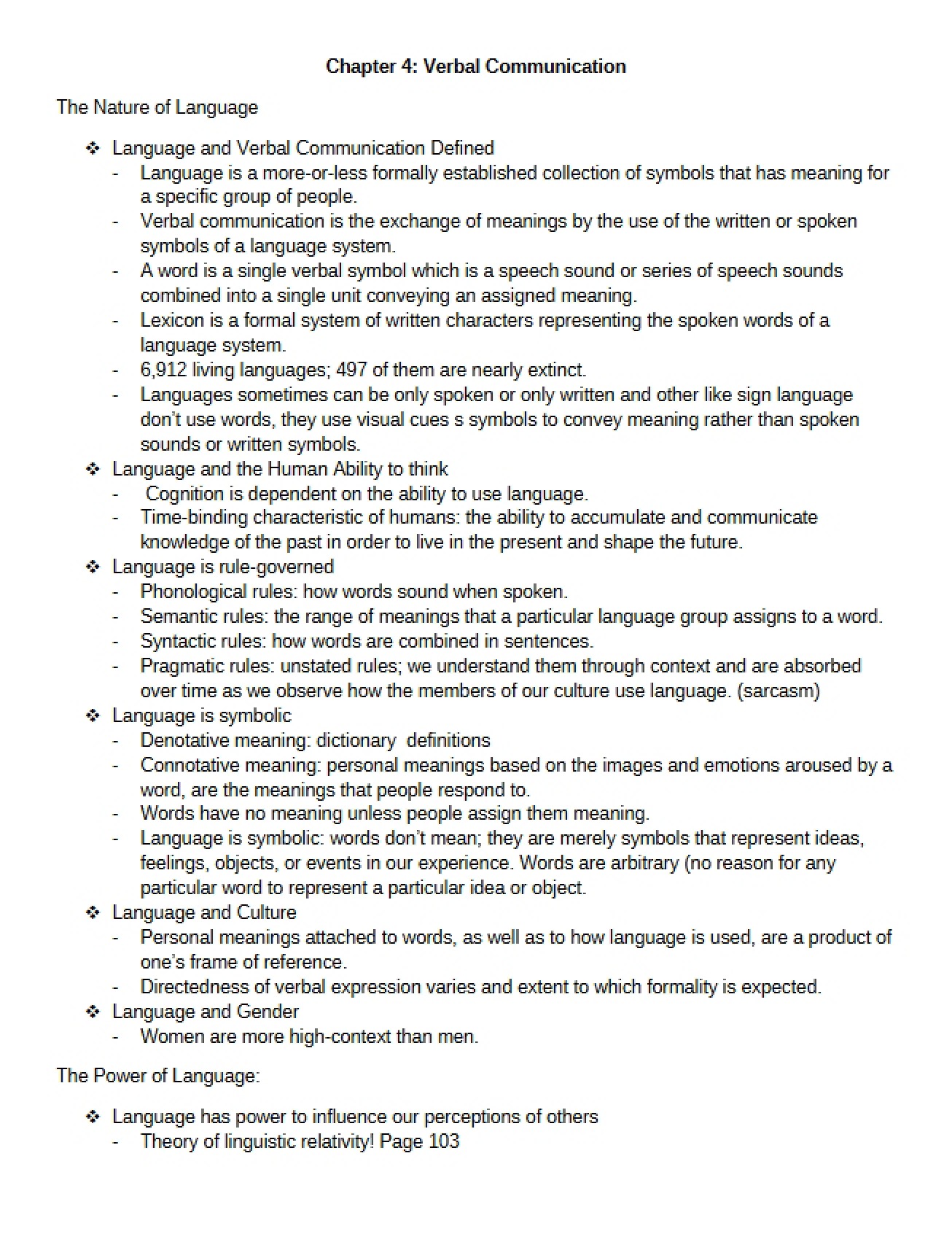
What This Document Is
These are lecture notes from an Introduction to Human Communication course (COMM 15000) at Kent State University. The notes cover foundational concepts in the field, exploring the nature of communication itself, its core components, and different models used to understand how communication functions. It begins by outlining the benefits of studying communication – both personally and professionally – and then moves into the theoretical underpinnings of the discipline.
Why This Document Matters
This document is valuable for students enrolled in introductory communication courses, particularly those at Kent State University. It serves as a concise review of key lecture material, helping students grasp fundamental concepts before diving into more complex topics. It’s useful for clarifying in-class discussions, preparing for quizzes, and building a strong base understanding of communication principles. Anyone interested in a high-level overview of communication theory will also find this a helpful starting point.
Common Limitations or Challenges
These notes are a *supplement* to lectures and readings, not a replacement. They provide an overview but lack the depth of analysis and extended examples found in a textbook or complete course materials. The notes do not offer practice exercises, detailed case studies, or in-depth explorations of specific communication contexts.
What This Document Provides
This document includes:
* An overview of the benefits of studying human communication.
* A definition of communication as a meaning-generating process.
* Identification of the core components of communication: source, receiver, message, channel, and feedback.
* Explanations of the encoding and decoding processes.
* A discussion of “noise” as interference in communication.
* Descriptions of three models of communication: the Action Model, the Interaction Model, and the Transaction Model.
* An introduction to the role of perception in communication.
This preview *does not* include detailed examples of each model, specific strategies for overcoming communication barriers, or a comprehensive exploration of different communication contexts (e.g., interpersonal, group, public).