What This Document Is
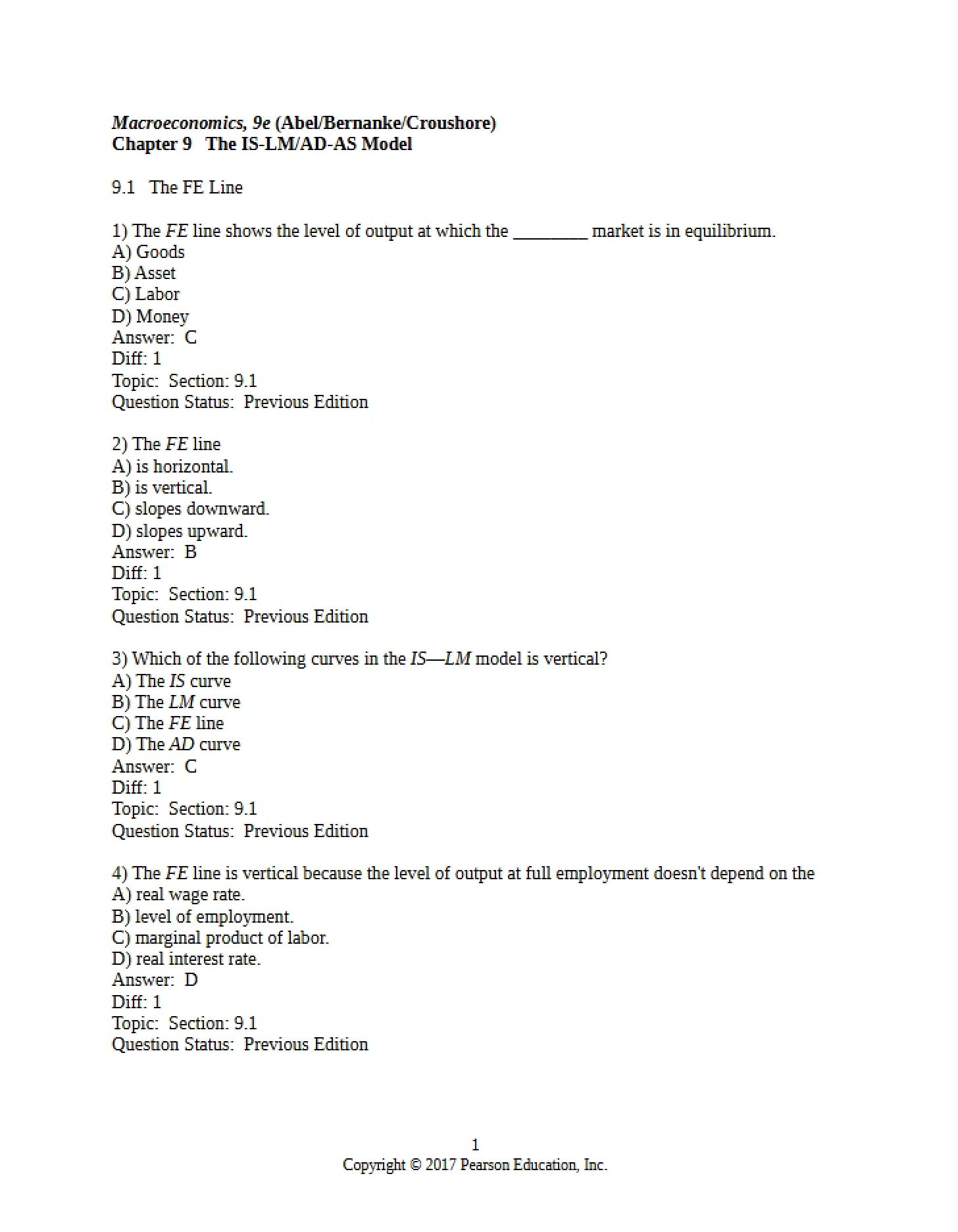
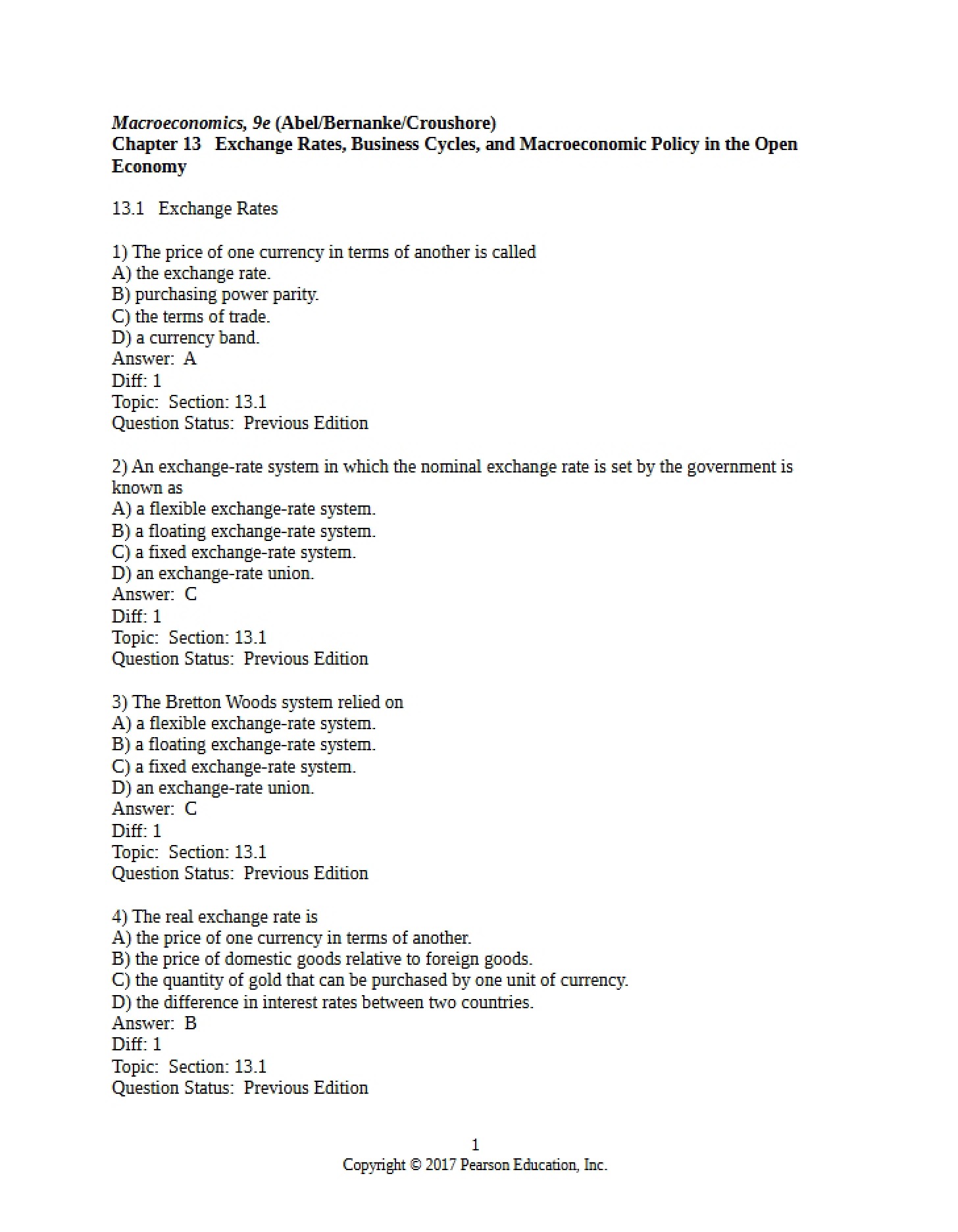
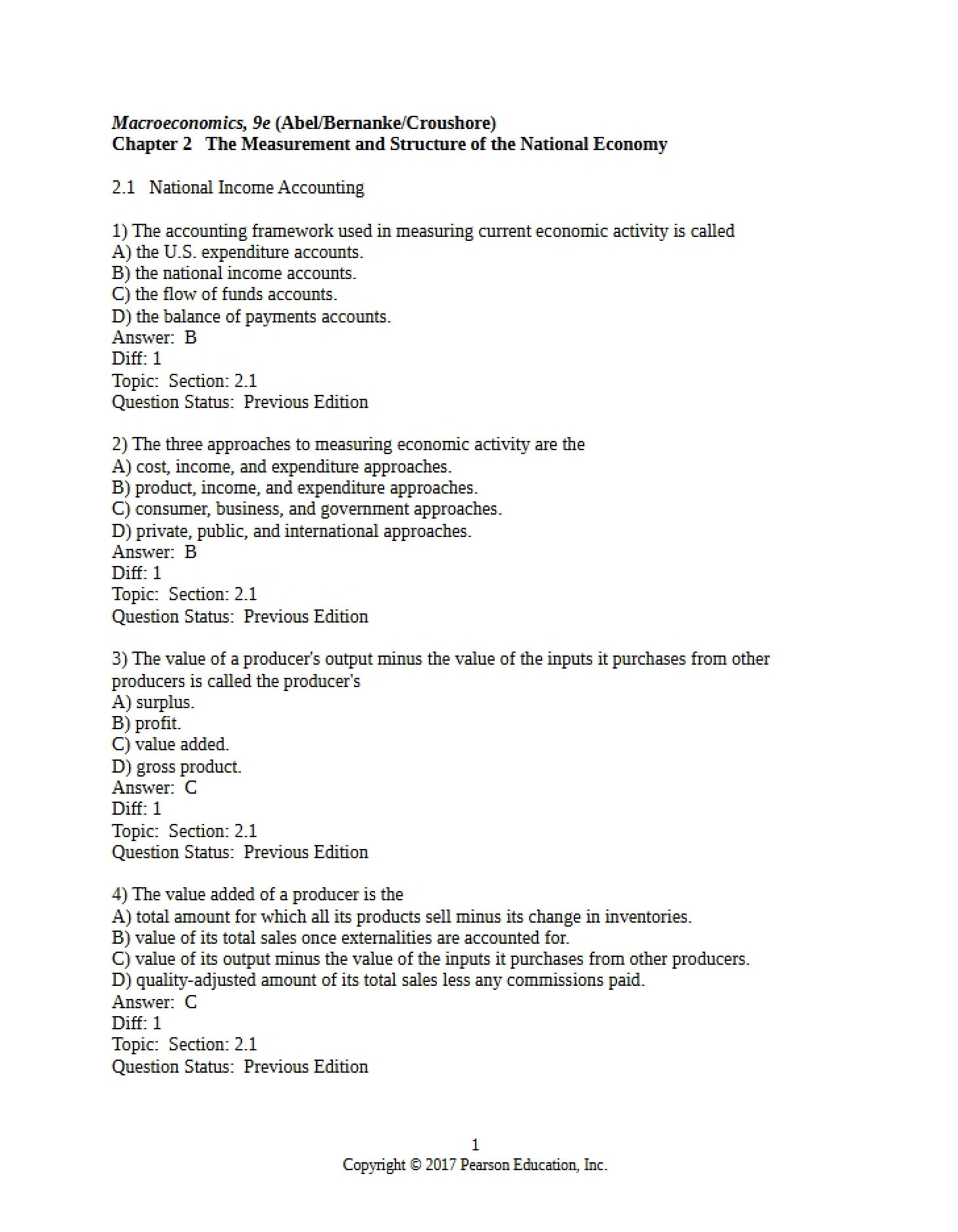
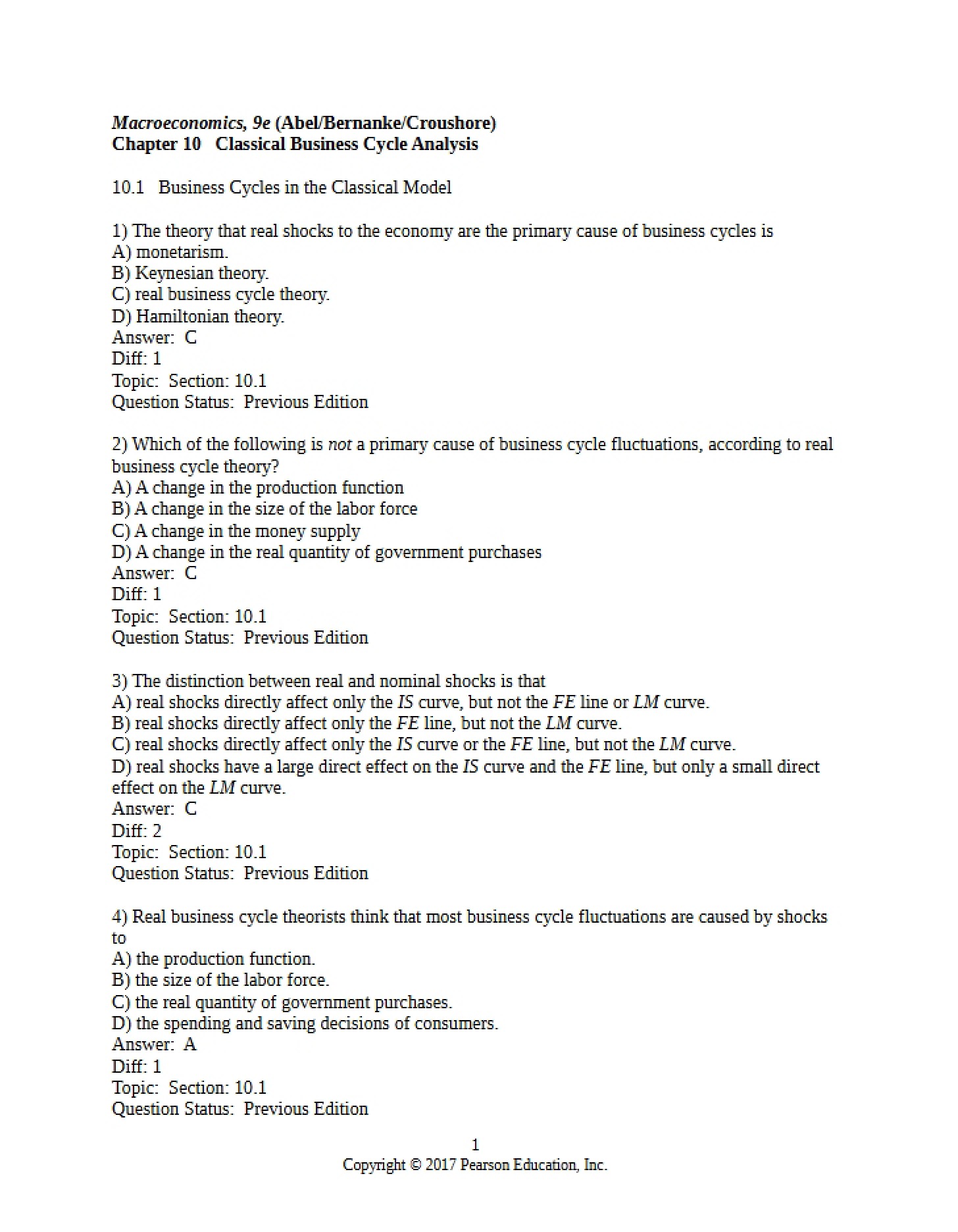
This document is a focused study resource designed to help students prepare for assessments within the BUAD 351: Economic Analysis for Business Decisions course at the University of Southern California. Specifically, it covers core principles related to investment, saving, and consumption – fundamental concepts in macroeconomic analysis. It takes the form of practice questions, mirroring the style and difficulty level of questions you might encounter on quizzes and exams. The material is drawn from Chapter 4 of the course textbook.
Why This Document Matters
This resource is invaluable for students aiming to solidify their understanding of how individual and national economic behaviors influence overall economic performance. It’s particularly useful for students who learn best by testing their knowledge and identifying areas where further review is needed. Use this document as part of your regular study routine, especially when preparing for exams or needing to quickly assess your grasp of key concepts related to consumer choices, wealth effects, and the factors driving saving and investment decisions. It’s designed to help you apply theoretical knowledge to practical scenarios.
Common Limitations or Challenges
This document does *not* provide comprehensive lecture notes or a re-explanation of all course material. It assumes you have already engaged with the assigned readings and lectures. It focuses solely on evaluating your understanding through targeted questions. It will not provide detailed explanations of *why* certain answers are correct or incorrect – that requires access to the full solution set. Furthermore, it doesn’t cover topics outside the scope of Chapter 4’s focus on consumption, saving, and investment.
What This Document Provides
* A series of multiple-choice questions designed to test your understanding of key concepts.
* Questions covering topics such as the marginal propensity to consume, consumption smoothing, and the relationship between income, saving, and consumption.
* Questions exploring the impact of wealth changes and expectations about future economic conditions on current economic decisions.
* Questions relating to the effectiveness of using consumer confidence as a forecasting tool.
* An indication of the difficulty level and topic area for each question.