What This Document Is
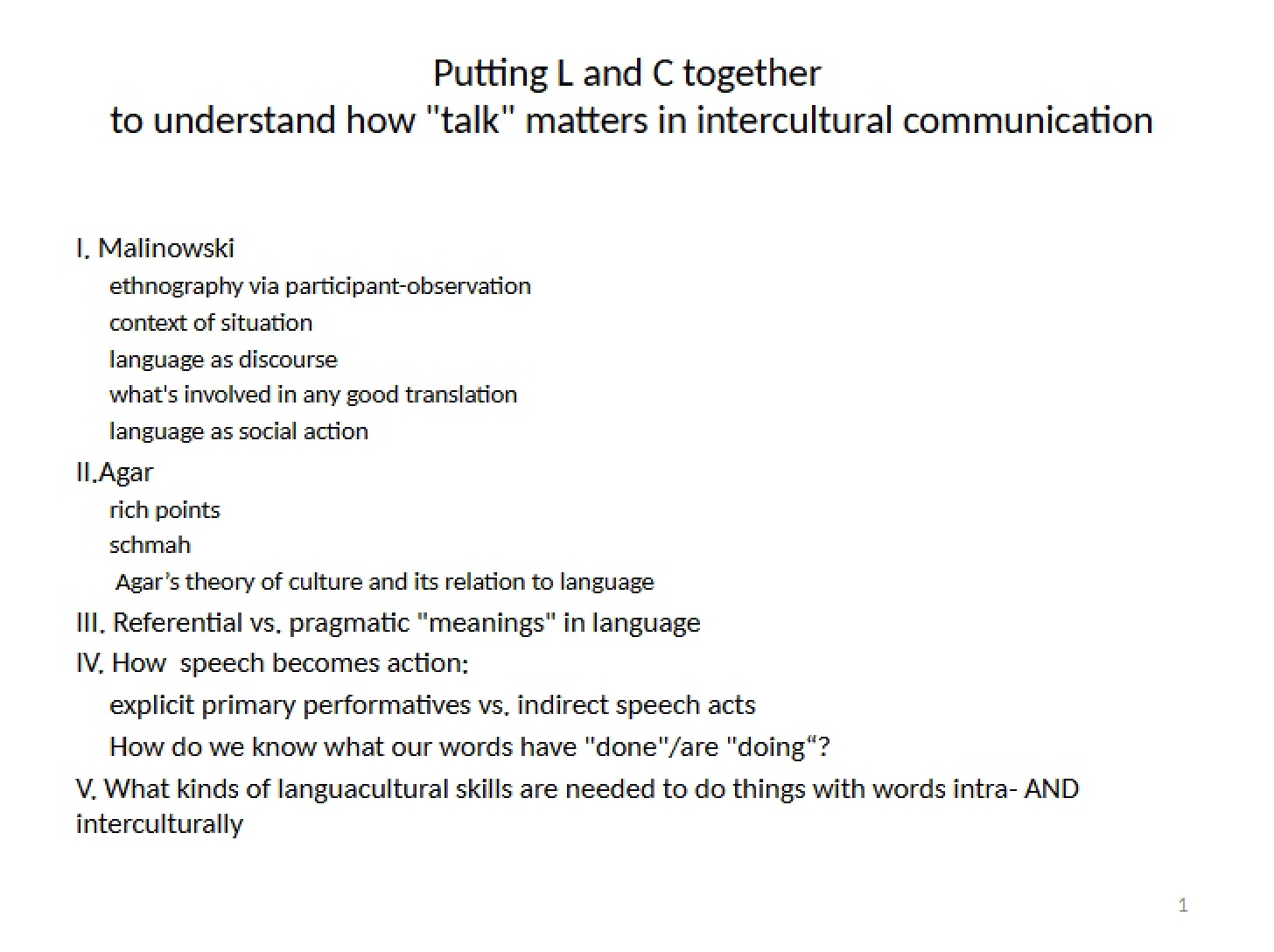
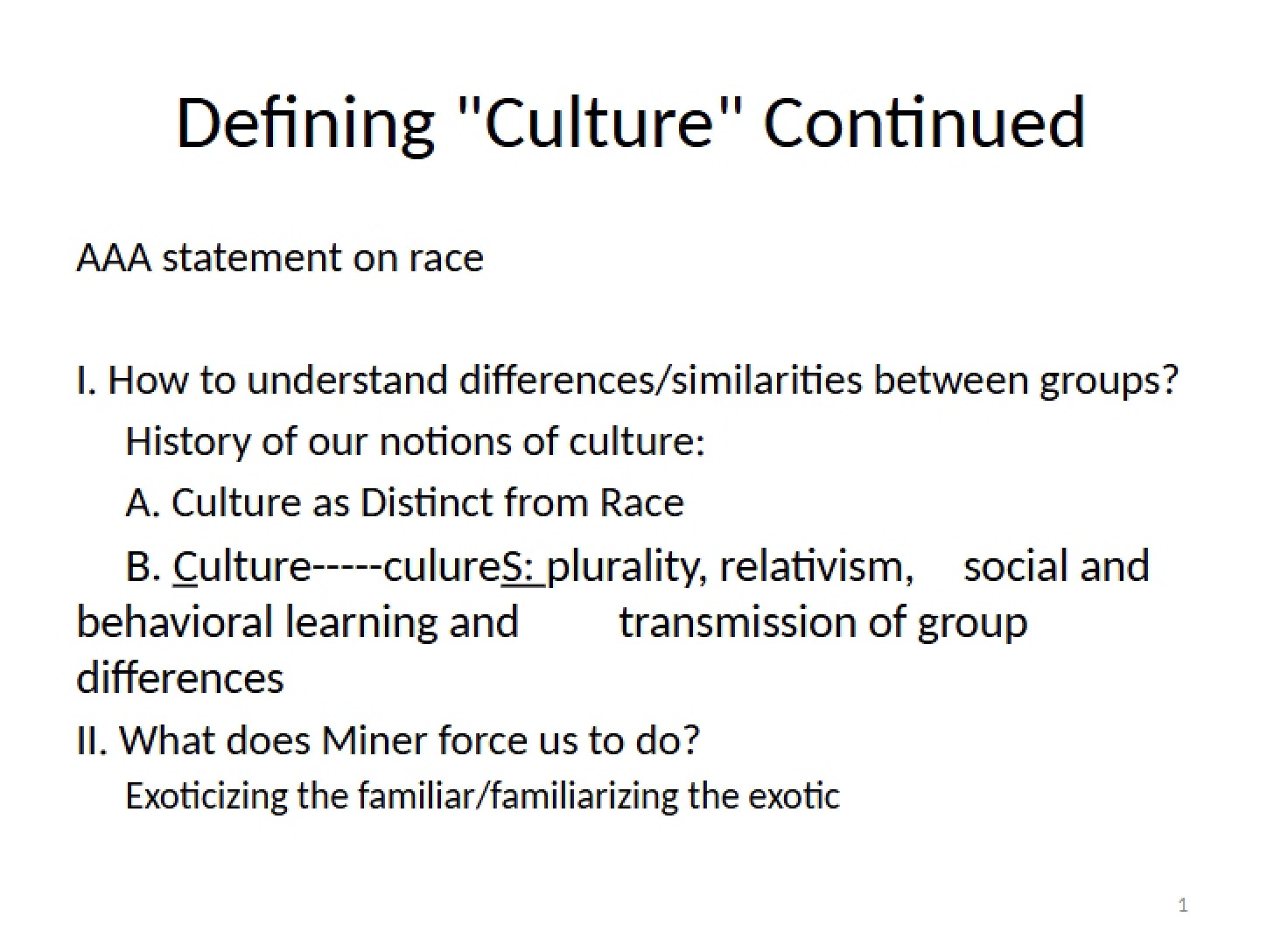
This resource is a focused exploration of the relationship between language and culture, specifically within the field of intercultural communication. It delves into foundational theories and historical perspectives on how linguistic structures might influence, and be influenced by, cultural thought patterns. It’s designed to build a strong theoretical base for understanding the complexities of cross-cultural interactions. The material builds toward practical application, but begins with core conceptual understanding.
Why This Document Matters
This is a valuable resource for students in introductory intercultural communication courses, or anyone seeking a deeper understanding of how language shapes our perceptions of the world. It’s particularly helpful when you’re beginning to grapple with the idea that communication isn’t simply about exchanging information, but about navigating fundamentally different ways of thinking. Use this to solidify your understanding of key theories *before* tackling more complex case studies or practical application exercises. It’s a strong foundation for further learning.
Topics Covered
* The evolution of thought regarding language and culture connections.
* Key figures in the field, and their contributions to understanding linguistic relativity.
* Exploration of how different languages categorize and represent reality.
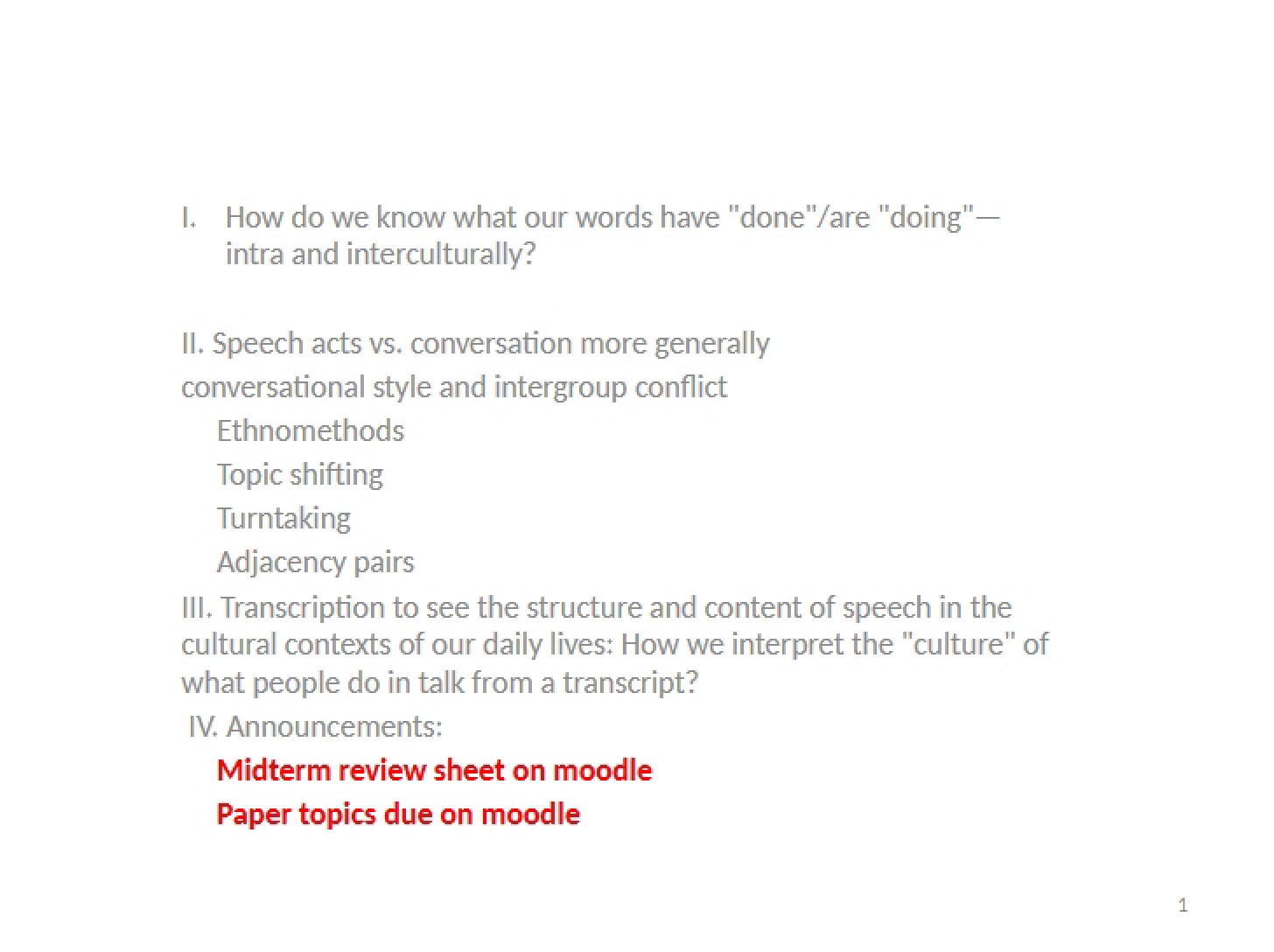
* The challenges and limitations of relying solely on interpreters in intercultural settings.
* Consideration of the potential impact of grammatical structures on cognitive processes.
* Practical exercises designed to stimulate reflection on linguistic differences.
What This Document Provides
* An overview of influential theories concerning the connection between language and culture.
* Historical context for the development of these theories.
* Illustrative examples used to demonstrate theoretical concepts.
* Points for consideration regarding the practical implications of linguistic relativity.
* Opportunities for self-reflection through in-class exercises.
* References to further resources for continued study.